







Why Your Muscles Need a Break
Intense exercise is fundamentally a process of stress and repair. When you lift weights or push your cardio limits, you create microscopic tears in your muscle fibers. This might sound counterintuitive, but it's this very damage that signals the body
to rebuild the muscles stronger than before. This strengthening process, called muscle protein synthesis, doesn't happen while you're mid-sprint; it happens when you rest. Taking a day off from strenuous activity allows your body to focus its energy on this crucial repair work. It also gives you time to replenish your muscle's primary fuel source, glycogen, which gets depleted during workouts. Without this downtime, you're not just short-changing your gains—you're increasing your risk of injury.
The Case for Active Recovery
A rest day doesn’t have to mean a full day on the sofa. While completely passive rest has its place, many experts champion 'active recovery'—performing low-intensity activities on your days off. The goal is to get your blood flowing without putting significant strain on your recovering muscles. This increased circulation can help deliver oxygen and nutrients needed for repair and may help clear out metabolic byproducts that contribute to soreness. Studies have shown that active recovery can be more effective at reducing muscle soreness than doing nothing at all. Think of it as a gentle nudge to your body's natural healing processes, helping you feel refreshed and ready for your next hard session.
What Counts as Gentle Movement?
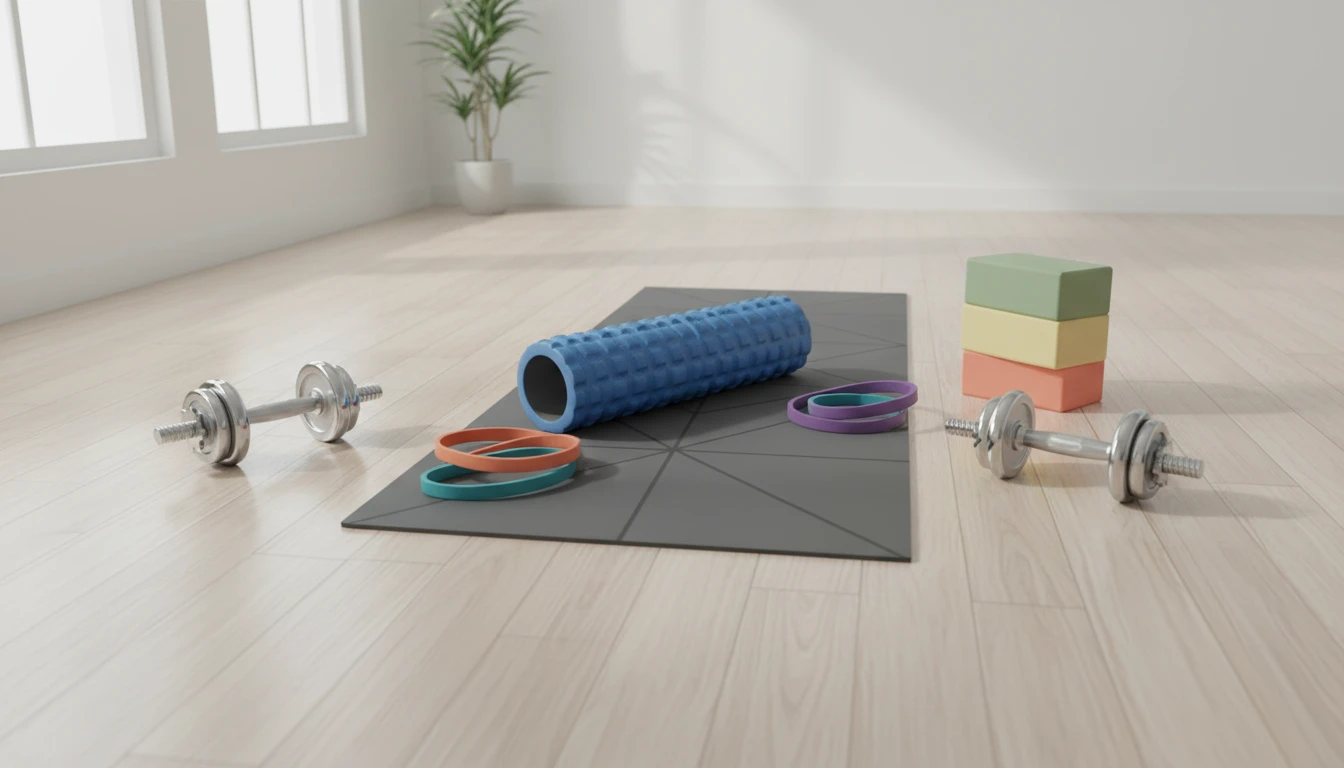
The key to active recovery is keeping the intensity low. A good rule of thumb is the 'talk test': you should be able to hold a full conversation without getting breathless during the activity. Your heart rate should remain low, roughly 30-60% of your maximum. Excellent choices for active recovery include a leisurely walk or hike, a casual bike ride, swimming, light jogging, or restorative yoga. Dynamic stretching and foam rolling are also fantastic options that specifically target tight muscles and can improve flexibility and range of motion. The idea is to move your body in a way that feels good and restorative, not punishing.
Designing Your Perfect Rest Day
Planning a rest day is just as important as planning your workouts. Start by scheduling them strategically, often after your most intense training sessions. A productive rest day is about more than just light exercise. Prioritise getting eight hours of quality sleep, as this is when your body releases growth hormones that are vital for muscle repair. Fuel your recovery with a balanced intake of protein to help rebuild muscle tissue and carbohydrates to restock your glycogen stores. Don't forget to hydrate, as water is essential for nearly every metabolic function, including muscle repair. Finally, use the day as a mental break from the pressures of training. This holistic approach ensures both your body and mind are fully recharged.
Listen to Your Body's Signals
Ultimately, the best recovery plan is one that's tailored to you. It's crucial to learn to listen to your body. Signs of overtraining syndrome include persistent muscle soreness that doesn't go away, constant fatigue, trouble sleeping, and a decline in your workout performance. You might also feel more irritable or notice you're getting sick more often. If you're experiencing these symptoms, you may need more than just a single day of active recovery; you might benefit from a few days of complete, passive rest. Don't feel guilty about taking extra time off when needed. True strength is built by balancing stress with smart, attentive recovery.