





What 'Peak Season' Really Means
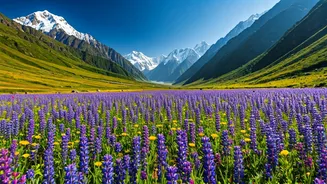
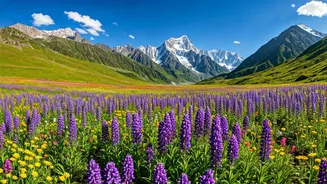
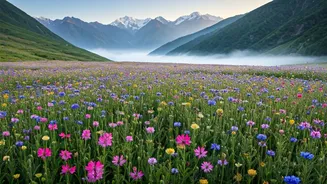
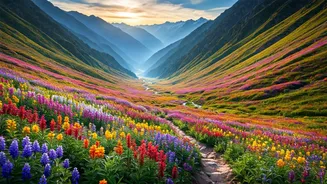
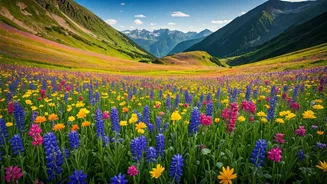
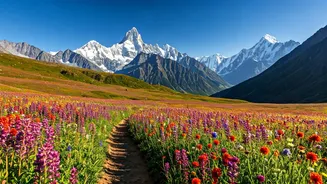
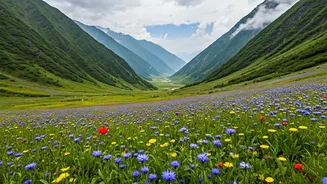
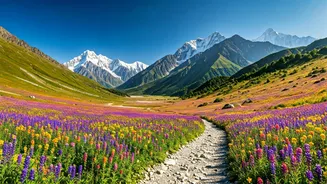
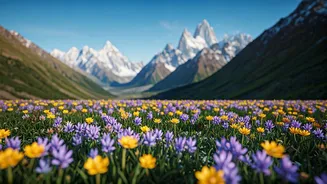
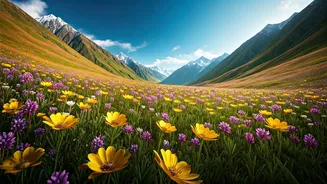
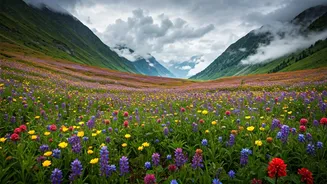
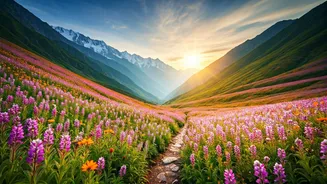
The Valley of Flowers officially opened for 2026 on June 1st, but the real magic begins now. From mid-July through August, the monsoon rains trigger a breathtaking explosion of wildflowers. This is the “peak season,” when over 600 species of alpine flowers bloom
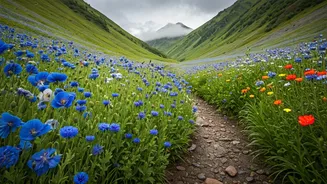
in unison, creating a landscape that shifts in colour from week to week. Expect to see meadows painted with Himalayan Blue Poppies, Primulas, Orchids, Marigolds, and Daisies. The famed and rare Brahma Kamal also makes its appearance during this time, typically at higher altitudes. For photographers and nature lovers, this period offers the most diverse and vibrant floral display of the year.
Your Journey to a Floral Paradise
Reaching the Valley of Flowers is an adventure in itself. The journey begins with a road trip to Govindghat in Uttarakhand's Chamoli district. The nearest airport is Jolly Grant in Dehradun, and the closest major railway station is in Rishikesh. From these points, it's a long drive (around 10-12 hours from Rishikesh) to Govindghat. From Govindghat, a short drive takes you to Pulna, the last motorable point. This is where the trek begins. A 9-10 km trail leads to the village of Ghangaria, which serves as the base camp for the valley. The village offers basic guesthouses and is the mandatory halt, as overnight stays are prohibited inside the national park itself.
A Guide for the Moderate Trek
The trek is considered moderate in difficulty, making it accessible for beginners with a reasonable level of fitness. The path from Pulna to Ghangaria is a gradual ascent on a well-laid stone path along the Pushpawati River. The final trek from Ghangaria into the Valley of Flowers is about 3-4 km one-way. It's crucial to be prepared for monsoon conditions. Waterproof trekking boots with good grip, a reliable rain jacket, and trekking poles are essential. The park has strict timings, typically opening at 7 AM and requiring all visitors to exit by 5 PM. Entry permits must be obtained at the forest department checkpoint in Ghangaria.
Beyond the Blooms: What to Expect
While the flowers are the main attraction, the experience is enriched by the surrounding landscape. The valley is cradled by snow-capped peaks like Neelkanth and Hathi Parvat. Cascading waterfalls and gurgling streams crisscross the meadows, brought to life by the monsoon rains. The trek also offers a chance to visit Hemkund Sahib, one of the highest Sikh pilgrimage sites in the world. Situated near a glacial lake at an altitude of over 4,300 metres, the trail to the gurudwara is a more challenging but deeply rewarding extension from the Ghangaria base camp. This combination of natural splendour and spiritual significance makes the journey a holistic Himalayan experience.
Essential Tips for Planning Your Visit
Given that July and August are the most popular months, it is highly advisable to book accommodation in Ghangaria well in advance, as options are limited. Mobile connectivity is weak to non-existent beyond Joshimath, so prepare to be disconnected. Always carry cash, as ATMs are scarce in these remote areas. Pack in layers, as the mountain weather can change rapidly. Most importantly, respect the fragile ecosystem. The Valley of Flowers is a protected area; picking flowers or leaving behind any litter is strictly prohibited and enforced. A local guide can enhance the experience by pointing out rare species and sharing local lore.