


The Rise of Noctourism
First, let’s define the term that’s captivating adventurous travelers: noctourism. Simply put, it’s tourism centered on the night. But this is more than just bar-hopping after sundown. Noctourism is about experiencing a destination’s unique nocturnal
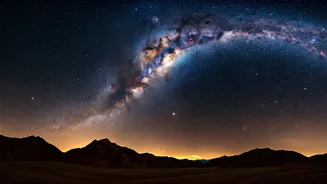
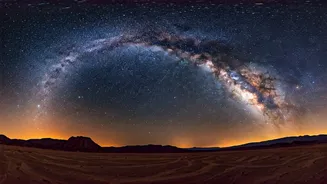
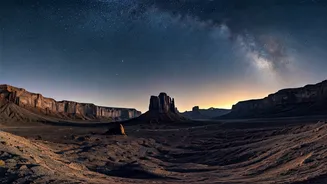
environment, and its main event is often the sky itself. In a world where 80% of Americans live under light-polluted skies, the chance to see the Milky Way arching overhead with the naked eye has become a profound and rare luxury. This isn't just about stargazing; it’s about reconnecting with a primal wonder that our ancestors knew intimately but modern life has obscured. It’s a quiet, contemplative form of travel that trades bustling city tours for the silent majesty of the cosmos.
Why Ladakh Is a Stargazer’s Paradise
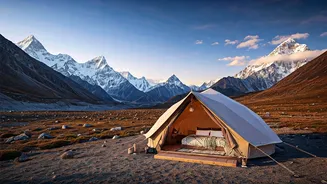
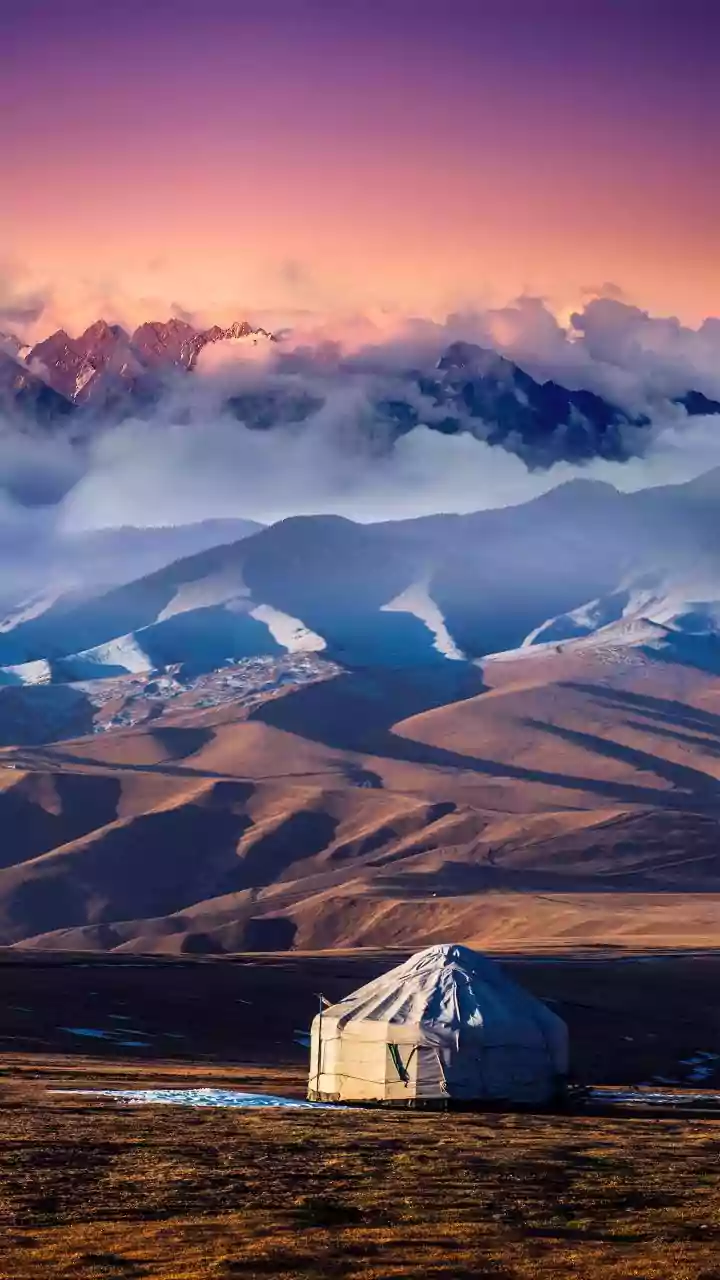
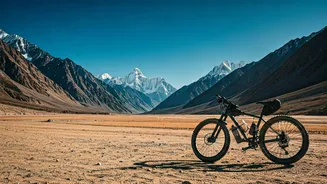
Nestled high in the Indian Himalayas, Ladakh is a cold, high-altitude desert often called the “Land of High Passes.” Its remote location and sparse population have long made it a haven for those seeking solitude and dramatic landscapes. But it’s the region’s atmospheric conditions that make it a world-class destination for astronomy. The combination of extreme altitude (most of the region is above 10,000 feet), incredibly dry air, and minimal light pollution creates an atmospheric clarity that is almost unrivaled. The stars here don't just twinkle; they burn with a steady, brilliant intensity. Recognizing this unique asset, the Indian government officially designated a vast area in Hanle, Ladakh, as India's first Dark Sky Reserve in 2022. This designation protects the region from future light pollution, cementing its status as a sanctuary for the stars and those who wish to see them.
What a Ladakh Stargazing Trip Involves
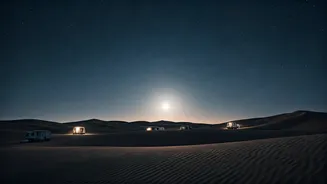
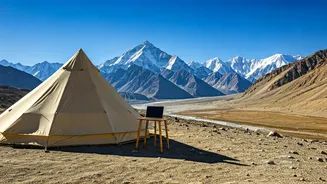
A noctourism trip to Ladakh is a far cry from your typical vacation. While daytime hours are perfect for exploring ancient Buddhist monasteries, breathtaking mountain lakes, and the unique Ladakhi culture, the real magic begins after sunset. Local tour operators now offer specialized experiences, from guided stargazing sessions with powerful telescopes to astrophotography workshops where you can learn to capture the galactic core above a 14th-century monastery. The experience is deeply immersive. Imagine sipping warm butter tea under a blanket of stars so dense it feels like you could reach out and touch them, as a local guide points out constellations and shares celestial folklore passed down through generations. It connects travelers not just to the universe, but to the culture that has thrived under these very skies for centuries.
Practical Tips for Your Himalayan Escape
While the idea is romantic, a trip to Ladakh requires practical planning. The best time to visit for clear skies and accessible roads is during the summer months, from June to September—a perfect counterpoint to the sweltering heat back home. The gateway to the region is Leh, which is accessible via a short but spectacular flight from New Delhi. The single most important factor for a successful trip is acclimatization. Arriving in Leh (altitude: 11,500 feet) from sea level is a shock to the body. Plan to spend at least two to three full days in Leh resting, hydrating, and taking short walks before venturing to even higher altitudes like Hanle. This isn't a suggestion; it's a necessity to avoid acute mountain sickness. Booking with a reputable local guide or tour company is highly recommended, as they can handle logistics, permits, and ensure you have the best (and safest) experience.