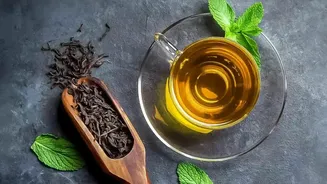




The Foundation: Pure Peppermint Tea
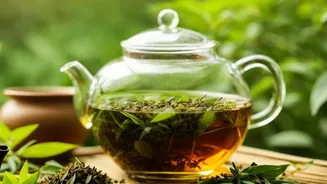
Before adding spices, it's worth appreciating peppermint tea on its own. Valued for centuries, this herbal infusion is known for its ability to aid digestion, ease bloating, and relieve tension headaches. The active compound, menthol, provides its signature
cooling sensation and acts as a muscle relaxant. It's naturally caffeine-free, making it a perfect choice for any time of day, whether you need a morning refresh, an afternoon pick-me-up, or a way to unwind before bed. Its strong, clean flavour provides a versatile base for a variety of spices that can complement its profile while adding their own unique benefits.
1. Warming Ginger and Lemon
This is a classic wellness combination, and for good reason. The spicy heat of ginger is a perfect counterpoint to the cooling freshness of peppermint. Together, they create a potent brew that warms you from the inside out. Ginger is widely celebrated for its ability to combat nausea and soothe an upset stomach, making this blend a powerhouse for digestive comfort. A squeeze of fresh lemon juice not only adds a bright, zesty note that cuts through the richness but also provides a welcome boost of Vitamin C. To prepare, simply add a few thin slices of fresh ginger to your water as it boils, then pour over your peppermint tea bag or leaves and let it steep.
2. Sweet Cinnamon and Clove
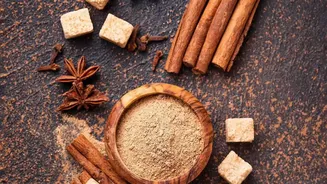
For a blend that feels like a warm hug in a mug, look no further than cinnamon and clove. These two spices bring a sweet, aromatic warmth that is both comforting and festive. Cinnamon is known for its anti-inflammatory properties and may help regulate blood sugar levels. Cloves add a pungent, slightly peppery sweetness and have their own antimicrobial properties. The combination of mint and these sweet spices creates a complex flavour reminiscent of holiday treats but grounded in wellness. Simply add a cinnamon stick and two or three whole cloves to your teapot or mug when you steep your peppermint tea. The result is a fragrant, soothing, and deeply satisfying drink.
3. Aromatic Cardamom and Fennel
If you enjoy nuanced, aromatic flavours, this blend is for you. Cardamom offers a complex profile that is simultaneously sweet, floral, and spicy. It is often used in Ayurvedic traditions to aid digestion and freshen breath. Fennel seeds contribute a gentle, licorice-like sweetness that complements the sharp notes of peppermint beautifully. This combination is particularly effective after a large meal, as all three ingredients are known to help settle the stomach and reduce gas or bloating. For the best flavour, lightly crush a few green cardamom pods and a half-teaspoon of fennel seeds before adding them to your steep.
4. Exotic Star Anise
While sometimes confused with fennel, star anise has a more potent and distinct licorice-like flavour. Its warm, spicy-sweet notes can stand up to peppermint's bold character, creating a rich and intriguing blend. In traditional Chinese medicine, star anise is often used in warming broths during colder months. It pairs well with cinnamon and ginger, but can also shine on its own with peppermint. Be mindful that its flavour is strong; one whole star anise pod is usually enough for a pot of tea. It’s important to use whole pods for a clearer, less bitter infusion and to ensure you are using culinary-grade Chinese star anise.
5. Floral Rose and Lavender
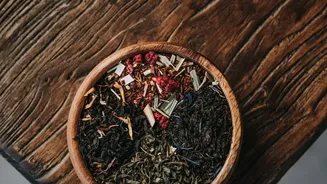
For a more delicate and calming experience, consider blending peppermint with floral notes. Lavender, which is actually part of the mint family, brings a soothing, herbal fragrance that promotes relaxation. Rose petals add a subtle, sweet perfume that elevates the tea into a truly elegant beverage. The key with floral blends is balance; too much lavender can taste soapy, and too much rose can be overpowering. Start with a small pinch of dried, food-grade lavender buds and a few rose petals. This combination creates a smooth, flowery infusion that calms the senses and is perfect for a relaxing evening ritual.