








More Than Names and Dates
A family tree tells you who is related, but it doesn't tell you about your grandmother's favourite childhood game or the smell of your great-grandfather's workshop. These interviews are about capturing the texture of life. They provide a sense of identity
and continuity, helping younger generations understand where they come from. Research has even shown that children who know more about their family's history have higher self-esteem and resilience. When you listen to these stories, you aren't just collecting facts; you are preserving a legacy of values, struggles, and joys that shaped who your family is today.
How to Ask and Set the Scene
Starting the conversation can feel daunting, but it doesn't have to be. Approach your relative with warmth and explain what you'd like to do. Say something simple like, “I would love to hear some stories about your life and our family, and maybe record them so we don't lose them.” Ask for their permission to record the conversation in advance. Choose a quiet, comfortable location with minimal distractions. The goal is a conversation, not an interrogation. Plan for about one to two hours, but be flexible; the best stories often emerge when the conversation is allowed to flow naturally.
The Art of the Open-Ended Question
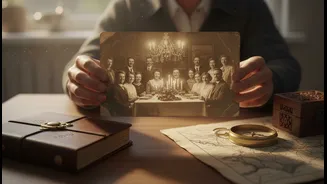
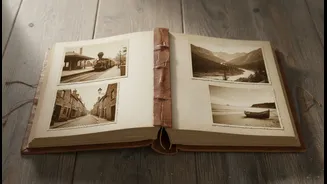
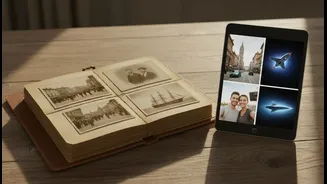
The key to a great interview is asking questions that invite stories, not just “yes” or “no” answers. Instead of “Was school hard?” try “What do you remember most about your school days?” Prepare a list of topics in advance, but be ready to follow interesting tangents. Group questions logically, perhaps by life stages: childhood, teenage years, and adulthood. Ask about sensory details: “What did the kitchen smell like on a holiday?” or “What songs were always on the radio?” Using old photographs or heirlooms can also be a wonderful way to jog memories and spark conversation.
Your Smartphone is Your Best Tool
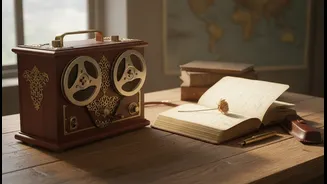
You don't need professional equipment. The voice memo app on your smartphone is a powerful and unobtrusive tool for recording audio. Before you start, do a quick test to make sure the microphone is picking up both of your voices clearly. Place the phone on a soft surface between you to reduce vibrations. Using an audio recorder allows you to focus on listening and making eye contact rather than frantically taking notes. The sound of your relative's voice—their laughter, their pauses, the way they phrase things—is a priceless part of the story you’re preserving.
Being a Good Listener
Your most important job as an interviewer is to listen. Show genuine interest and curiosity. Don't interrupt, even if a long pause occurs; people often need a moment to gather their thoughts before sharing something important. If they stray from your questions, let them. Some of the most precious details are found in these unexpected detours. Remember to be sensitive. If a topic seems uncomfortable, don't push it. Your role is to create a safe space for them to share what they are comfortable with.
What to Do After the Conversation
Once the interview is over, your work isn't quite done. Label the audio file immediately with the date and the person's name. Back it up in a safe place, like a cloud storage service or an external hard drive. You might consider transcribing the interview, or at least noting the key stories and times they appear in the recording. Most importantly, share it. Let other family members listen to the stories. This recording is a gift, not just for you, but for future generations who will get to hear the voice of an ancestor and understand their own history in a deeper, more personal way.