






What Exactly Was Discovered?
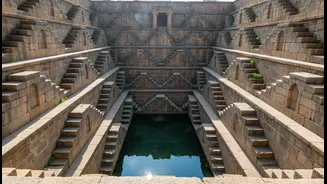
State archaeology department officials have unearthed a square-shaped brick stepwell at Karivalamvandanallur village near Tenkasi. Measuring four by four metres, the structure features stone steps leading down into the well. This is believed to be the first
brick stepwell from the early historic Sangam Age ever found in Tamil Nadu. The bricks used, measuring 40cm by 20cm, are consistent in size and style with those found at other major Sangam Age sites like Keeladi and Alagankulam, reinforcing its potential age and significance. Excavators note that the walls were built with an interlocking pattern for strength, using clay as a binding agent. The presence of water stains on the inner walls suggests the water table was once high, and wear on the stone steps indicates it was in use for a long period.
A Glimpse into Sangam Age Ingenuity
This isn't just any old well. Archaeologists suggest the structure dates back to the Sangam Age, making it a contemporary of other major finds that have reshaped our understanding of early Tamil civilization. K. Rajan, an advisor to the state archaeology department, highlights that the find speaks volumes about the water management systems of our ancestors. The stepwell was strategically built on a paleochannel (an old, inactive river bed) to serve as a reliable water source, especially during dry months. This location also holds historical significance as a known trade route from Madurai to the west coast, where Roman gold coins were discovered back in the 1930s, hinting at a bustling, interconnected ancient world.
More Than Just Water: The Culture of Stepwells
Stepwells, known as 'nadai kinaru' in Tamil, are a unique feature of Indian architecture, designed to cope with seasonal water fluctuations. Unlike simple wells, their steps make accessing groundwater easier and safer for the community. These structures were more than utilitarian; they were often social and cultural hubs. The architectural style evolved over centuries, with some becoming multi-storeyed and ornately decorated, serving as community gathering spots and even religious sites. While most famously associated with western India, this discovery confirms their deep-rooted, if less common, presence in the south. The concept of a 'kinaru' (well) as a community focal point is deeply embedded in Tamil culture, with many places named after these vital water sources.
Connecting the Dots of Pandya History
The Tenkasi region was a heartland of the Pandya dynasty, a powerful Tamil kingdom known for its patronage of art, architecture, and literature. Discoveries in this area often provide crucial links to this celebrated past. While this stepwell predates the later Pandya kings like Maravarman Sundara Pandyan, its existence in this region lays the groundwork for the sophisticated infrastructure they would later build upon. Inscriptions from the Pandya era, often written in the Vatteluttu script, are frequently found on temples and rock surfaces in the region, providing detailed records of royal decrees, land grants, and daily life. Each new find, like this well, adds another piece to the puzzle of how these ancient societies were organized, how they managed their resources, and what they valued.