








Preparation is Everything
A smooth journey begins long before you leave home. Start with a visit to your veterinarian to ensure your pet is healthy enough for travel and that all vaccinations are current. This is the time to get a health certificate if needed, especially for air
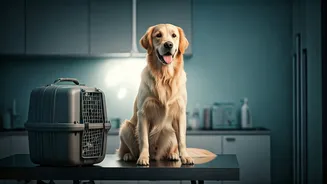
travel or crossing international borders. In India, this often includes having a microchip, a rabies vaccination certificate, and a No Objection Certificate (NOC) from the Animal Quarantine and Certification Station (AQCS). Acclimatise your pet to its carrier or crate well in advance. Let them explore it at home, making it a safe and positive space by placing treats, toys, or a familiar blanket inside. For car journeys, take your pet on short, gradually longer drives to get them used to the motion. This practice helps reduce anxiety when the actual travel day arrives.
Safety First, Always
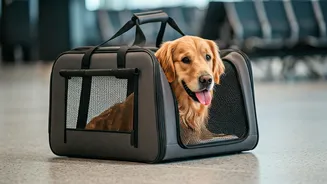
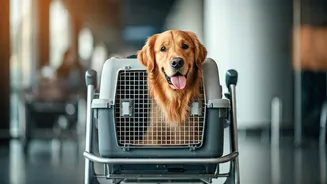
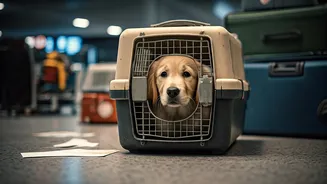
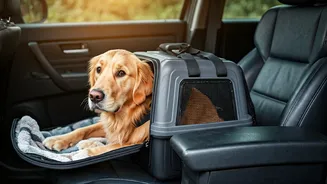
Ensuring your pet's physical safety during transit is non-negotiable. When travelling by car, the safest method is to use a secured, well-ventilated crate or a crash-tested pet seatbelt harness. Never allow your pet to roam freely in the vehicle or hang its head out the window, as this can lead to serious injury. For air travel, use a sturdy, airline-approved carrier that is large enough for your pet to stand, turn around, and lie down comfortably. Label the carrier clearly with your contact information. A crucial rule for any mode of transport is to never leave your pet unattended in a parked vehicle. Temperatures inside a car can become dangerously high or low in a very short amount of time, even with the windows slightly open.
Creating a Comfortable Environment
A comfortable pet is a calmer pet. Pack familiar items like their favourite blanket, bed, or a toy to give them a sense of security and a scent of home. During road trips, plan for frequent stops every two to three hours. This allows your pet to stretch, relieve themselves, and have some water. Maintaining hydration is crucial, so always have fresh water available in a portable bowl. To help prevent motion sickness, it's best to give your pet a light meal a few hours before you depart rather than right before leaving. Pay attention to the temperature and ensure there is good air circulation, whether in a car or a carrier.
The Virtue of Patience
Animals are highly attuned to their owner's emotions. If you are stressed and anxious, your pet will likely mirror those feelings. Try to remain calm and reassuring throughout the journey. Travel anxiety in pets is common and can manifest as whining, shaking, or restlessness. Sticking to your pet's regular routine for feeding and walks as much as possible can provide a sense of stability. If you know your pet is prone to severe anxiety, consult your veterinarian well in advance. They may suggest calming supplements or other strategies. However, you should generally avoid sedating your pet for air travel unless specifically prescribed by a vet, as it can interfere with their ability to regulate breathing and temperature at high altitudes. Positive reinforcement, like offering praise or a treat for calm behaviour, can also help your pet build a better association with travel.
Navigating Different Travel Modes
Each mode of transport comes with its own set of rules. Car travel offers the most flexibility, allowing you to control the environment and take breaks as needed. Air travel is more restrictive, with strict rules from airlines and countries regarding carriers, documentation, and whether pets can fly in the cabin or as cargo. In India, very few international flights allow pets in the cabin, so be prepared for your pet to travel in the cargo hold. Train travel policies vary; for instance, some railways in India may allow pets in first-class compartments under specific conditions, which must be verified beforehand. Always research the specific requirements of the airline or railway you plan to use.