




From Sacred Offerings to Culinary Pilgrimages
For centuries, food has been central to Indian festivals, but its role was often rooted in devotion. Prasad, or blessed food, was first offered to deities before being shared among devotees. While this tradition continues, a significant shift is underway.
Festivals have evolved into grand culinary showcases, attracting people not just for prayer, but for a gastronomic adventure. This transformation sees ancient traditions blending with modern foodie culture. The kitchen, once a private space for preparing sacred meals, has spilled out onto the streets, with festival grounds turning into sprawling open-air food courts. This trend isn't just about eating; it's about experiencing a region's culture through its flavours, turning a religious event into a culinary pilgrimage for people of all backgrounds.
Kolkata's Durga Puja: A Pandal Hopper's Paradise
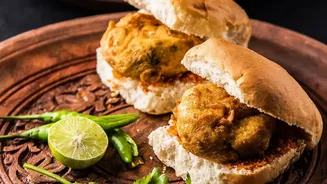
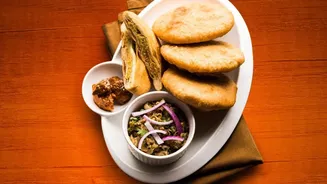
Nowhere is this trend more visible than during Durga Puja in Kolkata. While the elaborate pandals are the main draw, the food stalls surrounding them have become an equally important part of the experience. The city transforms into a massive street food festival where you can find everything from iconic Kolkata rolls and puchkas to full-fledged Bengali meals. Traditional bhog, a community lunch of khichuri and labra, is served at most pandals, but the commercial food stalls are where the real action is. You can find everything from batter-fried fish and Mughlai parathas to Kolkata-style chowmein and biryani, reflecting the city's diverse culinary history. For many, pandal hopping is as much a food trail as it is a spiritual one.
Ramadan Nights: A Feast After the Fast
During the holy month of Ramadan, evenings in cities like Delhi, Hyderabad, Mumbai, and Bengaluru come alive with Iftar food walks. Streets around major mosques, such as Jama Masjid in Delhi and Charminar in Hyderabad, transform into bustling food markets after sunset. These areas become a haven for food lovers seeking slow-cooked delicacies like haleem, succulent kebabs, and rich desserts like phirni and shahi tukda. What was once a simple meal to break the day's fast has become a major culinary event, attracting crowds from all communities. In recent years, organised food walks and curated Iftar experiences have also gained popularity, guiding visitors through the best stalls and hidden gems.
The Onam Sadya: A Feast on a Banana Leaf
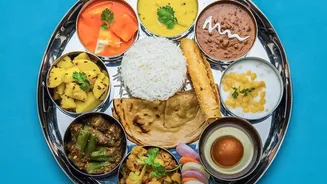
In Kerala, the harvest festival of Onam is celebrated with the Onam Sadya, a grand vegetarian feast featuring up to 30 different dishes served on a banana leaf. Traditionally a meal shared at home with family, the Sadya has now become a destination dining experience. Restaurants across India, and even globally, now offer elaborate Onam Sadya menus during the festival, drawing huge crowds. Hotels and community associations organize large-scale Sadya events that sell out well in advance. This has allowed people outside the Malayali community to experience this unique culinary tradition, turning the elaborate meal into a much-anticipated annual food event.
Exploring Indigenous Flavours at Hornbill
The Hornbill Festival in Nagaland, known as the 'Festival of Festivals', was conceived as an event to promote tourism and showcase Naga culture. A major part of this showcase is the food. Each of the state's tribes sets up a morung (a traditional hut) where they serve their unique cuisine, offering visitors a gastronomic tour of Nagaland in one place. The festival provides a platform to sample authentic Naga dishes like smoked pork with bamboo shoots and axone (fermented soybean), alongside the local rice beer. This focus on indigenous food has made Hornbill a key destination for adventurous food lovers looking to explore the unique flavours of Northeast India.