



The Most Expensive Object Ever Built
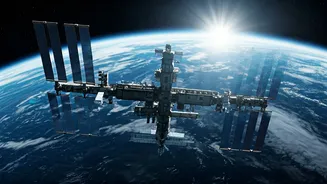
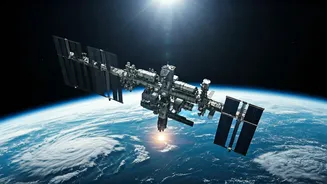
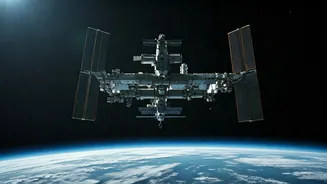
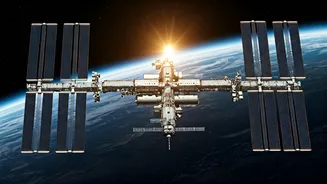
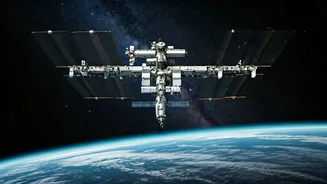
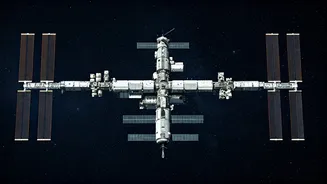
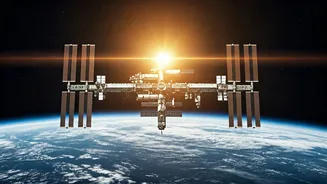
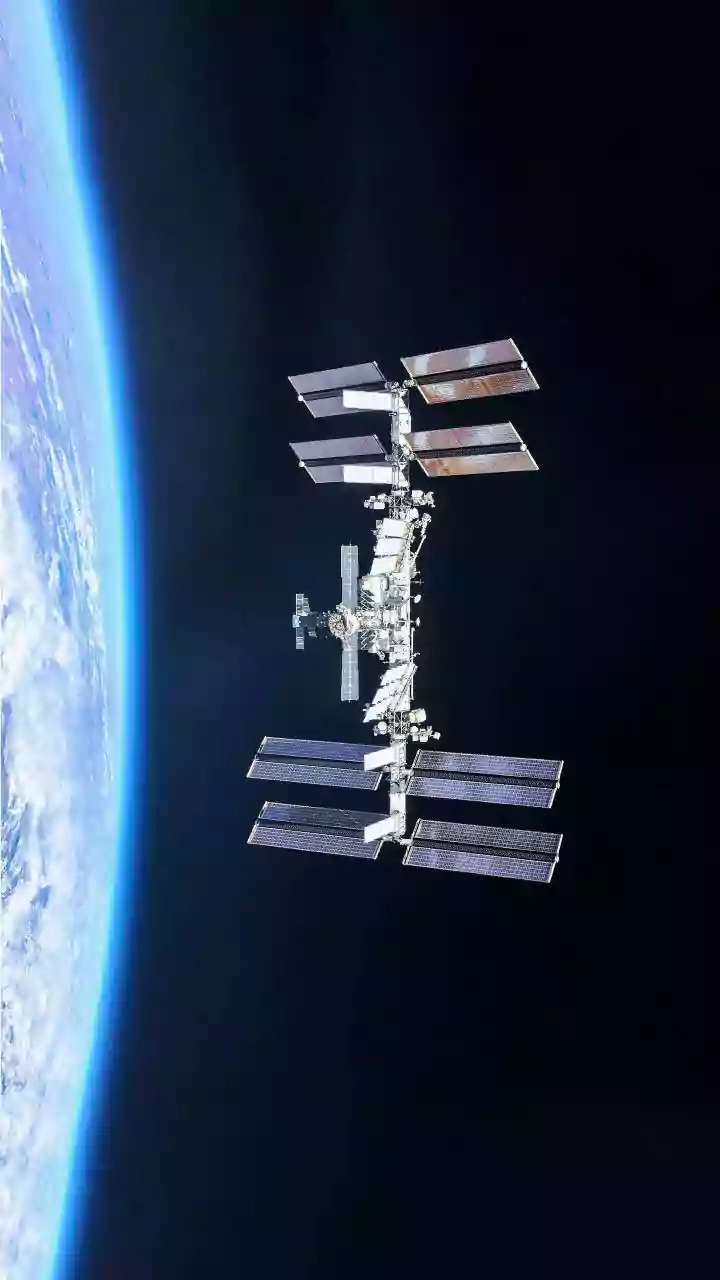
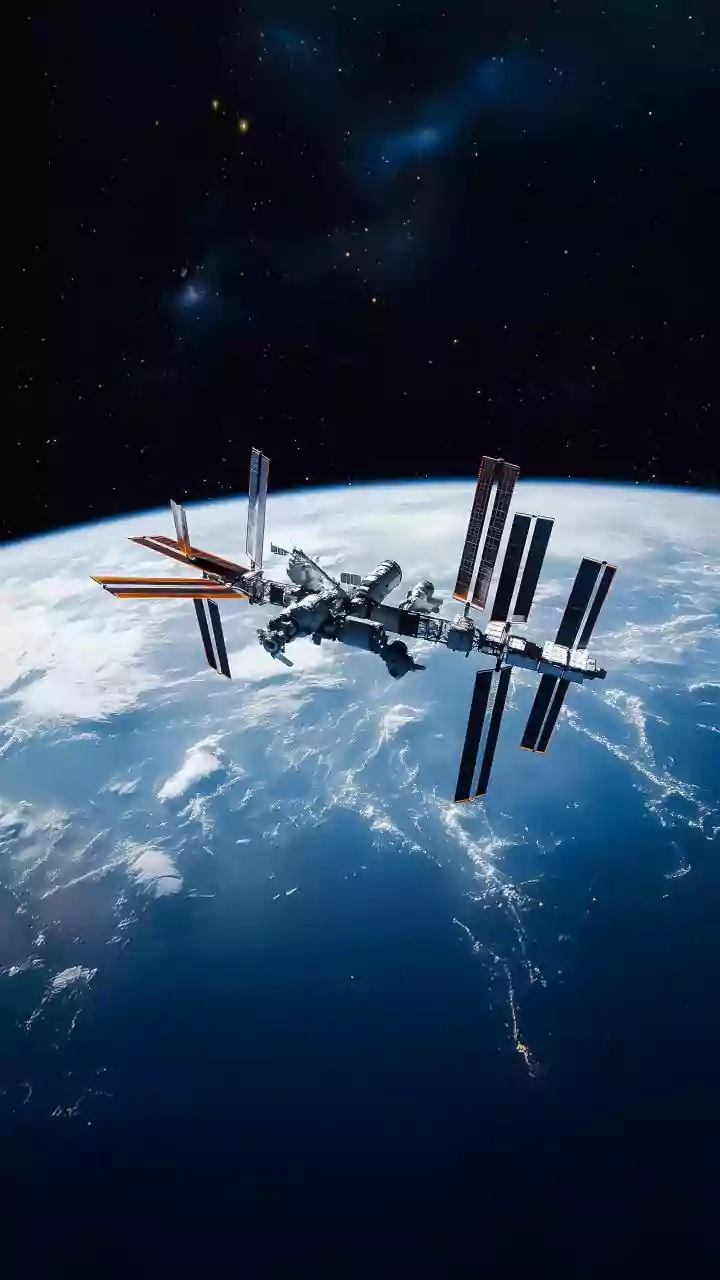
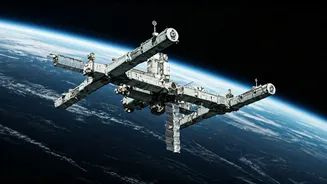
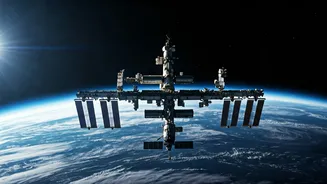
The mind-blowing fact at the heart of the buzz is this: the International Space Station is the most expensive single object humanity has ever constructed. While pinning down an exact figure is complex, most estimates place the total cost, including construction,
launches, and operations over its lifetime, at well over $150 billion. This staggering sum, recognized by Guinness World Records, dwarfs other massive engineering projects. It's a figure so large it’s difficult to contextualize, representing an unprecedented global investment in science and exploration. The project has been a joint effort among 15 nations, though the United States has shouldered the majority of the cost.
Breaking Down the Cosmic Bill
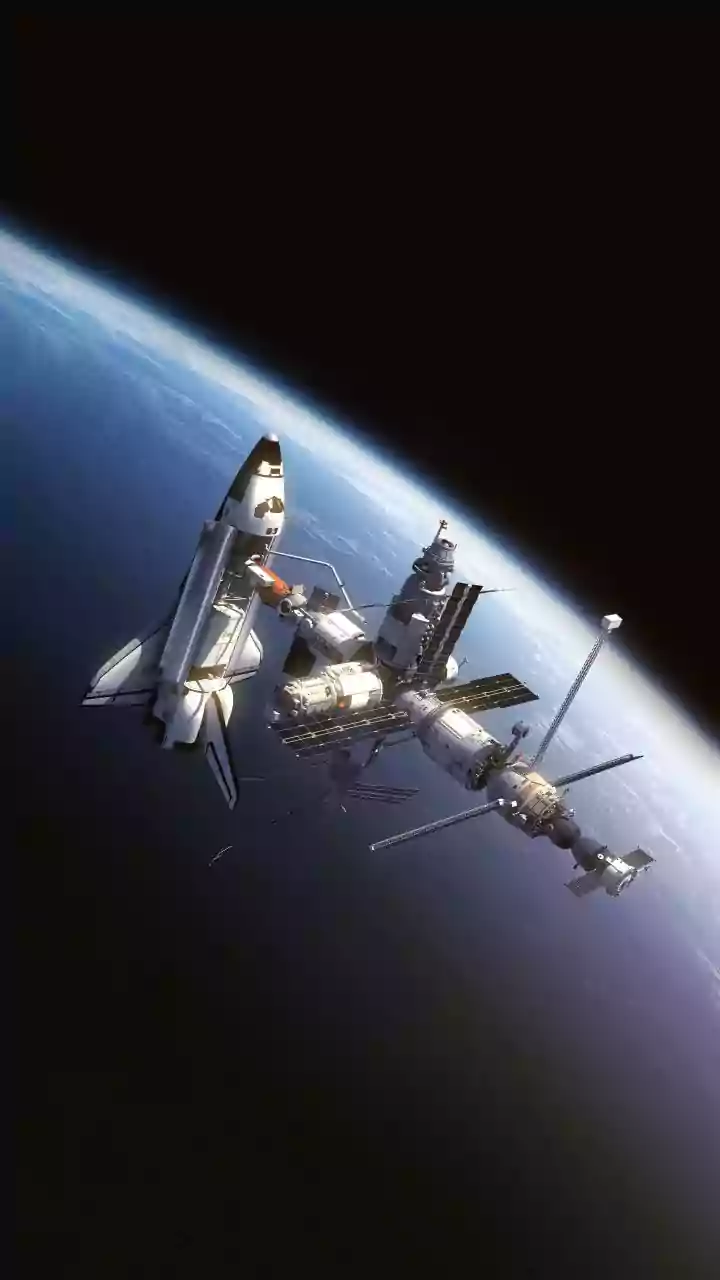
So, where does all that money go? The $150 billion figure covers decades of work, starting from the initial concepts in the 1980s. A significant portion, estimated at around $50.4 billion, was spent on the 36 space shuttle flights required just to assemble the station's modules in orbit. The modules themselves, from laboratories to living quarters, represent another massive expense. Beyond construction, the ISS costs between $3 billion and $4 billion annually just to operate. This covers everything from mission control, regular cargo resupply missions carrying food and experiments, and system maintenance. Essentially, every single item, down to a tortilla, has an astronomical shipping cost.
The Priceless Return on Investment
With such a colossal price tag, the obvious question is: Is it worth it? The answer lies in the station's primary purpose as a unique microgravity laboratory. For over two decades, the ISS has enabled groundbreaking research that is impossible to conduct on Earth. Scientists have made significant advances in medicine, studying bone density loss, muscle atrophy, and the effects of aging on the human body. These findings have direct applications for treating diseases on Earth. The station serves as a crucial testbed for technologies needed for future deep-space missions to the Moon and Mars, helping to reduce risks for future astronauts. Furthermore, studies have shown that research conducted on the ISS tends to be more impactful, with papers and patents receiving significantly more citations than comparable Earth-based research.
An Unprecedented International Partnership
Perhaps one of the most significant, yet intangible, returns on the investment is the international cooperation it represents. Born from post-Cold War collaboration between the U.S. and Russia, the ISS partnership also includes the European Space Agency (ESA), Japan (JAXA), and Canada (CSA). This has allowed for a continuous human presence in space since November 2000, with over 290 individuals from more than 20 countries having visited the station. In a world of geopolitical tensions, the ISS stands as a powerful symbol of what nations can achieve when they work together toward a common scientific goal.
The End of an Era and a New Beginning
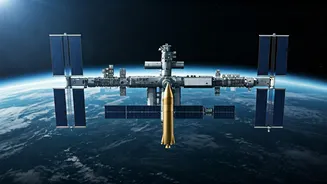
All good things must come to an end. NASA plans to de-orbit the International Space Station in 2030, guiding it to a fiery end over a remote part of the Pacific Ocean. The process itself is costly, with NASA contracting SpaceX for nearly $843 million to build the vehicle that will safely bring it down. However, this doesn't signal the end of human presence in low-Earth orbit. NASA is actively fostering the development of commercial space stations, planning to be a customer rather than an owner. Companies like Axiom Space are already planning to launch modules that will initially attach to the ISS before forming a new, independent commercial station. This transition marks a shift toward a new economy in space, built upon the legacy of the ISS.