



The Science of Saffron's Scent
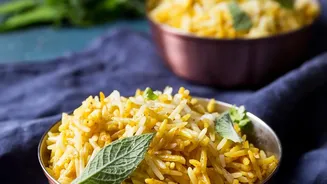
Saffron is prized for its three key compounds: crocin for its vibrant golden colour, picrocrocin for its balancing bitterness, and safranal for its iconic aroma. Safranal is responsible for the earthy, floral, and slightly sweet scent we associate with
the spice. However, this compound is highly volatile, meaning it easily evaporates and escapes into the air, especially when heated. Aggressive or prolonged cooking can quickly diminish saffron's aromatic intensity. The goal, therefore, is not just to release this scent during cooking but to capture and preserve it within the finished dish.
Why Resting Covered Is Not an Optional Step
When rice finishes cooking, the pot is filled with more than just perfectly tender grains; it's also full of steam. This steam is infused with the volatile safranal that has been released. If you lift the lid immediately, all that precious aroma vanishes into your kitchen. By turning off the heat and leaving the pot covered, you create a sealed environment where the magic happens. The steam circulates, condenses on the lid, and falls back onto the rice. As the grains slowly cool and firm up, they reabsorb this moisture, essentially trapping the saffron aroma inside each grain. This resting period also allows for critical moisture redistribution, ensuring grains are evenly cooked and fluffy, not wet at the bottom and dry at the top.
How to Perfectly Rest Your Saffron Rice
The method is simple but requires a little patience. Once your rice has absorbed all the water and is cooked through, remove the pot from the heat. Do not lift the lid. If you want to go a step further for exceptionally fluffy rice, you can quickly place a clean, folded dish towel over the pot before replacing the lid firmly on top. The towel helps absorb any excess condensation, preventing sogginess while the aroma continues to be infused. Let the rice stand undisturbed for a minimum of 5-10 minutes. For larger batches, a rest of up to 30 minutes can yield even better results. Only after this resting period should you uncover the pot and gently fluff the grains with a fork, releasing that now-captured cloud of saffron fragrance.
Maximising Aroma from the Start
While resting is the final crucial step, how you treat the saffron from the beginning also makes a significant difference. To get the most out of the expensive spice, always 'bloom' it first. Instead of throwing the threads directly into the pot, gently crush them and steep them in a few tablespoons of warm (not boiling) water, milk, or broth for at least 10-15 minutes. This process extracts the colour and aromatic compounds much more effectively. Add this infused liquid towards the end of the rice cooking time to preserve the delicate safranal, which can be damaged by high heat.
A Technique for All Aromatic Rice
This principle of resting isn't exclusive to saffron rice. It can elevate any dish where aroma is a key component. Whether you are making a fragrant biryani, a spiced pulao, or a simple pot of basmati or jasmine rice, letting it rest covered is essential. The technique allows the unique volatile compounds of each spice and grain to be fully absorbed, ensuring the final dish is as aromatic as it is flavourful. It is a small, passive step that transforms a good pot of rice into a great one, proving that sometimes the most important part of cooking is knowing when to do nothing at all.