




Rajasthan’s Open-Air Art Gallery
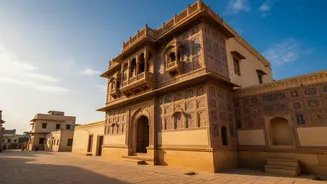
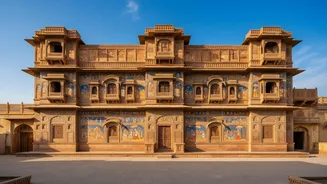
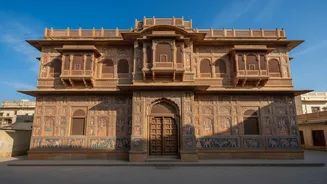
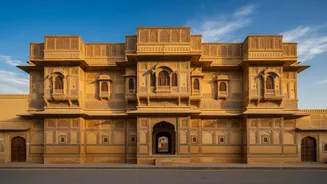
Tucked away in northeastern Rajasthan, the Shekhawati region is often dubbed 'the world's largest open-air art gallery'. This isn't an exaggeration. The towns here—principally Mandawa, Nawalgarh, and Fatehpur—are famous for their stunning havelis, the grand
mansions of 18th and 19th-century Marwari merchants. These traders, who made their fortunes along the Silk Road trade routes, poured their wealth into constructing opulent homes. To display their success, they commissioned artists to cover every available surface, both inside and out, with intricate fresco paintings. Many of these havelis, some semi-abandoned and others meticulously restored, stand today as a testament to a bygone era of immense wealth and artistic patronage.
Living Inside a Work of Art
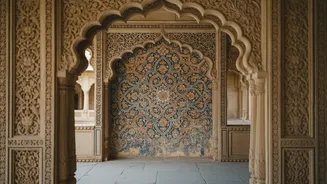
What sets the current trend apart is the shift from just visiting these havelis to living in them. A growing number of these historic properties have been converted into heritage hotels and, more intimately, homestays. This allows travelers to experience Rajasthani hospitality not as a tourist, but as a guest in a home steeped in history. Staying in a haveli homestay means waking up surrounded by centuries-old art. The frescoes depict a fascinating mix of subjects: mythological tales of Krishna sit alongside portraits of British royalty, and scenes of daily life are interspersed with whimsical depictions of the modern technologies of the time, like trains and motorcars. This unique accommodation choice offers an immersive cultural experience that a standard hotel simply cannot match.
The Wisdom of Off-Peak Travel
The term 'off-peak' in Rajasthan typically refers to the summer and monsoon months, from April to September. While the heat can be intense, savvy travelers are discovering the significant upsides. The most obvious benefit is the absence of crowds. During these months, you can explore the painted mansions and quiet lanes of Shekhawati at your own pace, without jostling for space. This solitude allows for a more personal connection with the art and architecture. Furthermore, the off-season brings considerable cost savings, with accommodation and travel often available at a fraction of the peak-season price. For the culture seeker, the value proposition is clear: a more authentic, peaceful, and affordable journey into the heart of Rajasthan's artistic heritage.
For the Discerning Culture Seeker
This travel trend is being driven by a specific type of tourist: the culture seeker. This is a traveler who prioritizes authenticity over luxury, and experience over simple sightseeing. They are less interested in ticking off a checklist of famous monuments and more focused on deep engagement with a place's history, art, and people. The Shekhawati experience is perfectly aligned with this mindset. It's a form of slow travel that encourages wandering, observation, and interaction. Staying in a family-run haveli, talking to the owners about their ancestral home, and spending hours admiring frescoes that tell the story of India's mercantile past is the ultimate reward for those who travel to learn and connect.
Planning Your Shekhawati Sojourn
Getting to Shekhawati involves a drive from major hubs like Jaipur or Delhi. The main towns to base yourself in are Mandawa, often the starting point for exploring the region, and Nawalgarh, which boasts a large number of havelis and a well-regarded museum in the Podar Haveli. When choosing a homestay, look for properties that emphasize their restoration efforts and offer guided walks to explain the history of the frescoes. Many haveli owners are passionate about preserving their heritage and are excellent sources of information. While the summer heat requires a slower pace—early morning and late afternoon explorations are best—the monsoon can bring a unique beauty, washing the dust away and occasionally turning the arid landscape a surprising green.