




An Unprecedented Expansion
India's aviation sector is in the midst of a historic transformation, positioning itself to become the world's third-largest air passenger market. Major carriers including IndiGo, Air India, and the rapidly growing Akasa Air have collectively placed orders
for over 1,200 new aircraft from global manufacturers Boeing and Airbus. Projections indicate this is just the beginning, with Union Commerce and Industry Minister Piyush Goyal stating that Indian airlines could order an additional 1,000 planes, bringing the total requirement to over 2,000 aircraft. This enormous undertaking reflects the industry's confidence in the long-term growth of air travel in the country. According to a 2026 forecast by consultancy Oliver Wyman, India’s commercial aircraft fleet is projected to grow at an annual rate of 7.1% between 2026 and 2036, among the highest rates globally.
The Airlines Leading the Charge
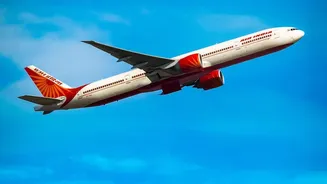
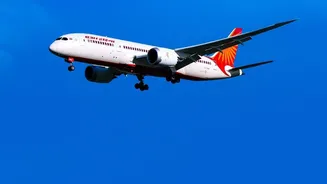
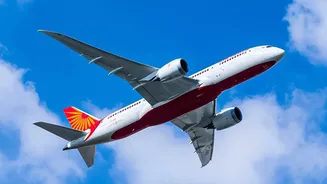
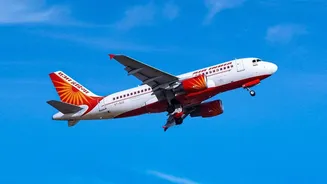
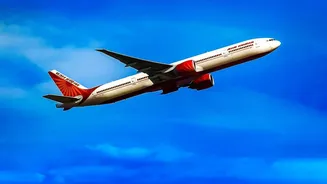
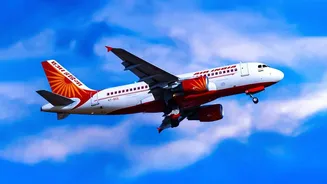
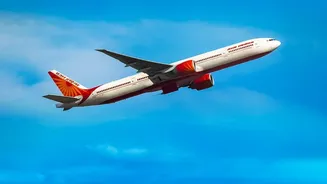
IndiGo, already India's largest domestic carrier, is aggressively expanding its footprint. With a backlog of nearly 900 undelivered aircraft, the airline is evolving from a low-cost regional player into a global contender. This includes a massive order for 500 Airbus A320neo family aircraft and 60 Airbus A350 wide-body jets to service long-haul routes to North America and Europe. Not to be outdone, the Tata-owned Air India is undergoing a massive revitalization. As part of a landmark 570-aircraft order from 2023, the airline is scheduled to induct a new wide-body aircraft every six weeks throughout 2026 and 2027. This rapid influx of modern Boeing 787-9s and Airbus A350s is central to its goal of becoming a premier international carrier. Meanwhile, newer entrant Akasa Air is carving out its own space, targeting 30% capacity growth in FY27 and aiming for a fleet of 226 planes by 2032.
Navigating Short-Term Turbulence
Despite the long-term optimism, the industry faces immediate headwinds. Recent data from November 2026 shows a slight decline in domestic passenger traffic and flight capacity compared to the previous year. Analysts attribute this to a combination of factors, including higher airfares driven by elevated Aviation Turbine Fuel (ATF) costs, a weaker rupee, and geopolitical tensions. Some airlines have temporarily reduced flight schedules to prioritize profitability over passenger volume growth in the current high-cost environment. Furthermore, global supply chain issues and manufacturing backlogs at Boeing and Airbus mean that many of these new aircraft orders face significant delivery delays, with some planes not scheduled to arrive until as late as 2034. This creates a capacity crunch, as rising demand outpaces the availability of new planes.
Building an Ecosystem for Growth
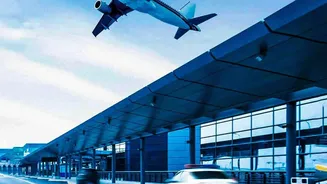
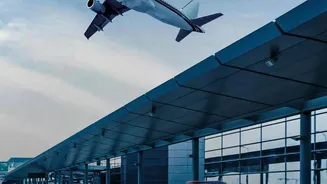
Expanding the fleet is only one part of the equation. This massive growth necessitates a parallel expansion of the entire aviation ecosystem. The number of operational airports in India has more than doubled in the last decade, and major infrastructure projects like the new airports in Navi Mumbai and Noida are critical to handling the surge in traffic. However, challenges remain. The industry faces a looming shortage of trained pilots, cabin crew, and maintenance professionals. Additionally, high operating costs, particularly from ATF taxes, and the need to develop more robust Maintenance, Repair, and Overhaul (MRO) facilities within India are key hurdles that must be addressed to ensure sustainable growth. The government is taking steps to support this expansion, including efforts to boost domestic aircraft leasing and financing through hubs like GIFT City.