



Why a Weekly Reset Matters
By the end of the week, the kitchen often shows signs of life: counters are cluttered, the fridge is a mix of new groceries and old leftovers, and half-empty bags of snacks populate the pantry. This chaos can make cooking feel like a chore. A weekly kitchen reset
is a 30-to-60-minute routine to restore order. It’s not about scrubbing baseboards but about clearing surfaces, taking stock of your food, and preparing the space for the week ahead. This simple habit reduces food waste, saves you time when you need to cook, and removes the mental load of starting from a messy space each day. The goal is to return your kitchen to a neutral state, making it an inviting and efficient room once more.
Start with the 'Open Pack' Audit
The biggest source of pantry and fridge chaos often comes from open packages. You have a handful of pasta, a quarter-bag of almonds, and three different kinds of crackers, all in flimsy, half-open packaging. The first step of a powerful reset is to conduct an 'open pack' audit. Go through your pantry, fridge, and cupboards, and gather every single opened package. Check for freshness and decide what needs to be used up soon. This is also the perfect time to consolidate. If you have two open bags of the same rice, combine them. This audit immediately shows you what you have and prevents you from buying duplicates. For items nearing their expiration, pull them to the front of the shelf as a visual reminder to use them first.
Implement Smart Storage Solutions
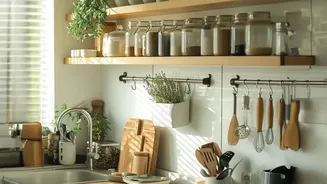
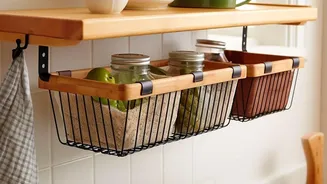
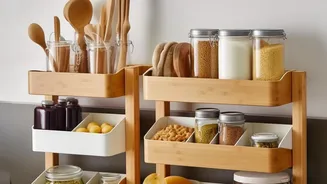
Once you've identified all those open packs, the key is to give them a proper home. Commercial packaging is designed to be eye-catching in a store, not functional in a home pantry. Investing in a system of clear, airtight, and stackable containers is a game-changer. Decanting items like grains, pastas, cereals, and snacks into uniform containers not only keeps them fresher for longer but also makes it easy to see what you have at a glance. For smaller items or things you don't want to decant, use bins or baskets to group them together. You can create a 'snack basket' or a 'baking supplies' bin. This keeps shelves looking tidy and prevents smaller packages from getting lost in the back of a cabinet.
The Surface Blitz and Restock
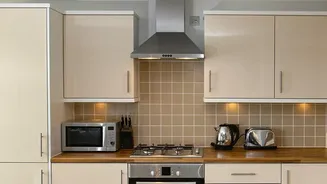
With your food organized, the rest of the reset moves quickly. The goal is to clear and clean the surfaces you use most. Start by emptying the sink and loading or running the dishwasher. Next, clear everything off your countertops and give them a thorough wipe-down. Clean the stovetop, wipe down the microwave, and spot-clean cabinet fronts. Finally, change out your dish towels for fresh ones and take out the trash and recycling. This part of the routine shouldn't take more than 15-20 minutes but has a huge impact on how clean the kitchen feels. Once the space is clean, you can put away your newly organized groceries or create a shopping list based on your food inventory.
Making the Habit Stick
The key to a successful weekly reset is consistency. Attaching the new habit to an existing one can help, a practice sometimes called 'habit stacking'. For example, you could decide to do your kitchen reset every Sunday morning while your coffee brews, or right after you put away the last of the weekend's groceries. To avoid feeling overwhelmed, break the reset into smaller chunks. Focus one week on just the pantry, and the next on the fridge. Over time, the process becomes faster and more intuitive. Remember, the goal isn't perfection; it’s about creating a sustainable system that makes your daily life easier and your kitchen a more enjoyable place to be.