






The Quiet Shift from Grand to Intimate
For decades, the festive economy was defined by scale—large community gatherings, bustling markets, and massive corporate events. While these still exist, a significant behavioural shift towards smaller, more personal celebrations is taking hold. Families
are increasingly choosing to host gatherings at home for birthdays, anniversaries, and even major festivals, a trend accelerated by post-pandemic habits but sustained by changing urban lifestyles. This move from spectacle to sentiment means celebrations are becoming more frequent and personalized. Instead of one massive annual event, households now host multiple smaller, curated moments throughout the year, from baby showers to housewarmings. This densification of the social calendar is fundamentally rewiring the flow of festive spending.
Personalization Over Mass Production
In a smaller setting, every detail matters. This has fuelled a move away from generic, mass-produced goods towards specialized and premium products. When hosting an intimate dinner, consumers are more likely to invest in artisanal sweets, unique home décor, and high-quality ingredients. Gifting, too, has become more thoughtful. Consumers are now making 'considered' purchases, choosing gifts based on the recipient's specific lifestyle and needs rather than just tradition. This trend is a boon for direct-to-consumer (D2C) brands specializing in niches like wellness, beauty, bespoke jewellery, and gourmet foods. These brands are reporting significant year-on-year growth, with some seeing sales jump by 60-70% during the festive season. The focus is shifting from volume to value, where a handcrafted item or a personalized hamper holds more emotional and economic weight.
A Decentralized Economy Emerges
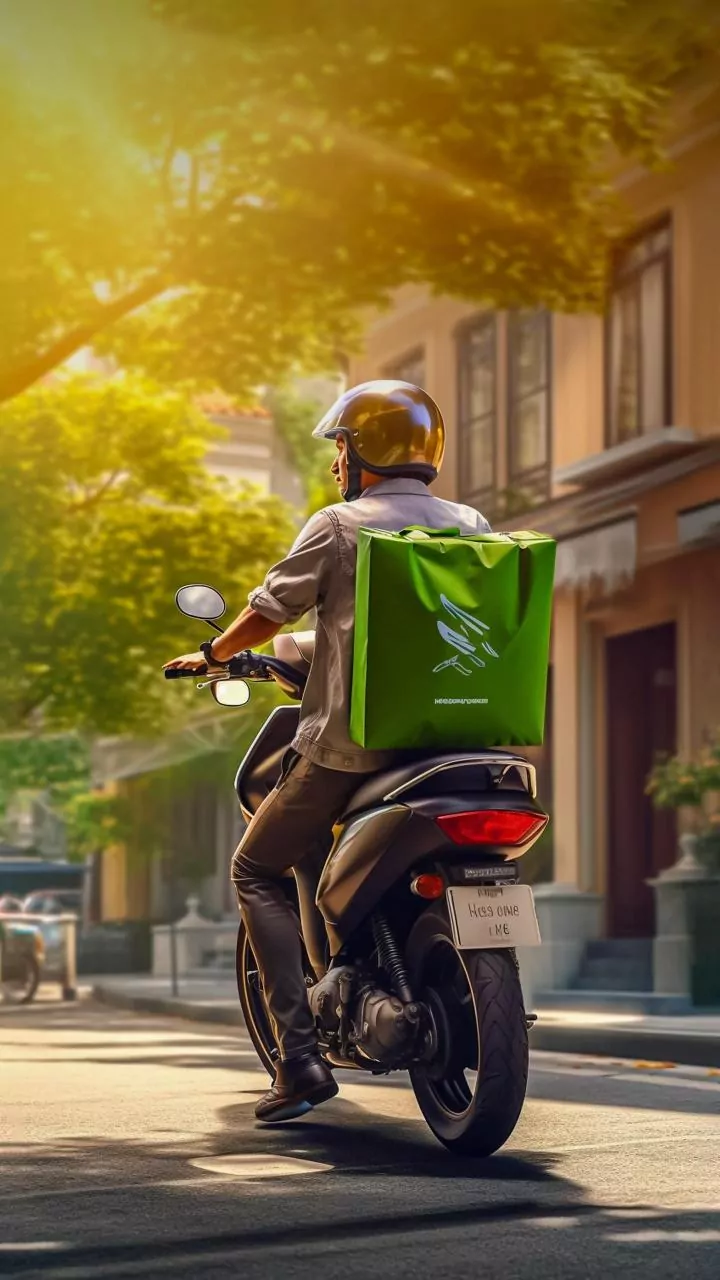
The rise of smaller celebrations directly benefits a new ecosystem of entrepreneurs. The economic activity is becoming more distributed, moving away from a few large retailers and event managers to a wide network of local and digital-first businesses. Home chefs, independent decorators, local artisans, and boutique gifting services are thriving. Quick commerce platforms have become crucial enablers, leveraging regional festivals with curated product packs and localized offers that cater to specific community needs. This hyperlocal approach allows small vendors to access a larger market with low investment. Digital discovery on platforms like Instagram and Pinterest, paired with seamless UPI payments, has further empowered this decentralized marketplace, allowing consumers to find and purchase from unique vendors across the country.
The New Face of Festive Spending
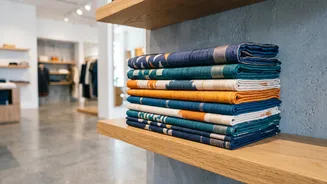
This shift doesn’t mean less spending—it means spending differently. While the overall festive economy continues its robust expansion, projected to be worth lakhs of crores, the money is flowing into new channels. Consumers are spending on creating an 'aesthetic' rather than just an event, borrowing the visual language of luxury for intimate home setups. Fashion reflects this change, with a growing demand for 'soft luxury'—elegant, comfortable occasion wear that is suitable for smaller, more relaxed gatherings rather than large, formal functions. Even jewellery trends are moving towards versatile, lightweight pieces that can be worn beyond a single grand occasion. This indicates that the modern consumer seeks value and utility, even in their discretionary festive spending.