

Why the Monsoon is the New Peak Season
For years, travel to India’s Northeast was largely confined to the dry post-winter months. The monsoon, with its reputation for torrential rain, was seen as the off-season. That perception is rapidly changing. Today, nature lovers and adventure seekers
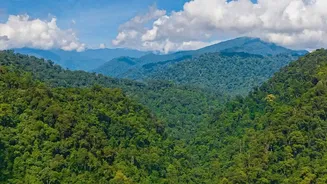
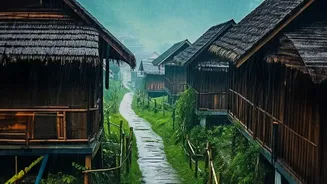
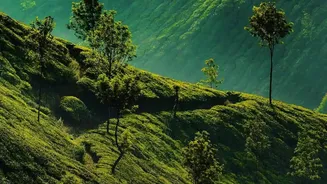
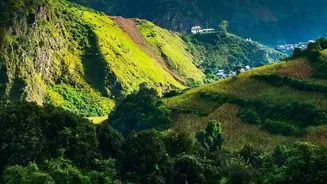
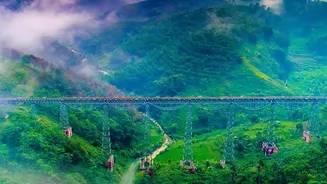
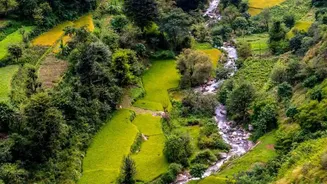
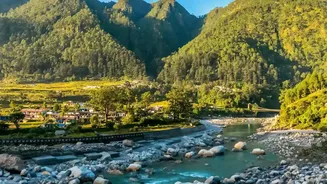
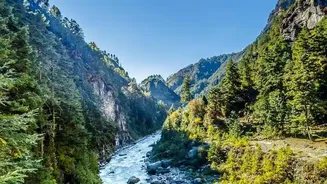
are realizing that the monsoon doesn't spoil the Northeast; it makes it. From June to September, the region transforms into a vibrant green paradise. The rain breathes life into the landscape, turning hills into emerald canvases, swelling rivers, and making waterfalls thunder with magnificent force. This is when the region's natural splendour is at its absolute peak. Recent travel trends confirm this shift, with a significant spike in hotel and flight bookings to the region during the monsoon months, indicating a strong demand for nature-based experiences.
Meghalaya: In the Abode of Clouds
Meghalaya, which translates to "Abode of Clouds," is the undeniable heart of monsoon travel in India. It is home to some of the wettest places on Earth, like Mawsynram and Cherrapunji (Sohra). Here, the rain is not just weather; it's the main attraction. The season feeds iconic waterfalls like Nohkalikai, the country's tallest plunge waterfall, and the majestic Seven Sisters Falls, which are at their most powerful and breathtaking during this time. Adventure here is immersive and unique. Trekkers can navigate the famous living root bridges, which become even more vibrant and alive with the constant moisture. The trek to the Double Decker Root Bridge in Nongriat is a challenging but rewarding journey through dense, dripping forests. For the truly adventurous, caving in networks like Mawsmai becomes an even more thrilling experience.
Sikkim and Assam: Green Treks and Wild Rivers
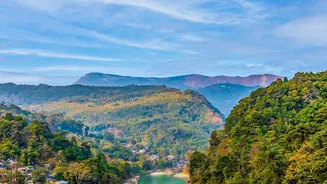
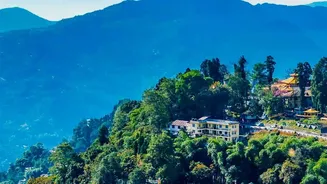
While high-altitude treks in Sikkim can be risky during the monsoon due to landslides, lower-altitude trails offer a different kind of magic. The trails around places like Uttarey become serene and are perfect for beginner-friendly monsoon treks, surrounded by mist and lush greenery. The state's famous monasteries, like Rumtek, take on a contemplative and mystical atmosphere when shrouded in clouds. Further down in the plains of Assam, the monsoon replenishes the vast tea gardens, making them glisten in brilliant shades of green. While Kaziranga National Park remains closed, the hill station of Haflong becomes a dream destination. Its rolling hills, covered in mist, and serene lakes offer opportunities for gentle treks, birdwatching, and simply soaking in the peaceful, rain-washed environment.
Arunachal and Nagaland: Off the Beaten Path
For the more intrepid traveller, the monsoons in Arunachal Pradesh and Nagaland offer truly offbeat adventures. In Arunachal, Ziro Valley, famous for its music festival, becomes a tranquil expanse of verdant paddy fields under moody skies. In Nagaland, the Dzukou Valley, straddling the border with Manipur, transforms into a carpet of wildflowers. Trekking here during the monsoon is a spectacular experience, with the valley blooming with lilies and rhododendrons against the backdrop of misty mountains. These destinations have seen a remarkable increase in interest, with Nagaland and Arunachal Pradesh recording the highest growth in flight and hotel bookings during the monsoon season. This points to a growing appetite for less crowded, raw nature experiences that these states provide in abundance.
Know Before You Go: Monsoon Travel Tips
An adventure in the Northeast during the monsoon requires smart planning. The weather is unpredictable, and landslides and road closures are a real possibility. It's crucial to build buffer days into your itinerary and stay flexible with your plans. Hiring an experienced local driver or operator who understands the terrain and conditions is highly recommended. Packing is key: waterproof jackets, trousers, and backpacks are non-negotiable. Quick-drying clothes and sturdy, non-slip footwear are essential for trekking on slippery trails. Always carry a power bank, extra snacks, and some emergency cash, as power outages can be common. Finally, while the waterfalls are beautiful, always maintain a safe distance, as currents can be powerful and rocks are extremely slippery.