




Why Rain Doesn't Equal Watered
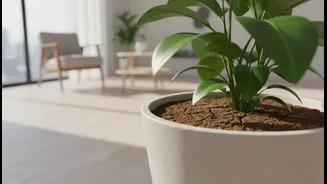
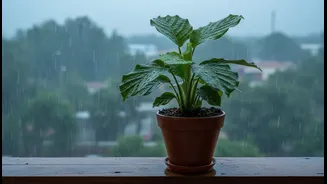
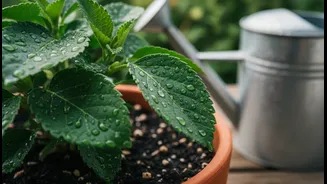
During humid, rainy periods, it’s easy to assume nature is taking care of your plants’ watering needs. However, a light shower might only wet the top layer of soil, leaving the roots dry. Conversely, heavy rain combined with high humidity means water in the pot
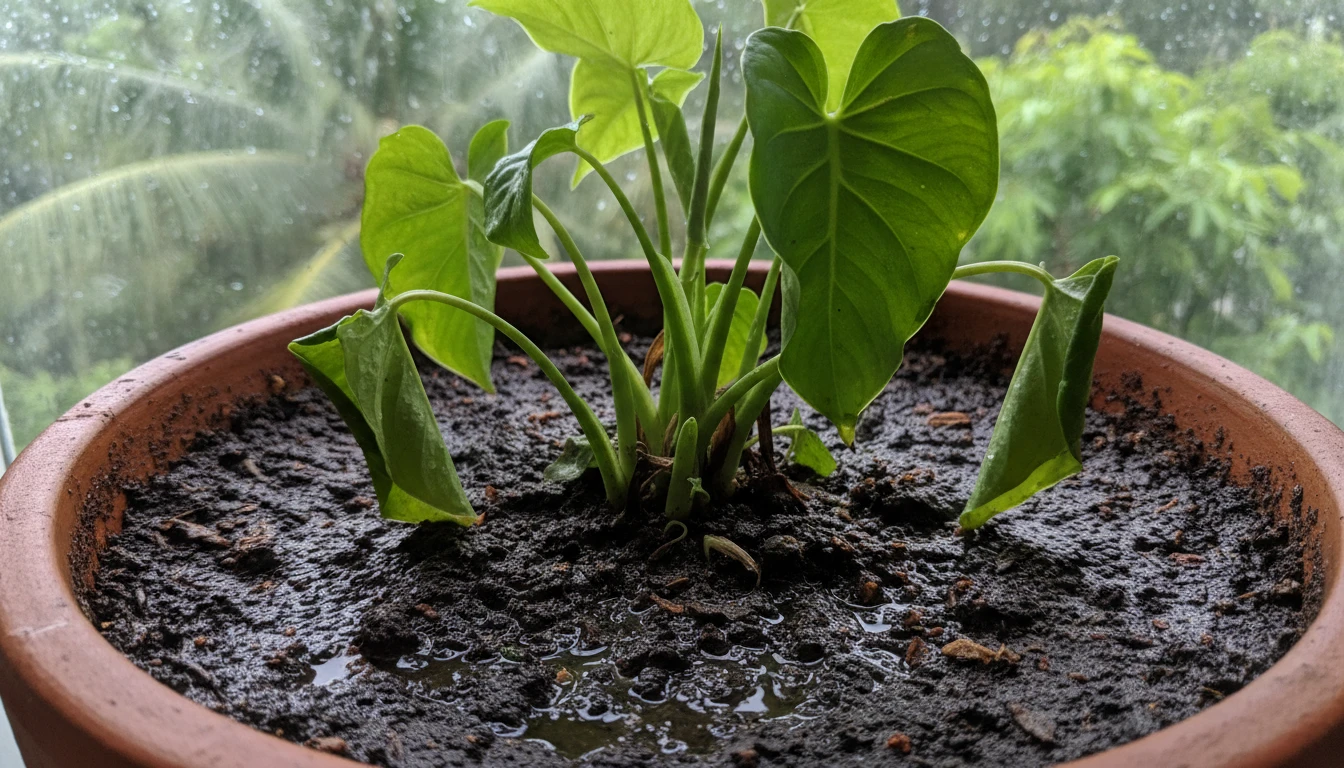
evaporates much more slowly. The surface of the soil is not a reliable indicator; it can look dry while the soil around the roots is saturated, or look damp when the root zone is parched. This disconnect is where plant problems begin. Relying on a fixed schedule or the weather forecast is one of the most common mistakes. Your plants need a more direct check-up.
The Dangers of 'Wet Feet'
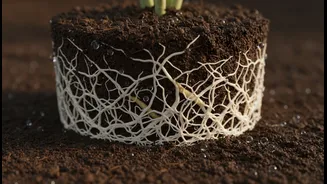
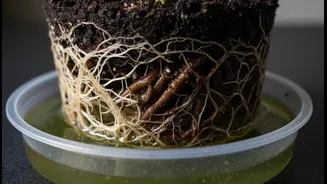
The most significant danger of overwatering is root rot. When soil is waterlogged, it cuts off the oxygen supply to the roots. These oxygen-starved roots become weak and vulnerable to fungal pathogens that thrive in wet conditions. Once rot sets in, the roots turn brown and mushy, losing their ability to absorb water and nutrients. Paradoxically, this can make an overwatered plant look wilted and thirsty, tempting you to water it even more. Other signs of overwatering include yellowing leaves (especially lower ones), soft stems, leaf drop, and even blisters on the leaves, a condition known as edema.
How to Perform the Finger Test
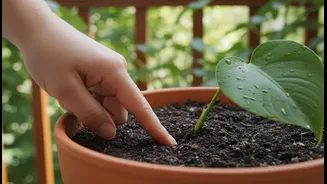
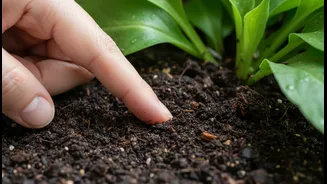
This timeless gardening trick is the most reliable way to gauge soil moisture where it matters most: at the root level. It’s simple, quick, and costs nothing. First, choose a spot a few inches away from the plant’s stem to avoid damaging the main roots. Gently insert your index finger into the soil. For most potted plants, you should aim to go down to your first or second knuckle, which is about 1-2 inches deep. This depth takes you past the quickly drying surface layer and into the main root zone.
Interpreting the Results
What you feel is more important than what you see. After inserting your finger, pay attention to the sensation and what comes out on your skin. If your finger comes out clean and the soil at that depth feels dry and warm, it's time to water. If your finger comes out with moist soil sticking to it, and the soil feels cool and damp, hold off on watering. The soil has enough moisture for now. If the soil feels genuinely wet or muddy, you have likely been overwatering, and you should wait even longer, while also checking for proper drainage.
More Tips for Monsoon Plant Care
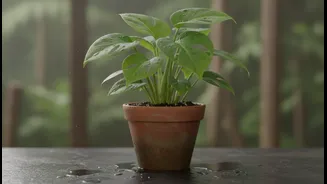
The finger test is your primary tool, but you can support your plants in other ways during extended rainy periods. Ensure every pot has drainage holes and that they aren't blocked. Consider using porous pots like terracotta, which allow moisture to evaporate through the sides. If possible, move particularly vulnerable plants like succulents under a covered balcony or overhang during heavy downpours. It's also wise to empty any water that collects in the saucers or trays beneath your pots to prevent the plant from sitting in stagnant water. Finally, improving air circulation by spacing plants out or using a fan indoors can help the soil dry more evenly.