





What Exactly Is Date Palm Syrup?
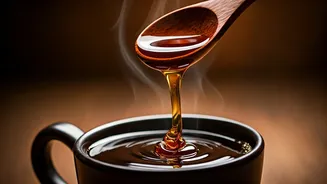
Before we crown it, let's understand what it is. Date palm syrup, also known as date molasses, is a thick, dark brown syrup made from the sap of date palm trees, not from the date fruit itself. The process is labour-intensive: sap is tapped from the trees, collected,
and then slow-boiled for hours until it reduces to a rich, concentrated syrup. In India, particularly in West Bengal, a similar product called 'nolen gur' (date palm jaggery) is a celebrated winter delicacy, cherished for its unique aroma and taste. The syrup form is essentially a less-reduced version of this traditional jaggery, offering the same flavour profile in a liquid, easy-to-mix format.
The Flavour Profile: More Than Just Sweet
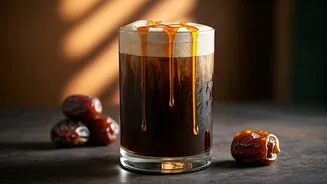
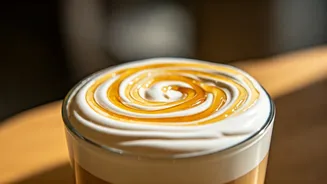
This is where date palm syrup truly stands out. Unlike the one-dimensional sweetness of refined sugar, it boasts a complex flavour profile. Expect deep caramel and toffee notes, a hint of smokiness from the reduction process, and a subtle, earthy richness. When added to coffee, it doesn't just sweeten; it enhances. It complements the roasted, slightly bitter notes of coffee beans, creating a rounder, more luxurious mouthfeel. While sugar can sometimes flatten coffee's taste, date syrup adds a new layer of complexity, turning your morning cup into something more akin to a gourmet beverage.
The Health Angle: A Nutritional Glance
No natural sweetener is a 'health food' in the strictest sense—they are all forms of sugar. However, compared to processed white sugar, date palm syrup retains some of the nutrients from the palm sap. It is a source of minerals like potassium, magnesium, and iron. Furthermore, it generally has a lower glycemic index (GI) than table sugar, meaning it causes a slower, more gradual rise in blood sugar levels. This can help avoid the sharp energy spikes and subsequent crashes associated with high-GI sweeteners. While it's still something to be consumed in moderation, its nutritional profile gives it a slight edge over empty-calorie sweeteners.
Date Syrup vs. Honey
Honey is a classic coffee companion, but date syrup offers a different experience. Flavour-wise, honey is floral and light, while date syrup is dark and caramel-like. Both offer trace minerals, but date syrup has a less distinct 'honey' flavour that some find overpowering in coffee. A key difference is heat stability; some of honey's beneficial enzymes can be degraded by the heat of a hot coffee. Date syrup, having been created through boiling, doesn't have this issue. For those who prefer a richer, less floral sweetness, date syrup is a superior choice.
Date Syrup vs. Maple Syrup
Maple syrup is another popular natural choice, known for its distinct, woody sweetness. The flavour battle here is a matter of preference. Maple syrup's signature taste is wonderful but can sometimes compete with the coffee's own profile. Date syrup's smoky caramel notes tend to blend more seamlessly, enhancing the coffee rather than standing apart from it. In the Indian context, authentic maple syrup can be quite expensive and less readily available, whereas high-quality date palm syrup or 'nolen gur' can be sourced locally, making it a more accessible option for many.
Date Syrup vs. Jaggery (Gur)
This is a close contest, as date palm syrup is essentially liquid date palm jaggery. The more common sugarcane jaggery has a robust, earthy sweetness that many Indians love. However, date palm jaggery (and its syrup) is often considered more aromatic and refined in flavour. Its smoky, almost chocolatey undertones provide a complexity that sugarcane jaggery typically lacks. If you're already a fan of adding a piece of gur to your coffee or chai, switching to date palm syrup is a natural and elevated next step, offering a more nuanced flavour and easier dissolvability.