






What is 'Rainy Season Organization'?
Forget the frantic stuffing of plastic sheets over furniture. The trend that’s filling up Instagram Reels and YouTube tutorials in India is a mindful, aesthetic, and incredibly practical approach to monsoon-proofing your home. It’s less about panic-prepping
and more about curating a space that’s clean, functional, and cozy, allowing you to actually enjoy the season. Think of it as the home-organization equivalent of comfort food. It’s about creating systems to manage the specific challenges of the rainy season—humidity, dampness, pests, and clutter from wet gear—so you can spend less time worrying and more time sipping chai by the window. This movement transforms a season of potential domestic stress into an opportunity for a satisfying home reset.
1. Create the Perfect Entryway 'Landing Zone'
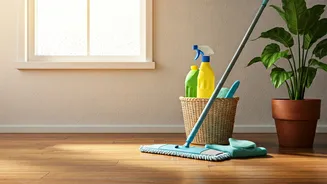
The number one rule of monsoon sanity is to contain the mess at the door. Viral videos showcase beautifully organised entryway stations, and they’re easier to create than you think. Designate a specific spot for all things wet. This isn't just about a doormat. Add a waterproof tray or a bucket for dripping umbrellas. Install a few sturdy hooks for raincoats and jackets so they can air-dry without dripping all over your floors. A small, durable shoe rack for damp footwear is also a must. The goal is to create a 'landing zone' where everyone in the family knows to deposit their wet items. This simple system prevents muddy water from being tracked through the house, keeping your floors clean and saving you from constant mopping.
2. The 'Damp-Proof' Wardrobe Strategy
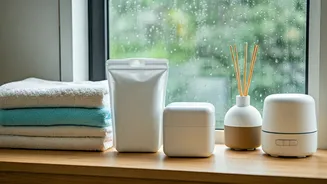
There's nothing worse than pulling out your favourite shirt only to find it smells musty or has signs of mildew. High humidity is the enemy of textiles. The online solution is a multi-pronged attack. First, declutter. Fewer clothes mean better air circulation. Creators recommend spacing hangers an inch apart. Second, introduce moisture absorbers. Small, disposable dehumidifier boxes, bags of silica gel (like the ones that come in new shoes), or traditional neem leaves and camphor balls are your best friends. Place them at the back of shelves and in the corners of your wardrobe. Some even swear by placing a small bowl of uncooked rice to absorb excess moisture, changing it every few weeks. This keeps your clothes smelling fresh and safe from fungal growth.
3. Safeguard Your Valuables
The monsoon is particularly harsh on expensive items like leather goods, wooden furniture, and electronics. The trend here focuses on proactive protection. For leather bags and shoes, clean them thoroughly and store them in breathable cloth bags (never plastic!) with silica gel packets inside. For wooden furniture, especially pieces near windows, avoid direct exposure to rain. Apply a fresh coat of wax or polish before the season begins to create a protective barrier against moisture. Many organization gurus also suggest rearranging electronics away from walls that might become damp and ensuring all wiring is properly insulated and away from potential leaks.
4. Curate Your 'Cozy Corner'
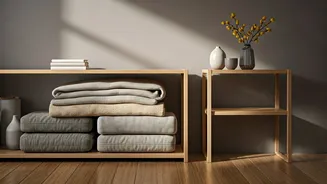
This is perhaps the most beloved part of the rainy season organization trend. It’s not just about defense; it’s about offense. It’s about actively creating a space to embrace the beauty of the monsoon. People are sharing images of their dedicated 'cozy corners'. Find a window with a good view of the rain. Add a comfortable armchair or floor cushions, a soft throw blanket, and a small side table for your book and a cup of tea. String up some warm fairy lights to combat the gloomy grey light. This little sanctuary turns your home into a haven, transforming the rain from an inconvenience into a beautiful, calming backdrop for relaxation and reflection.
5. A Pest-Proof Pantry and Kitchen
The damp weather brings out all sorts of critters, and your kitchen is their prime target. It also makes staples like salt, sugar, and spices clump together. The key is airtight storage. Transfer everything from bags and cardboard boxes into clear, airtight glass or plastic containers. This not only keeps moisture and pests out but also lets you see exactly what you have, reducing food waste. Regularly clean your shelves with a vinegar-water solution, a natural pest repellent. Keeping the kitchen sink dry and clean, and ensuring your waste bin is covered and emptied daily, are small habits that make a massive difference in keeping your kitchen hygienic during the monsoon.