



The Silent Problem in Your Pet's Mouth
Periodontal disease is the most common health issue diagnosed in pets. It begins quietly when bacteria, saliva, and food particles form a sticky film called plaque on the teeth. If not removed, this plaque hardens into tartar, a yellowish-brown deposit
that irritates the gum line. This initial inflammation is called gingivitis, the earliest stage of gum disease. Shockingly, over 80% of dogs and 70% of cats show signs of oral disease by the time they are just two or three years old. Because pets are masters at hiding pain, owners often don't notice a problem until the disease is advanced.
What to Look For: A Quick At-Home Check
You don't need to be a vet to spot the early warning signs. Get into the habit of gently lifting your pet's lips once a week to inspect their teeth and gums. Healthy gums should be a firm, light pink colour. Signs of trouble include persistent bad breath (halitosis), gums that are red, swollen, or bleeding, and a visible buildup of yellow or brown tartar, especially on the back teeth. Other clues might be subtle changes in behaviour, such as difficulty eating, chewing on only one side of the mouth, excessive drooling, or pawing at the face. Spotting these signs early is the first step toward preventing further issues.
From Gingivitis to Serious Health Concerns
If gingivitis is left untreated, it progresses to periodontitis. At this stage, the inflammation is no longer just on the surface. Bacteria creep below the gum line, destroying the tissues and bone that support the teeth. This leads to severe pain, loose teeth, tooth loss, and jaw fractures. The consequences aren't confined to the mouth. The bacteria causing the oral infection can enter the bloodstream and travel throughout the body, contributing to serious health problems in the heart, kidneys, and liver. This is why a seemingly minor dental issue can impact your pet's overall health and longevity.
The Veterinarian's Role in Dental Health
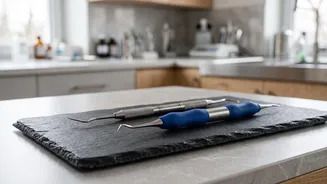
While at-home checks are vital for early detection, they can't replace a professional veterinary examination. Your vet can perform a thorough oral exam, often under anaesthesia, which allows them to see problems below the gum line that aren't visible to the naked eye. Using specialised tools and dental X-rays, they can assess the full extent of any disease, measure bone loss, and identify painful issues like tooth root abscesses. A professional cleaning removes the hardened tartar that home brushing can't, both above and below the gums, effectively halting the progression of gingivitis.
Prevention Is the Best Medicine
Regularly inspecting your pet's mouth is an easy and free preventative measure. When combined with at-home dental care like daily brushing with pet-safe toothpaste, dental chews, and a healthy diet, it forms a powerful defence against gum disease. Catching problems early not only prevents your pet from experiencing chronic pain but can also save you from costly emergency procedures down the line. Ultimately, taking a proactive approach to your pet's dental health is a simple act of love that enhances their comfort, well-being, and quality of life.