





The Promise of a Plant from the Sea
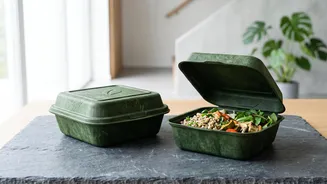
Imagine a takeout container that, after you’ve finished your meal, simply melts away in your home compost bin within weeks, leaving no toxic trace. This isn't science fiction; it's the reality promised by algae-based packaging. Unlike petroleum-based
plastic, which can linger for centuries, this alternative is derived from seaweed, a type of marine algae. The process involves extracting natural polymers like alginate and carrageenan from the seaweed. These are then processed into various forms, from flexible films that can replace plastic wraps to grease-proof coatings for paper boxes and even rigid containers. The key advantage is its biodegradability. Because it's a natural material, it breaks down harmlessly, returning to the ecosystem without creating harmful microplastics.
India's Homegrown Innovators
Several Indian startups are at the forefront of this movement. Mumbai-based Zerocircle, founded by Neha Jain, is a notable player, creating home-compostable and even marine-degradable packaging from locally sourced seaweed. The company has already partnered with major food delivery platforms like Swiggy and Zomato for pilot projects, replacing plastic-lined burger boxes with their seaweed-coated, microplastic-free alternatives. Another key innovator is the Bengaluru-based Sea6 Energy. Originally focused on mechanizing ocean farming, the company is developing a range of bioplastic products, including compostable films, grease-proof coatings, and water-stable straws that don't get soggy like their paper counterparts. Pune-based Go Do Good is another startup combining seaweed with agricultural waste to create unique packaging materials.
More Than Just an Eco-Friendly Box
The benefits of this green technology extend far beyond just reducing landfill waste. Seaweed cultivation is inherently sustainable. It doesn't require freshwater, arable land, or chemical fertilizers to grow. In fact, as it grows, seaweed absorbs significant amounts of carbon dioxide from the atmosphere, helping to de-acidify oceans and fight climate change. Furthermore, developing a robust seaweed industry presents a major economic opportunity for India's extensive coastal communities. By working directly with local seaweed farmers in states like Gujarat and Tamil Nadu, these startups are helping to create sustainable livelihoods and build a circular, ocean-positive economy. The Indian government is also providing a push, with initiatives like the Pradhan Mantri Matsya Sampada Yojana aiming to significantly scale up seaweed production.
The Hurdles on the Path to Mainstream
Despite its immense potential, algae packaging faces significant challenges before it can truly replace plastic on a mass scale. The primary obstacle is cost. Currently, producing seaweed-based packaging is more expensive than its petroleum-based equivalent, though companies like Zerocircle expect to bring costs down as they scale. Scalability itself is another hurdle. Meeting the colossal demand of the packaging industry requires massive cultivation and processing infrastructure, which is still in its early stages. Finally, there's performance. While innovations are constantly improving durability, early versions of some algae-based materials may not match the strength or barrier properties of conventional plastic, particularly for liquids or products requiring a long shelf life. Consumer education and developing efficient waste collection systems for composting are also critical for success.