








The 'Islamic-Friendly' Gym
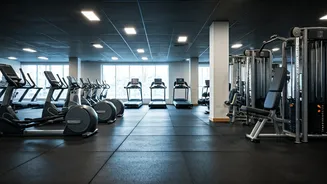
In Palakkad, Kerala, a gym owner announced renovations to create what he termed an 'Islamic-friendly' fitness center. The proposed model included a set of specific rules: no music would be played, separate workout timings would be allotted for men and
women, and trainers would also be gender-segregated. The promotional video, which quickly went viral before being taken down, also suggested that female members would be expected to follow Islamic dress codes, including the hijab, while exercising. The owner, Nawaz Muthu, stated the concept was aimed at individuals, particularly women, who felt uncomfortable in conventional mixed-gender gyms for religious or personal reasons.
An Argument for Inclusive Spaces
Supporters of the initiative argue that it promotes fitness by creating a welcoming environment for those who would otherwise avoid gyms altogether. The owner clarified that the term 'Islamic-friendly' referred to the gym's operational guidelines, not the religion of its members, stating that people of all faiths were welcome as long as they agreed to the rules. The logic presented is that such spaces cater to a specific need within the community, enabling more people to pursue a healthy lifestyle without compromising their cultural or religious comfort. This viewpoint frames the gym not as an act of exclusion, but as an expansion of choice in a diverse market where different consumer preferences coexist.
Accusations of Regression and Division
The announcement drew immediate and widespread criticism on social media and from activists. Critics have labeled the concept as regressive, discriminatory, and a step backward for gender equality. They argue that promoting gender segregation and specific dress codes in a public commercial establishment reinforces stereotypes and could foster communal division. Concerns were raised that such branding, whether intentional or not, could alienate other communities and undermine the secular fabric of public life. Some commentators questioned the constitutionality of a commercial business operating under what were perceived as religious mandates rather than secular laws.
Why This Debate is 'Unique'
Unlike typical fitness controversies centered on dangerous exercises or dubious supplements, this debate is uniquely socio-cultural. It touches on the sensitive intersection of religious freedom, personal choice, women's agency, and the nature of public spaces in a modernizing India. The controversy isn't about how to lift a weight, but about the environment in which one lifts it. It forces a conversation about whether accommodation for religious preferences in a commercial setting is a form of progressive inclusion or a slide toward social segregation. While some see it as providing a needed 'third space' for a specific community, others see it as a challenge to the integrated, shared spaces that define a secular society.
The Bigger Picture for Indian Fitness
This incident in Kerala reflects a larger, ongoing negotiation across India where tradition, faith, and modernity collide. The fitness industry, once a largely uniform space, is becoming more specialized. This debate highlights a growing demand for personalized and community-specific wellness experiences. As the Indian fitness market matures, it is moving beyond just physical health to encompass mental and social well-being. The question that emerges from the Palakkad controversy is how to balance creating niche, comfortable environments with the principle of universal, open access. The outcome of this discussion could influence how businesses across the country navigate the complex tapestry of cultural and religious identities in their service offerings.