






The Reality of Monsoon Travel Troubles
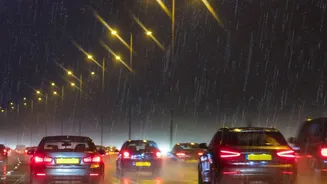
The Indian monsoon, while beautiful, is notoriously unpredictable. Heavy rainfall can trigger a domino effect of travel problems. Airlines often face delays or cancellations due to poor visibility and waterlogged runways. This can lead to missed connections,
forfeited hotel bookings, and wasted tour payments. Roads in hilly and remote areas may become impassable due to landslides, and destinations can be subject to flooding. Unlike disruptions caused by airline faults, carriers are often not obligated to compensate you for meals or accommodation when weather is the culprit, as it's considered an event beyond their control. This is where travel insurance is designed to step in as a financial buffer.
When Insurance Can Be a Lifesaver
A comprehensive travel insurance policy can be a powerful tool against monsoon disruptions. The key benefits are Trip Cancellation, Trip Interruption, and Travel Delay. If severe weather, like a major flood, makes your destination uninhabitable or causes your airline to cease services for an extended period (often 24 hours), you may be able to cancel your trip and get reimbursed for prepaid, non-refundable costs. Trip Interruption coverage applies if you're already on your holiday and a mandatory evacuation is ordered, or if your hotel is rendered unusable by a flood. This can cover the unused portion of your trip and even extra costs to get home.
Understanding Delays and Medical Cover
Perhaps the most common issue is a simple delay. If your flight, train, or cruise is held up by bad weather for a specified period (typically 3 to 12 hours, depending on the policy), Travel Delay coverage can reimburse you for reasonable expenses like meals, refreshments, and unexpected hotel stays. Beyond logistics, the rainy season can bring health risks, including water-borne diseases or injuries from slips. Travel insurance with medical benefits can cover emergency treatment and, crucially, medical evacuation if you're in a remote area without adequate healthcare facilities.
The Fine Print: What Is Not Covered?
Insurance isn't a magic wand for any weather-related inconvenience. A standard policy will not cover you if you simply decide to cancel your trip because the forecast looks dreary or a few days of rain are predicted. Coverage is typically triggered only by major disruptions, like a complete shutdown of transportation. The most critical exclusion is the 'foreseeable event' clause. If a cyclone is named or a severe flood warning is issued before you purchase your policy, any claim related to that event will almost certainly be denied. This is why it is crucial to buy insurance as soon as you book your trip, not when you see bad weather on the horizon.
Boosting Your Protection with Add-Ons
For travellers who want maximum flexibility, the 'Cancel for Any Reason' (CFAR) upgrade is worth considering. This optional add-on, which can increase your premium significantly, allows you to cancel your trip for reasons not covered by a standard policy, including simply changing your mind due to a poor weather forecast. Typically, CFAR will reimburse a substantial portion, often 50% to 75%, of your non-refundable trip costs. However, this upgrade usually needs to be purchased within a short window, like 14 to 21 days, of your initial trip payment.
Tips for Choosing and Using Your Policy
When buying a policy for monsoon travel, read the details carefully. Check the minimum delay time required for benefits to activate and the daily limits for reimbursement on food and lodging. If you need to make a claim, documentation is everything. Keep all receipts for extra expenses. Get official confirmation from the airline or railway operator detailing the cause and duration of the delay or cancellation. Without this proof, your claim will be difficult to process. The process involves notifying your insurance provider promptly and submitting the required paperwork within the specified time frame.