



The New Culinary Conversation
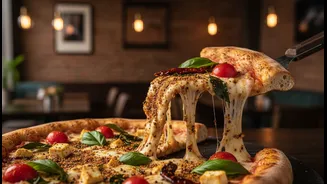
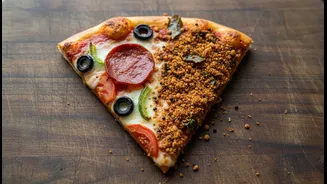
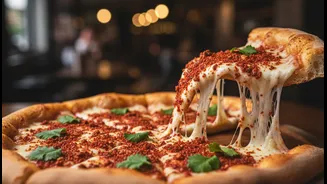
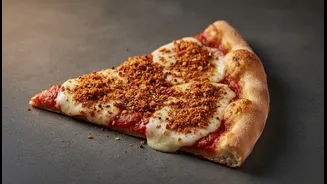
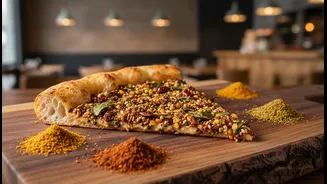
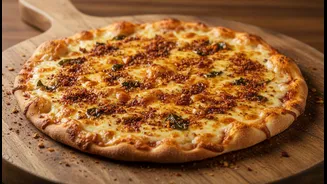
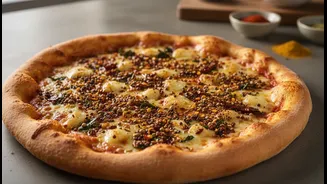
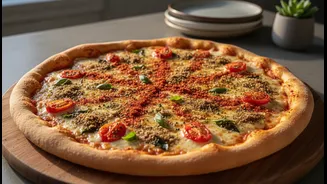
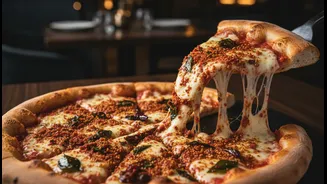
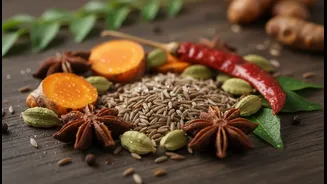
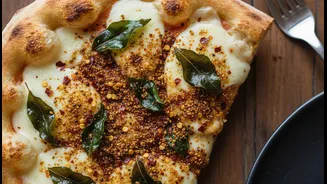
At cafes and in cloud kitchens across India, a delicious experiment is underway. Chefs are taking familiar, beloved formats and infusing them with distinctly Indian flavours. The star of the moment is arguably the podi pizza, where the spicy, dry chutney
powder from Southern India meets the Italian-American classic. But it's part of a much larger movement that includes everything from tandoori pasta and butter chicken baos to gulab jamun cheesecakes. This isn't just about mixing and matching ingredients randomly; it's a deliberate and creative culinary dialogue. This practice, sometimes called 'glocalization', involves adapting global products to local tastes, a strategy that has seen success in India for decades. What's new is the grassroots nature of this trend, driven by independent chefs and a curious dining public.
A Global Palate with a Local Heart
Millennials, more than any generation before them, have grown up with a truly global perspective. Thanks to the internet, travel, and international media, their palates are adventurous and open to new experiences. Yet, there is also a simultaneous yearning to connect with their own heritage. Food becomes the perfect medium for this. It allows for an exploration of identity that is both personal and shared. A podi pizza, for example, offers the thrill of a global comfort food combined with the nostalgic taste of home. It’s a dish that speaks to a generation that navigates multiple cultural identities seamlessly. It satisfies a craving for novelty without sacrificing the comfort of tradition. This generation doesn't see a conflict between the global and the local; they see an opportunity for a delicious synthesis.
Food as an Expression of Identity
For many young Indians, choosing what to eat has become a form of self-expression. Ordering a podi pizza or a masala macchiato is a statement. It says, 'I am modern, I am globally aware, and I am proud of my Indian roots.' These fusion dishes represent a confident, cosmopolitan Indian identity that is comfortable reinventing tradition. The very concept of 'authenticity' is being redefined. It no longer means preserving a recipe in its exact historical form. Instead, authenticity is about the genuine and creative use of traditional flavours in new and exciting contexts. Fusion food isn't seen as a betrayal of tradition, but rather as its living, breathing evolution. It’s a way of keeping heritage relevant and exciting for a new era.
Engineered for the Instagram Age
It’s impossible to discuss modern food trends without mentioning social media. Cross-cultural dishes are often incredibly photogenic. The vibrant colours, surprising combinations, and unique presentation make them perfect for platforms like Instagram. A sprinkle of bright red podi on melted cheese, or the unusual sight of a 'Naan-Taco', is designed to be shared. This visual appeal creates a powerful feedback loop: people see intriguing food online, they seek it out, share their own pictures, and amplify the trend. The desire for new and shareable experiences is a significant driver of culinary innovation, pushing chefs to create dishes that are as visually stimulating as they are flavourful.
The Adventurous Eater
Underlying this entire phenomenon is a simple psychological trait: openness to new experiences. Research suggests that individuals who are more adventurous are more likely to enjoy novel and intense flavours, including spicy and sour tastes often found in fusion cuisine. Millennials, as a demographic, have shown a greater willingness to experiment with their food compared to previous generations. They view food as an adventure, a way to escape routine and explore the world through taste. This curiosity is a key ingredient in the success of cross-cultural culinary experiments. The demand for something new and exciting fuels the supply, encouraging chefs and restaurants to keep pushing the boundaries of flavour.