
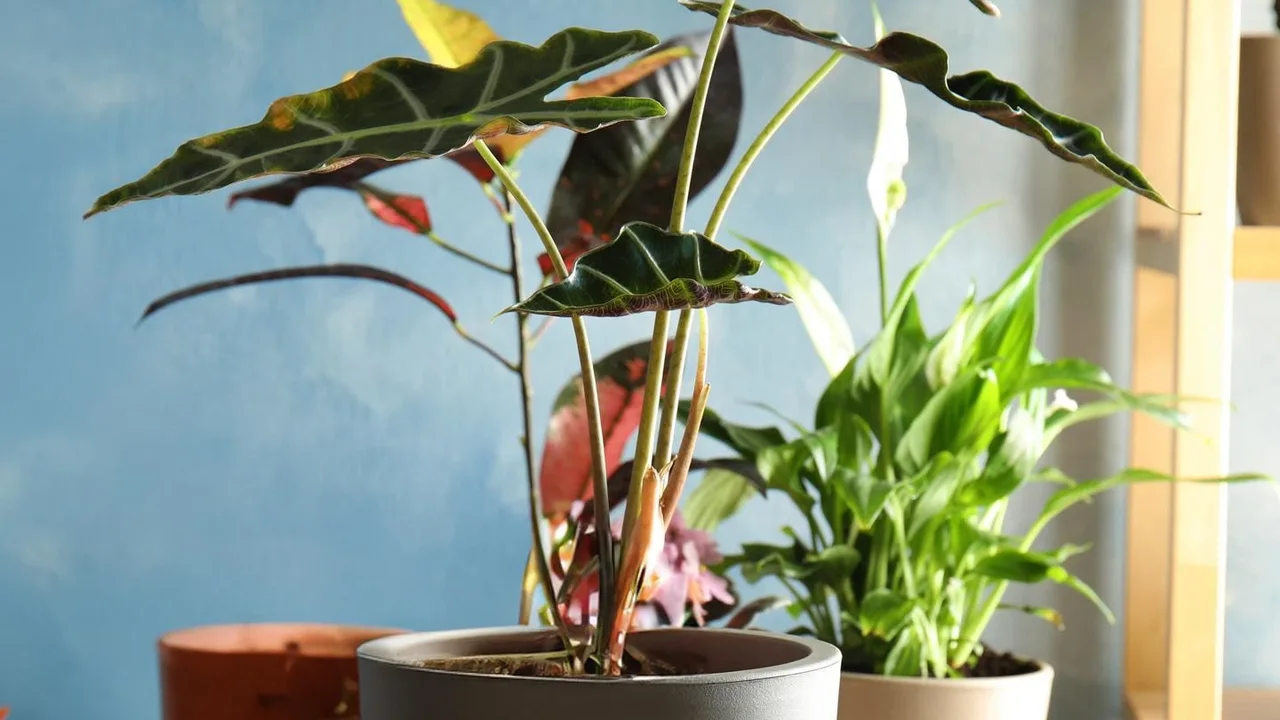

Why Your Brain Craves Greenery
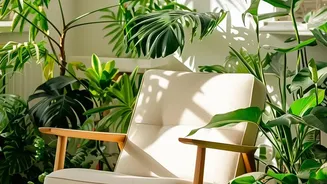
There's a scientific reason why a touch of green feels so good: it's called biophilia, our innate human instinct to connect with nature. In a work-from-home environment dominated by artificial light and digital screens, this connection is more important
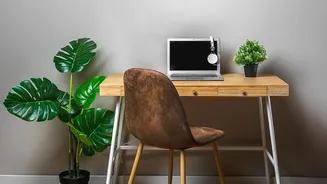
than ever. Integrating natural elements into your home office isn't just about aesthetics; it's about creating a space that actively supports your well-being. Studies consistently show that exposure to plants and other natural elements can lower stress hormones like cortisol, improve your mood, and even enhance concentration by up to 15%. In short, your brain is hardwired to find nature restorative, and bringing plants indoors is a direct way to feed that need.
More Than Just Decoration
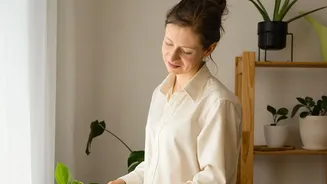
While plants are beautiful decor, their benefits run much deeper. Many common houseplants are excellent at purifying the air by filtering out common volatile organic compounds (VOCs) that can be emitted by furniture, electronics, and paint. This creates a healthier physical environment to complement the mental benefits. Furthermore, the simple act of caring for a plant—watering it, checking its leaves, watching it grow—provides a mindful, screen-free break in your day. This gentle ritual can help punctuate long hours of focused work, reduce mental fatigue, and ground you in the present moment, offering a tangible counterbalance to the abstract world of emails and video calls.
Start Simple: The 'Unkillable' Plants
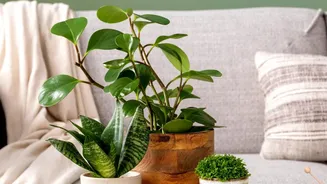
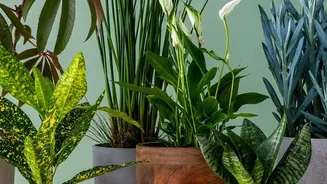
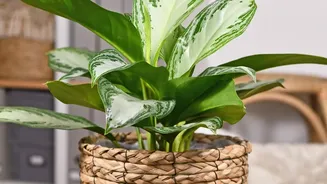
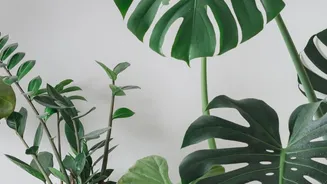
The key to starting is to choose plants that are forgiving and suited to Indian homes. You don't need a green thumb to succeed with these hardy varieties. The Snake Plant (Sansevieria) is famously tough, tolerating low light and infrequent watering. Golden Pothos, or Money Plant, is another favourite in India; its trailing vines are highly adaptable and grow well even with minimal care. For a truly low-maintenance option, the ZZ Plant (Zamioculcas zamiifolia) is perfect, thriving in low-light conditions and requiring water only when its soil is completely dry. Starting with one or two of these easy-care plants builds confidence and makes the hobby feel joyful rather than like a chore.
Smart Solutions for Small Spaces
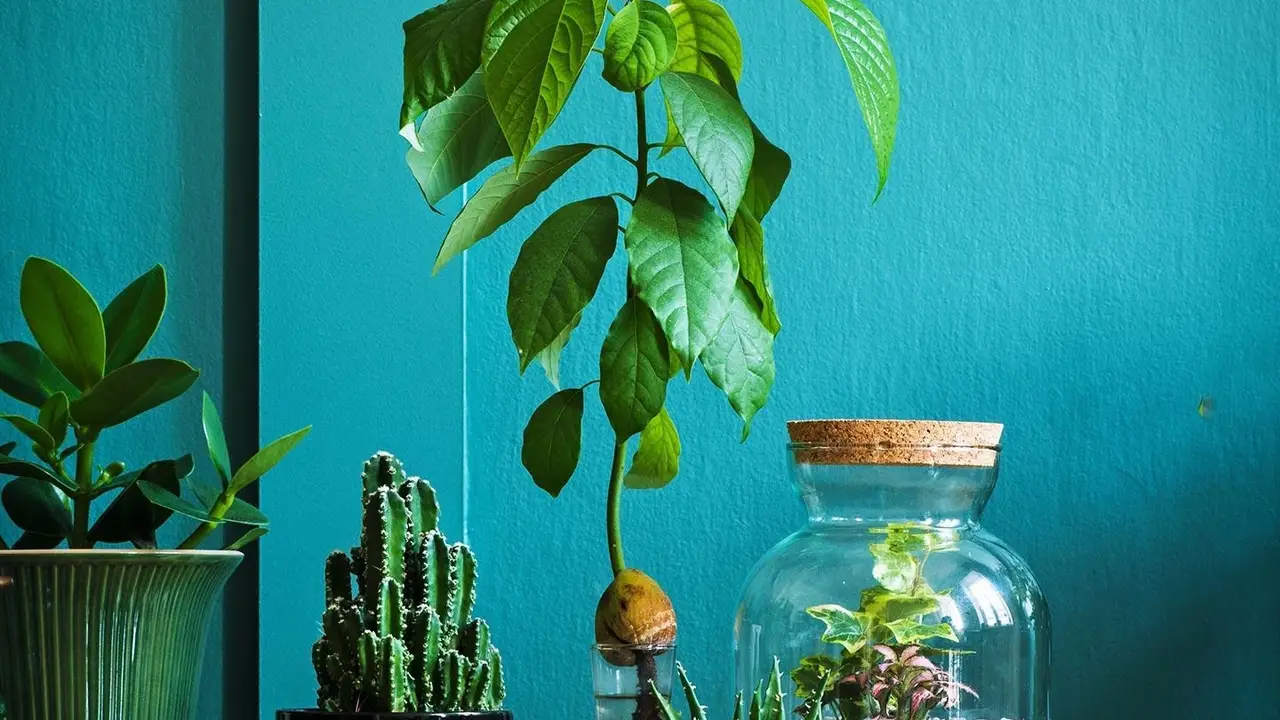
Living in a cramped apartment doesn't mean you can't create a lush indoor oasis. The trick is to think vertically. Instead of taking up precious floor space, use your walls and windows. Hanging planters are perfect for trailing plants like Pothos or Spider Plants, creating a beautiful cascading effect. Windowsills are prime real estate for sun-loving herbs or small succulents. You can also install simple shelves to create a 'plant wall' or use specialized corner planters to turn an unused nook into a green feature. Grouping several small plants together can also create a strong visual impact without a large footprint. By getting creative with placement, you can incorporate a surprising amount of greenery into even the smallest of homes.
A New, Healthier Routine
Ultimately, indoor gardening is about restoring balance not just to your physical space, but to your daily rhythm. The modern workday can feel like an endless stream of digital demands, blurring the lines between work and rest. Building a small plant care routine into your day—a few minutes in the morning to check the soil, a moment in the afternoon to admire a new leaf—is a powerful act of disconnection. It encourages you to step away from the keyboard, engage your senses, and connect with something tangible and alive. This simple practice fosters mindfulness and helps combat the burnout that can come from a tech-heavy, indoor-bound lifestyle, turning your home office from a place of stress into a sanctuary for both productivity and peace.