




The 'Bharat' Brand Initiative Explained
The 'Bharat' brand is a Central government initiative designed to tackle food inflation and provide essential commodities to consumers at affordable, subsidised rates. Launched by the Ministry of Consumer Affairs, Food & Public Distribution, this scheme
aims to increase the supply of key staples in the open market, thereby helping to control rising prices. Unlike the Public Distribution System (PDS), which is targeted at specific ration card holders, Bharat brand products are available for sale to the general public. The primary items under this brand are 'Bharat Atta' (wheat flour), 'Bharat Rice', and 'Bharat Dal' (chana dal), which are sold at prices significantly lower than their market counterparts. This direct market intervention helps ensure that all consumers, regardless of their ration card status, can access essential food items without feeling the full pinch of inflation.
The Price Advantage: Atta vs. Rice
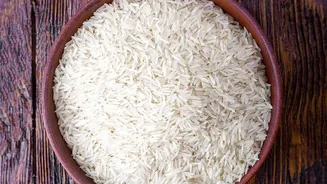
The most compelling feature of the Bharat brand is its aggressive pricing. Bharat Atta is sold at a maximum retail price (MRP) of ₹27.50 per kilogram. This offers substantial savings compared to the average open market price of wheat flour, which can range from ₹36 to ₹70 per kg depending on the region and quality. Similarly, Bharat Rice is priced at a subsidised rate of ₹29 per kilogram. This was introduced to counter a significant rise in retail rice prices, providing a much-needed affordable alternative. The government also offers other essentials like Bharat Dal (chana dal) at ₹60 per kg and, at times, onions at ₹25 per kg to provide comprehensive relief to household budgets.
Pack Sizes for Every Family
To cater to the varying needs of different households, both Bharat Atta and Bharat Rice are available in convenient, family-friendly pack sizes. Consumers can purchase both staples in 5 kg and 10 kg bags. This standardisation makes it easy for families, small or large, to purchase quantities that suit their monthly consumption patterns without having to buy loose products or overly large sacks. The availability in these common weights ensures broad appeal and makes storage manageable for the average household. The packaging clearly features the 'Bharat' branding, making it easily identifiable for consumers at retail points.
Where to Find Bharat Staples
The government has established a wide distribution network to ensure these subsidised staples reach as many people as possible. Bharat Atta and Rice are sold through the physical and mobile outlets of three main cooperative agencies: the National Agricultural Cooperative Marketing Federation of India (NAFED), the National Cooperative Consumers' Federation of India (NCCF) and Kendriya Bhandar. To improve accessibility, especially in areas without a nearby outlet, hundreds of mobile vans have been deployed across the country to sell these products directly to consumers. In addition to these primary channels, there are plans to expand availability to other retail chains and even e-commerce platforms, which will make it even more convenient for the public to purchase them.
Quality and The Bigger Picture
Beyond affordability, the government aims to provide quality products. Bharat Rice, for example, is often fortified with essential nutrients like iron, folic acid, and Vitamin B12, making it a healthier choice for consumers. The scheme serves a dual purpose: it provides relief to consumers while also ensuring that food grains procured from farmers under the Minimum Support Price (MSP) are effectively utilised. By releasing these stocks into the market under the 'Bharat' brand, the government can manage its buffer stocks, stabilise the food economy, and directly support the welfare of both farmers and the general public. It's a key part of a broader strategy to ensure food security and keep household expenses in check.