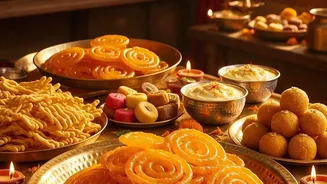


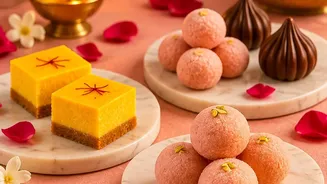
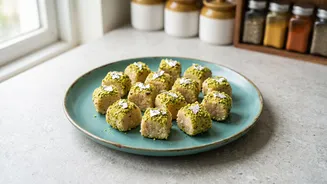
The guests have gone, the diyas have dimmed, but the delicious legacy of Diwali remains in our kitchens. Here’s how to safely store those treasured sweets and savouries, ensuring they stay fresh, flavourful, and safe for everyone to enjoy.
The First Step: Sort and Separate
Before you even
think about containers, the first rule is to segregate your leftovers. Storing different types of mithai together is a common mistake. Moisture can transfer from moist sweets like barfi to dry ones like besan ladoos, making the latter soggy and spoiling their texture. Create separate categories: milk or mawa-based sweets (like kalakand, milk cake), ghee and nut-based sweets (kaju katli, ladoos), syrupy sweets (gulab jamun), and dry savoury snacks (chakli, mathri). This prevents flavours from mixing and addresses the unique shelf life of each item. Use this opportunity to inspect everything and discard anything that smells or looks off.
Handle Milk and Mawa Sweets with Urgency
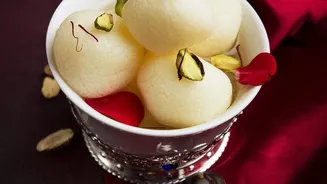
Sweets made from milk, khoya (mawa), or chhena—such as pedas, kalakand, and most Bengali mithai like sandesh and rasmalai—are highly perishable. They have a high moisture content, making them a breeding ground for bacteria if left at room temperature for too long. These items must be refrigerated promptly, ideally within two hours of being out. Store them in clean, airtight containers and place them on a shelf inside the fridge, not on the door where temperatures fluctuate. For best quality and safety, plan to consume these delicate sweets within two to four days.
Ghee, Flour, and Nut Sweets Have Staying Power
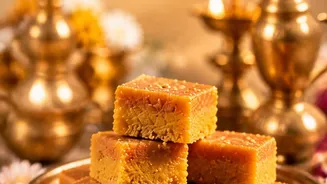
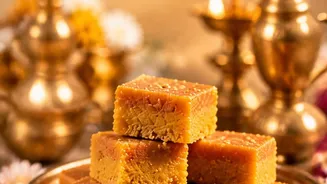
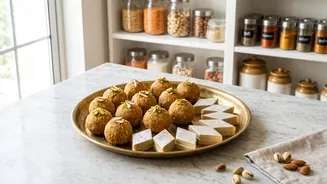
Mithai with a base of ghee, flour (like besan or atta), and nuts have a naturally longer shelf life. This category includes favourites like besan ladoos, kaju katli, mysore pak, and most barfis. These sweets are best stored at room temperature in a cool, dry place away from direct sunlight. The key is using an airtight container, as exposure to air and humidity is their biggest enemy, causing them to go stale or rancid. Properly stored, these can last for a week or even longer. For extended life, you can refrigerate them, but always bring them back to room temperature before serving to restore their texture.
Keep Savoury Snacks Crisp and Crunchy
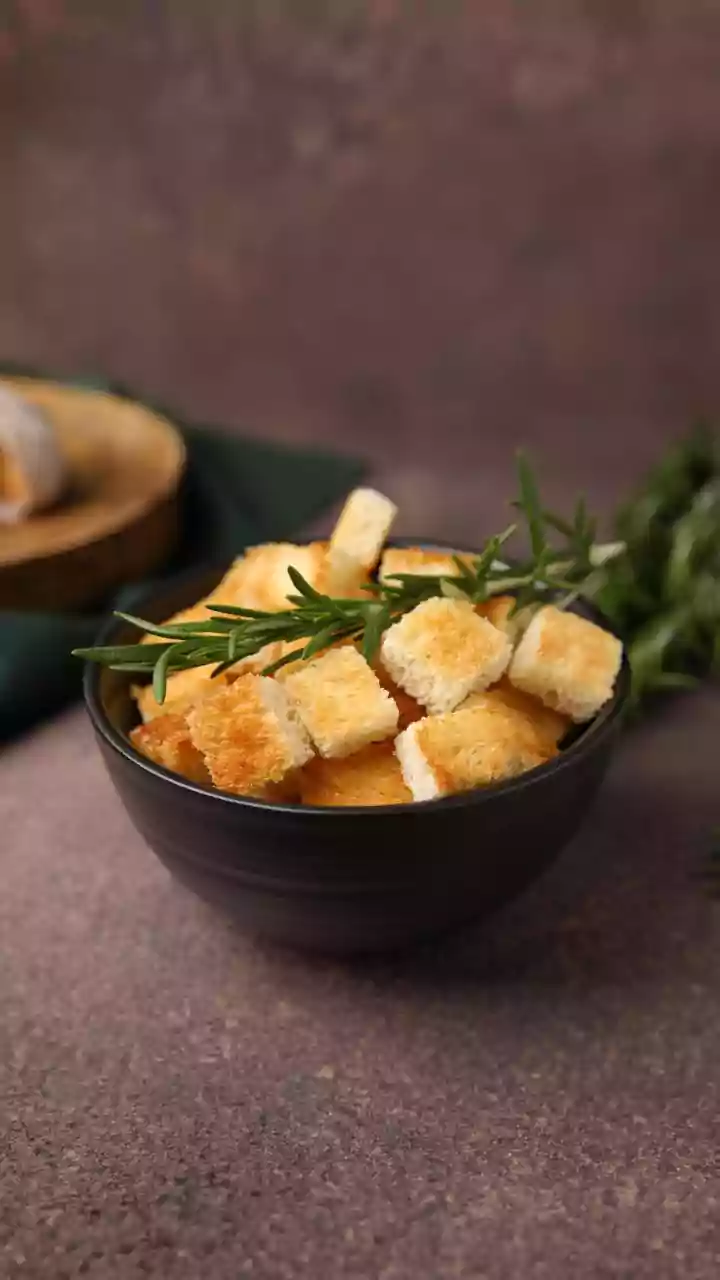
For homemade namkeen like chakli, sev, and mathri, the goal is to fight moisture at all costs. Before storing, ensure they have cooled down completely; packing them while still warm will trap steam and lead to sogginess. An airtight container is non-negotiable. Glass jars or stainless steel tins are excellent choices. For extra protection in humid weather, you can place a small, breathable pouch of uncooked rice or a food-safe silica gel packet inside the container to absorb any excess moisture. Never refrigerate fried snacks, as the cold temperature will ruin their crunchy texture.
Use Your Freezer for Long-Term Storage
Don't let your hard work go to waste. Freezing is a fantastic option for many types of sweets, especially ladoos, barfis, and other ghee-based items. Sweets with a syrupy or very high milk content, like rasgulla or kalakand, generally don't freeze well as their texture can be ruined upon thawing. To freeze correctly, wrap individual pieces in parchment paper or plastic wrap and then place them in a freezer-safe airtight container or a zip-lock bag. This prevents freezer burn and flavour transfer. They can be stored this way for up to a month. To serve, thaw them slowly in the refrigerator overnight, not at room temperature.