






In the quest for a healthy diet, fruit is a non-negotiable. But the choices can be confusing. Is a juicy pear better than a tropical pineapple? And does it matter if you eat it whole or just drink the juice? Let's break it down.
The Whole Fruit vs. Juice Debate
Before comparing pineapple
and pear, it’s crucial to understand the fundamental difference between eating fruit whole and drinking its juice. When you eat a whole fruit, you consume everything: the flesh, the skin, and most importantly, the fiber. Fiber is a game-changer for digestion and health. It slows down the absorption of sugar into your bloodstream, preventing the sharp spikes and subsequent crashes that can happen after consuming concentrated sugar. Juicing, on the other hand, extracts the liquid and leaves most of this beneficial fiber behind. While juice still contains vitamins and minerals, it delivers a much more concentrated dose of sugar without the fiber to buffer its impact. This makes whole fruit the clear winner for managing blood sugar and promoting satiety.
Pineapple: The Tropical Vitamin C Powerhouse
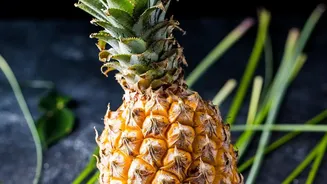
Pineapple is famous for its vibrant, sweet-tart flavour and impressive nutritional profile. Its standout nutrient is Vitamin C; a single serving can provide a significant portion of your daily recommended intake, which is essential for a robust immune system. Pineapple is also a great source of manganese, a mineral vital for bone health and metabolism. But its most unique component is bromelain, a complex of enzymes known for its anti-inflammatory properties and ability to aid in protein digestion. Research suggests bromelain can help reduce swelling and may support recovery from injuries. However, the concentration of bromelain is highest in the core and stem, and some of it is lost during the juicing process.
Pear: The Gentle Fiber Star
Pears often fly under the radar, but they are a nutritional heavyweight, especially when it comes to fiber. A single medium-sized pear can provide around 6 grams of dietary fiber, which is about 21% of the daily recommendation. This makes pears excellent for digestive health, helping to maintain regularity and feed beneficial gut bacteria. They are considered a low-glycemic fruit, meaning they have a gentler effect on blood sugar levels. Pears also offer a good amount of Vitamin K, essential for bone health, and minerals like potassium and copper. Because of their mild nature and high fiber content, they are often recommended for sensitive stomachs. Remember to eat the skin, as it contains a high concentration of antioxidants.
The Sugar and Calorie Comparison
When comparing equal portions, whole pineapple and whole pear have similar calorie counts, with pineapple being slightly lower. Their sugar content is also quite close. However, the story changes with juice. A cup of pineapple juice can contain significantly more sugar and calories than a cup of fresh pineapple chunks. The same principle applies to pear juice, which concentrates the fruit's natural sugars, including sorbitol, which can have a laxative effect in large quantities. The main difference in the whole fruits lies in their glycemic index (GI), which measures how quickly a food raises blood sugar. Pears have a low GI of around 38, while pineapple's is higher, at about 59-66. This makes pears a more suitable choice for individuals closely monitoring their blood sugar.
Vitamins, Minerals, and Unique Benefits
Your health goals might determine which fruit you reach for. If you're looking to boost your immune system, especially during cold season, pineapple's high Vitamin C content makes it a superior choice. For digestive regularity and gut health, the high fiber content in pears gives them the edge. Pineapple's unique enzyme, bromelain, offers anti-inflammatory benefits you won't find in a pear. Both fruits provide valuable potassium, which is important for heart health and fluid balance. Ultimately, both fruits offer distinct advantages, and a varied diet that includes both is the best approach.