



A New Era of Speed and Comfort
Forget any outdated notions of slow, crowded carriages. Indian Railways is undergoing a significant transformation. The introduction of modern, semi-high-speed trains like the Vande Bharat and Tejas Express has revolutionised short-distance travel. These
trains connect major cities in significantly less time, with some Vande Bharat services designed to operate at speeds up to 160-180 km/h. They offer airline-style amenities such as clean, modern interiors, comfortable seating, onboard catering, and Wi-Fi connectivity, making the journey itself a pleasant part of the holiday. This modernisation push means you can now reach destinations like Jaipur from Delhi in under four hours or Dehradun in just over five, making a mountain getaway a real weekend possibility.
The Unbeatable Cost Advantage
One of the most compelling reasons to choose trains is the significant cost savings. When planning a short holiday, every rupee saved on travel can be spent on experiences at the destination. A train ticket is often a fraction of the price of a flight, especially when booking closer to the travel date. But the savings don't stop at the base fare. Train travel eliminates the extra costs associated with flying, such as expensive taxis to airports located far outside city centres, exorbitant baggage fees, and pricey airport food. For example, a round trip on the Vande Bharat from Delhi to Varanasi can save you thousands of rupees compared to flying, once all costs are factored in. This makes budget-friendly trips not just possible, but easy to plan.
Travel Time vs. 'Total Journey' Time
A one-hour flight might seem faster than a five-hour train ride, but this comparison is often misleading. The true measure is the 'door-to-door' travel time. Air travel requires you to leave for the airport hours in advance, navigate check-in and security lines, wait for boarding, and then travel from the destination airport into the city. When you add it all up, a short flight can easily consume four to five hours of your day. In contrast, railway stations are almost always centrally located, allowing you to arrive just 30 minutes before departure. For routes under 350-400 kilometres, like Mumbai-Pune, the train is often faster door-to-door, and significantly less stressful.
The Journey as Part of the Experience
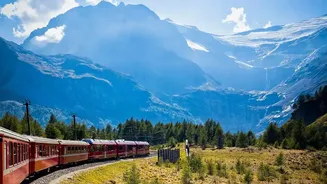
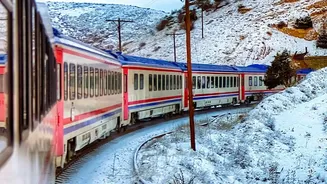
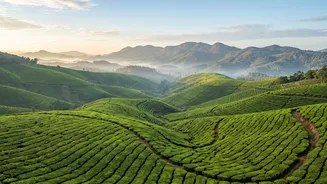
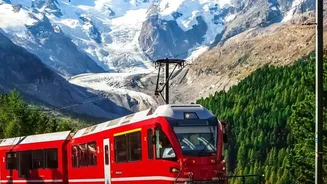
Beyond the practicalities of time and money, train travel offers a richer, more relaxing experience. It allows you to disconnect and enjoy the journey itself. The large windows of a train offer a constantly changing panorama of the Indian landscape, from lush green fields to bustling towns—a view you simply don't get from 30,000 feet. This visual connection to the countryside can be a meditative and restorative experience. Furthermore, the journey provides uninterrupted time to read, work, chat with fellow travellers, or simply unwind. Unlike the confined space of an airplane, the ability to walk around and stretch your legs adds a level of comfort that makes the holiday feel like it starts the moment you board.
Connecting to India's Hidden Gems
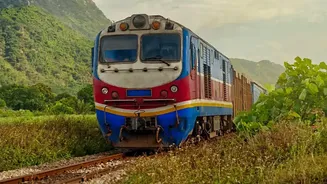
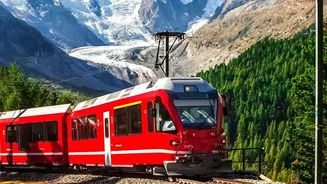
India's extensive rail network is its backbone, connecting the length and breadth of the country. This vast reach is a huge advantage for travellers looking to explore beyond the major metropolitan hubs. Trains can take you to charming smaller towns and offbeat destinations that don't have airports, opening up a world of possibilities for unique short holidays. Consider the famous toy trains to hill stations like Shimla or Matheran, which are destinations in themselves, offering breathtaking scenic journeys. Or take a train to a coastal town in Goa or a heritage site like Hampi. By choosing the train, you gain access to a more authentic and diverse slice of India, perfect for creating memorable short trips.