




The Foundation: Smart Container Setup
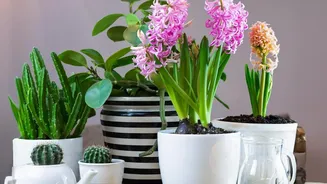
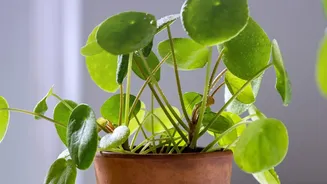
Before you even think about seeds, getting your foundation right is crucial for a thriving container garden. The most important factor for any potted plant is drainage. Ensure your chosen pots—whether terracotta, ceramic, or recycled canisters—have holes
at the bottom to let excess water escape. Stagnant water is the fastest way to cause root rot, a common issue for herbs. For your soil, don't just use regular garden soil, which can become heavy and compacted. Create a light, well-draining potting mix by combining garden soil, cocopeat (which helps retain moisture without becoming waterlogged), and organic compost or vermicompost. This trio provides the perfect balance of drainage, aeration, and nutrients to keep your herb roots happy.
Caring for Sacred Tulsi (Holy Basil)
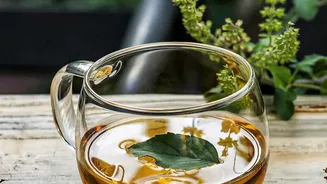
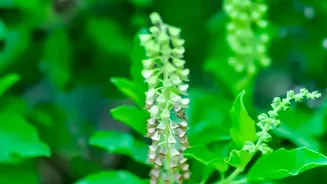
Tulsi is a staple in many Indian homes but can be sensitive to the cold. As a tropical plant, it loves warmth and sun. The first hack for winter care is placement. Find the sunniest spot on your balcony or near a window, ensuring it gets at least 4-6 hours of light. However, protect it from harsh frost by moving it indoors at night if temperatures drop significantly, or by covering it with a cloth. The second hack is managing water. Tulsi needs much less water in winter as its growth slows down. Overwatering is its biggest enemy in the cold, so only water when the top inch of soil feels completely dry. Finally, to encourage a bushier plant, regularly pinch off the top sets of leaves. This stops the plant from growing tall and leggy and promotes fuller growth.
Mastering Prolific Mint (Pudina)
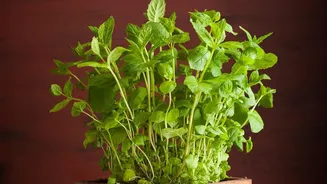
Mint is famously easy to grow—so easy, in fact, that it can quickly become a garden bully. The number one hack for mint is to give it its own container. Its roots are aggressive runners that will happily take over any space they can find, choking out other plants. By keeping it in its own pot, you contain its ambition. Mint is more tolerant of partial shade than Tulsi or Coriander, but it still appreciates a few hours of sun to develop the best flavour and aroma. It prefers consistently moist soil, so don't let it dry out completely. For a continuous supply, harvest frequently by snipping stems an inch from the ground; this encourages the plant to send up fresh, new shoots. You can harvest from a single plant two or three times in a season.
Conquering Coriander (Dhaniya)
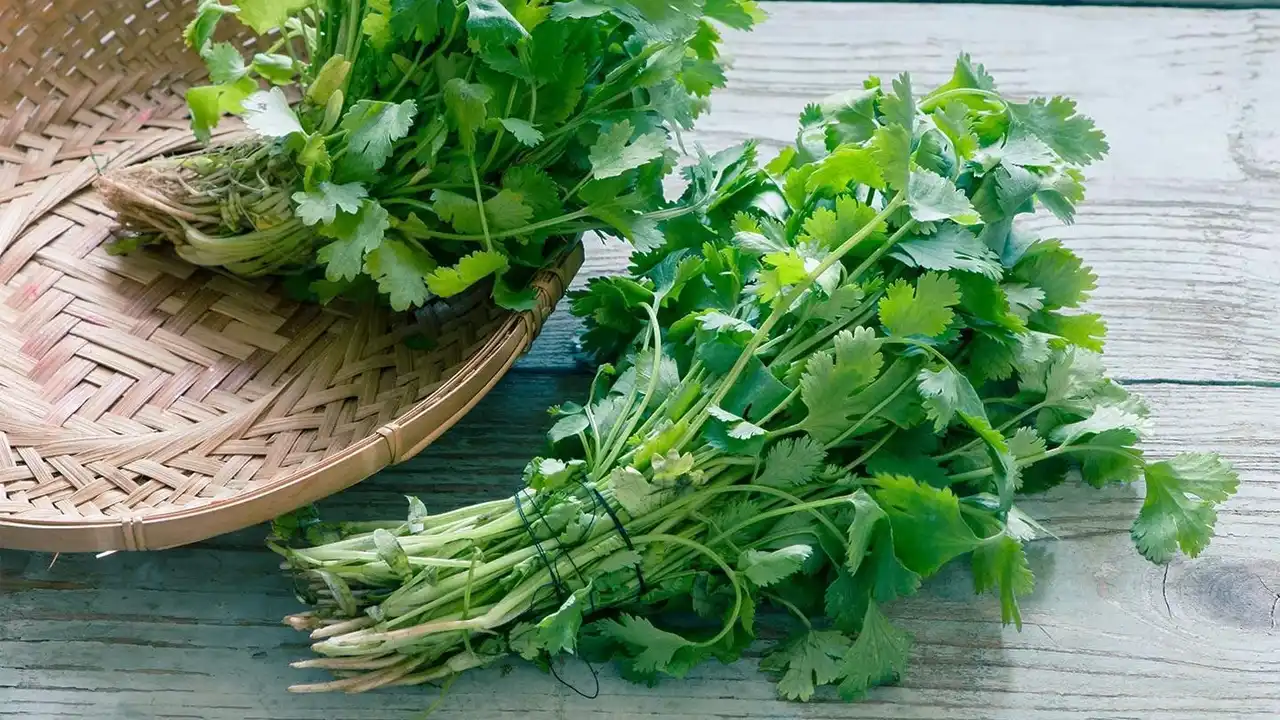
Fresh dhaniya is a must-have, but it can be frustrating to grow as it has a tendency to 'bolt' (flower prematurely), which turns the leaves bitter. The first hack is to choose the right pot. Coriander has a taproot, so it needs some depth, but a wider pot is more beneficial as you can sow more seeds. A container at least 25 cm deep is a good starting point. The second hack is succession sowing. Instead of planting all your seeds at once, sow a small batch every couple of weeks. This ensures you have a continuous harvest. The best time to grow coriander in most of India is during the cooler months from October to February, as heat is a primary trigger for bolting. For better germination, gently crush the whole coriander seeds into two halves before sowing.
Essential Winter Protection Hacks
A few general tricks can help all your container herbs survive and thrive during colder weather. Grouping pots together is a simple but effective hack; clustering them creates a warmer microenvironment and offers mutual protection from cold winds. On particularly frosty nights, especially in North India, you can cover your plants with burlap or a frost cloth. Make sure the cover reaches the ground to trap radiant heat rising from the soil. Another tip is to insulate the pots themselves. You can wrap them in bubble wrap or jute to protect the roots from freezing, as the soil in containers gets much colder than ground soil. Finally, always use room temperature or lukewarm water for your plants in winter, as icy water can shock the root system.