




Bangkok: Mastering the Night Markets
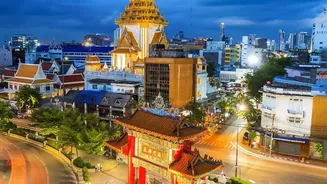
Bangkok's night markets are a feast for the senses, and you don’t need a full wallet to enjoy them. For a modern, trendy experience with great food and shopping, head to Jodd Fairs. For a more local vibe with even lower prices, consider Indy Market or the massive
Srinagarindra Train Night Market for vintage finds. The key to saving money is to eat like a local. A full, delicious meal of Pad Thai or a flavourful basil pork with rice can cost as little as 60-80 THB. To get around, use the efficient and cheap BTS Skytrain or MRT subway systems, with fares for most trips under 60 THB. This is far more economical than relying on tuk-tuks, which are better for a one-off experience than daily transport. Skip the tourist traps and dive into the markets where locals themselves unwind.
The Journey From City to Coast
Getting from the capital to the coastal paradise of Krabi is a classic Thai travel leg with options for every budget. The fastest method is flying. Low-cost carriers like AirAsia and Thai Lion Air frequently offer one-way fares from Bangkok's Don Mueang Airport (DMK) for 1,000-2,000 THB, especially if you book in advance. The flight is a quick 90 minutes. Be mindful that these budget fares often only include carry-on luggage, with extra fees for checked bags. For the truly budget-conscious traveller, the overnight bus is a rite of passage. A ticket from Bangkok's Southern Bus Terminal costs between 500-1,000 THB and takes about 12 hours. While slower, it saves you the cost of one night's accommodation and offers a different kind of travel experience. Another option is a combination of an overnight train to Surat Thani, followed by a bus to Krabi.
Krabi: Island Adventures on a Dime
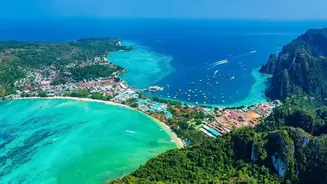
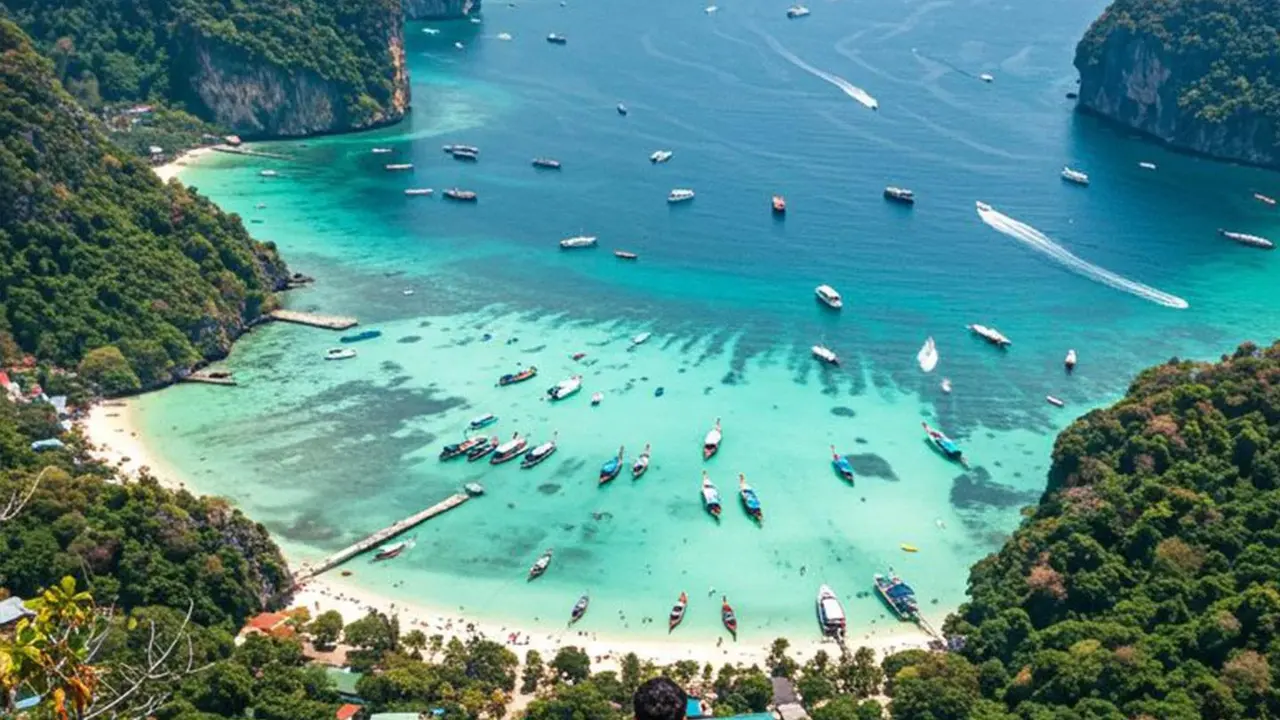
The allure of Krabi lies in its dramatic limestone karsts and turquoise waters, and island hopping is the best way to see it. The popular '4 Islands' tour is a perfect, budget-friendly introduction, covering stunning spots like Phra Nang Cave, Poda Island, Chicken Island, and the Tup Island sandbar. To get the best deal, choose a tour on a traditional long-tail boat instead of a speedboat. Long-tail tours are not only cheaper but offer a more authentic, relaxed pace. You can find group tours for as little as 550 THB, though prices around 1,000-1,200 THB are common and often include lunch and snorkelling gear. It's almost always cheaper to book directly from one of the many tour operators in Ao Nang rather than online or through your hotel. A crucial tip: the National Park fee (around 200-400 THB for adults) is often not included in the tour price and must be paid in cash on the day.
Budget-Friendly Stays and Eats
Across both Bangkok and Krabi, your biggest savings will come from your choices in accommodation and food. Thailand is famous for its affordable and high-quality hostels, with dorm beds often available for 300-600 THB per night. Private rooms in budget guesthouses are also plentiful and provide great value. When it comes to food, street stalls and the food courts inside shopping malls like Terminal 21 are your best friends. Here, you can get a wide variety of authentic Thai dishes for a fraction of the price of a tourist-focused restaurant. For drinks and snacks, the ubiquitous 7-Eleven stores are a traveller's haven, offering everything from water and beer to toasted sandwiches at fixed, low prices. A daily food budget of 300-450 THB per person is very realistic if you stick to these local favourites.
Essential Money-Saving Hacks
A few smart strategies can stretch your baht even further. First, get a local SIM card upon arrival for cheap data, which allows you to use essential apps like Google Maps and ride-hailing services such as Grab or Bolt. Second, when shopping in markets, gentle and polite bargaining is often expected, but it's not appropriate for food or in convenience stores. Third, always opt for public transport like buses and trains in Bangkok for the lowest fares. In Krabi, songthaews (shared pick-up trucks) are the local way to get between beaches like Ao Nang and Krabi Town for a fixed, low price. Finally, carry cash, especially for street food, local markets, and paying for things like National Park fees, where cards are not accepted. By adopting these local habits, you'll not only save money but also have a more authentic travel experience.