




Your Autumn Champions: Mums and Marigolds
Chrysanthemums, or 'Guldavari', and Marigolds, our beloved 'Genda', are the undisputed stars of the autumn garden. Chrysanthemums, known as the 'Autumn Queen', offer a stunning variety of colours and shapes, from pom-poms to daisy-like singles. Marigolds are not
just beautiful; they are deeply woven into Indian culture, symbolising prosperity and divine blessings, making them essential for festive decorations. Both are hardy, relatively easy to grow, and thrive in the cooler weather that sets in from September, making them perfect for October blooms.
The Right Home: Selecting Your Pots
Since we're focusing on small spaces, pot selection is key. Choose containers that are at least 6-8 inches deep to give the roots enough room. Terracotta pots are an excellent choice as their porous nature allows for better air circulation and prevents the soil from becoming waterlogged, a common issue that can lead to root rot. Most importantly, ensure every pot has at least one drainage hole at the bottom. Without proper drainage, your efforts will be in vain.
A Solid Foundation: Perfecting the Potting Mix
Both chrysanthemums and marigolds need well-draining, nutrient-rich soil to flourish. A heavy, compacted mix will restrict root growth and result in fewer flowers. You can create an ideal blend at home that’s light and fertile. A reliable recipe is to mix two parts garden soil, one part organic compost (like cow dung manure or vermicompost), and one part coco peat or sand. The compost provides essential nutrients, while the coco peat or sand ensures the soil stays loose and drains well.
Planting Your Future Blooms
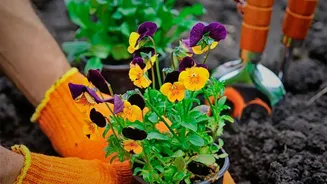
You can start from seeds or, for a quicker result, buy healthy saplings from a local nursery. For marigolds, if planting seeds, sow them about half a centimetre deep. For both plants, if using saplings, dig a hole in your pot that is the same depth as the root ball. Place the plant in the centre, fill the surrounding space with your soil mix, and gently pat it down. Water lightly right after planting to help the roots settle in.
The Daily Ritual: Sunlight and Water
These flowers are sun-lovers. To get a profusion of blooms, your pots need to be placed where they will receive at least five to six hours of direct sunlight each day. A south-facing balcony or windowsill is ideal. When it comes to watering, the rule is to keep the soil moist but never soggy. Overwatering is a common mistake. A good practice is to stick your finger about an inch into the soil; if it feels dry, it's time to water. Water at the base of the plant to keep the foliage dry and prevent fungal diseases.
Encouraging a Riot of Flowers
To get those dense, bushy plants covered in flowers, a little trimming goes a long way. For chrysanthemums, 'pinching' is the secret. When the young stems are about 6 inches tall, simply pinch off the top inch of growth. This encourages the plant to branch out. You can repeat this every few weeks, but it's important to stop pinching by mid-July to allow the plant to form its flower buds for autumn. For marigolds, regularly removing faded or dead flowers, a practice called 'deadheading', tricks the plant into producing more blooms.
Keeping Pests at Bay, Naturally
One of the wonderful things about these flowers is that they are natural pest repellents. The strong scent of marigolds, in particular, is known to deter pests like aphids and whiteflies. Chrysanthemums also contain natural compounds that insects dislike. This built-in defence means you're less likely to have issues. If you do spot any pests, a simple spray of neem oil solution is usually enough to take care of the problem without resorting to harsh chemicals.