



The Soul of Slow Travel
Forget the 5 AM alarms to catch a sunrise you’re too tired to appreciate. Slow travel isn’t about seeing less; it’s about experiencing more. It’s a conscious decision to reject the whirlwind tour in favour of deep immersion. This philosophy encourages
travellers to connect with a single place—its culture, its people, its food, its rhythm—rather than skimming the surface of many. Instead of a packed itinerary dictated by a guidebook, the day’s plan might be as simple as a long walk without a destination, a conversation with a local shopkeeper, or learning how to cook a regional delicacy. It’s about being present, not just being there.
Enter the Artisan Homestay
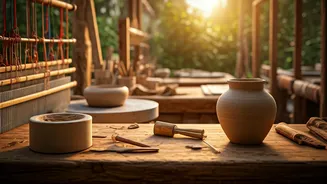
The perfect vessel for this new travel mindset is the artisan homestay. This isn’t just a spare room in someone’s house. These are curated spaces, often run by hosts who are themselves artists, chefs, farmers, weavers, or potters. The ‘artisan’ label signifies a home where a skill, a craft, or a unique way of life is central to the experience. Staying in one is less a transaction and more an apprenticeship in living. You might wake up in a lovingly restored heritage home in Chettinad, a rustic farmstead in the Himalayan foothills of Uttarakhand, or a potter’s cottage in the heart of Rajasthan. The accommodation becomes part of the destination itself, offering an authentic window into the local culture that a sterile hotel room simply cannot provide.
Why the Sudden Craze?
This trend isn't happening in a vacuum. The pandemic acted as a powerful catalyst, forcing a global pause and a re-evaluation of what truly matters. For many urban Indians, the burnout of hustle culture and the isolation of lockdowns created a deep yearning for genuine connection and nature. The shift to remote work has also untethered millions from their office desks, making longer, more immersive stays a real possibility. Travellers are no longer content with the superficial. They are seeking transformative experiences, not just transactional ones. They want their travel money to support local communities directly, and they crave stories and skills to bring home—memories that are felt, not just photographed.
A Day in the Slow Lane
So what does a day at an artisan homestay look like? Imagine waking not to an alarm, but to the sounds of birds outside your window at a coffee plantation in Coorg. Your morning isn’t spent rushing to a tour bus, but learning the art of coffee tasting from your host. The afternoon might involve a guided trek through the surrounding hills, ending with a home-cooked meal made with ingredients plucked from the garden just hours before. In a place like Kutch, you might spend your days learning block-printing or embroidery from the family you’re staying with. The ‘activity’ isn't an item to be checked off a list; it’s the very fabric of the day, woven into the rhythm of the household.
How to Find Your Niche
Finding these gems requires a slight shift in how you search. While some are appearing on mainstream booking platforms, many of the best are discovered through word-of-mouth or niche travel curators. Look for terms like ‘experiential stay,’ ‘farm stay,’ ‘agritourism,’ and ‘sustainable travel.’ Instagram is a powerful tool here; follow slow travel influencers and boutique travel companies that champion these kinds of properties. Don’t be afraid to reach out to hosts directly. Read reviews carefully, not for mentions of thread count, but for descriptions of the host’s hospitality and the authenticity of the experience. The best stays are partnerships between a curious guest and a passionate host.