





A Gardener’s Two-Sided Ally
Derived from the seeds of the neem tree, neem oil is celebrated in organic gardening as a multi-purpose powerhouse. It functions as a pesticide against common nuisances like aphids, spider mites, and mealybugs, and also as a fungicide to combat issues
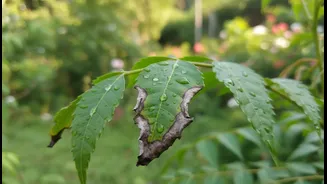
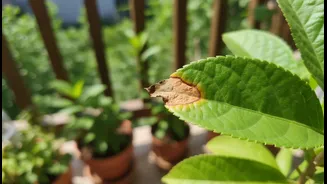
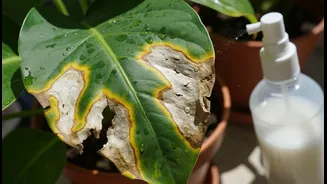
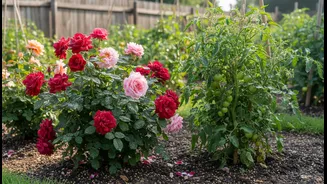
such as powdery mildew. Its active compound, azadirachtin, disrupts the feeding and reproductive cycles of insects without the harsh effects of synthetic chemicals. This makes it an appealing choice for those cultivating herbs, vegetables, and flowers in small urban spaces like balconies. However, this natural oil has a significant downside if misused: it can cause phytotoxicity, a scientific term for plant tissue damage that results in leaf burn.
The Science of a Sunburned Leaf
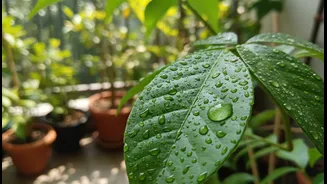
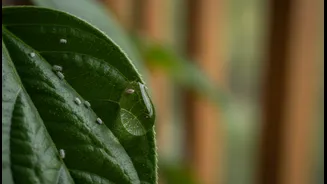
The primary reason neem oil can damage your plants is its physical interaction with sunlight and heat. When you spray neem oil, it forms a thin, oily film on the leaves. Under the intense glare of direct sun, these tiny oil droplets act like miniature magnifying glasses, concentrating the sun's rays and drastically increasing the temperature of the leaf surface. This process can literally cook the delicate plant cells, leading to brown or black scorch marks, yellowing, and wilting. Furthermore, the oily coating can clog the stomata—tiny pores on the leaves that plants use to breathe and regulate their temperature through transpiration. On a hot day, a plant with clogged pores cannot cool itself effectively, leading to internal heat stress and damage.
The High-Risk Application Times to Avoid
The single biggest mistake gardeners make is applying neem oil during the wrong time of day. Never spray your plants in the middle of a sunny day. The combination of fresh oil and peak sunlight is a guaranteed recipe for foliage burn. High temperatures are another major risk factor. As a rule, avoid applying neem oil when the temperature is above 30°C, as the heat dramatically increases the risk of phytotoxicity. You should also refrain from spraying plants that are already stressed, whether from underwatering, overwatering, or recent transplanting. A stressed plant is far more vulnerable to the additional shock of an oil application.
The Golden Hours: When to Spray Safely
To use neem oil effectively and safely, timing is everything. The universally recommended times for application are either early in the morning or late in the evening. Applying the spray during these cooler, low-light periods provides a crucial window for the oil to dry and begin working before the sun becomes intense. An evening application allows the product to sit on the leaves overnight, targeting nocturnal pests while completely drying before morning sunlight hits. An early morning spray also works, as long as the foliage has time to dry before the sun gets strong. Applying at these times also minimises harm to beneficial pollinators like bees, which are less active during these hours.
Beyond Timing: Other Critical Safety Checks
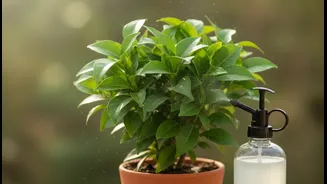
Proper timing is critical, but it's not the only factor. Always ensure your neem oil is correctly diluted according to the product's instructions; a concentration that is too high can suffocate leaves. Most concentrates require mixing with water and a small amount of gentle soap, like castile soap, to act as an emulsifier, which helps the oil and water mix properly. Before spraying an entire plant, always perform a patch test. Apply the solution to a single leaf and wait 24 to 48 hours to check for any signs of damage, such as spotting or discoloration. This is especially important for plants with delicate foliage like herbs, ferns, and young seedlings, which are more susceptible to burns.