





The Foundation of Fasting
Navratri fasting, or 'vrat', involves abstaining from certain food groups to cleanse the body and mind. Grains like wheat and rice, lentils, legumes, onions, and garlic are typically avoided. Instead, the fast is observed with a special diet based on specific
flours, vegetables, fruits, and dairy products. Rock salt, or 'sendha namak', replaces regular table salt. The core ingredients often include buckwheat flour (kuttu ka atta), water chestnut flour (singhare ka atta), and amaranth flour (rajgira). Staples like sago (sabudana), barnyard millet (samak rice), potatoes, and sweet potatoes form the base of many beloved dishes.
Gujarat's Festive Fasting Fare
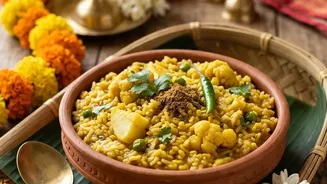
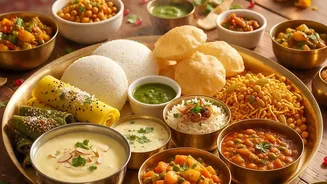
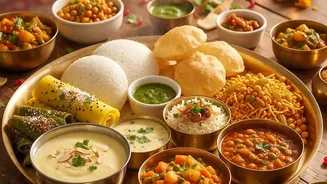
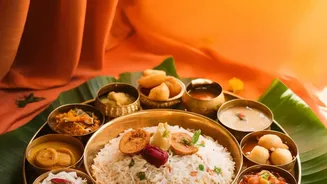
In Gujarat, a state famous for its Navratri celebrations filled with Garba and Dandiya, the fasting food is both light and flavourful. A cornerstone of the Gujarati vrat thali is 'Sabudana Khichdi', made from tapioca pearls tossed with potatoes and roasted peanuts. Another popular dish is 'Moraiyo' or 'Samo', a barnyard millet preparation that can be made into a simple khichdi or a fluffy pulao. Tubers like purple yam (kand) and sweet potatoes are used extensively, often made into a simple 'sabzi' or crispy fried snacks.
Sweet and Savoury Gujarati Delicacies
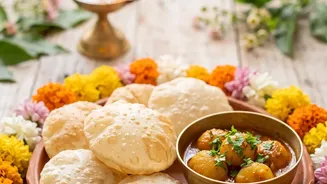
Gujaratis also prepare a variety of snacks and sweets. 'Rajgira Puri', made from amaranth flour, is a common sight, often paired with a simple potato curry. For those with a sweet tooth, 'Singhara no Shiro' (water chestnut flour halwa) or a 'Rajgira Sheera' offers a delightful end to a meal. Raw bananas are another versatile ingredient, used to make cutlets or a dry vegetable dish. Throughout the fast, light and cooling elements like fresh fruit, milk, and yoghurt are consumed to stay hydrated and energised.
Uttar Pradesh's Hearty Vrat Traditions
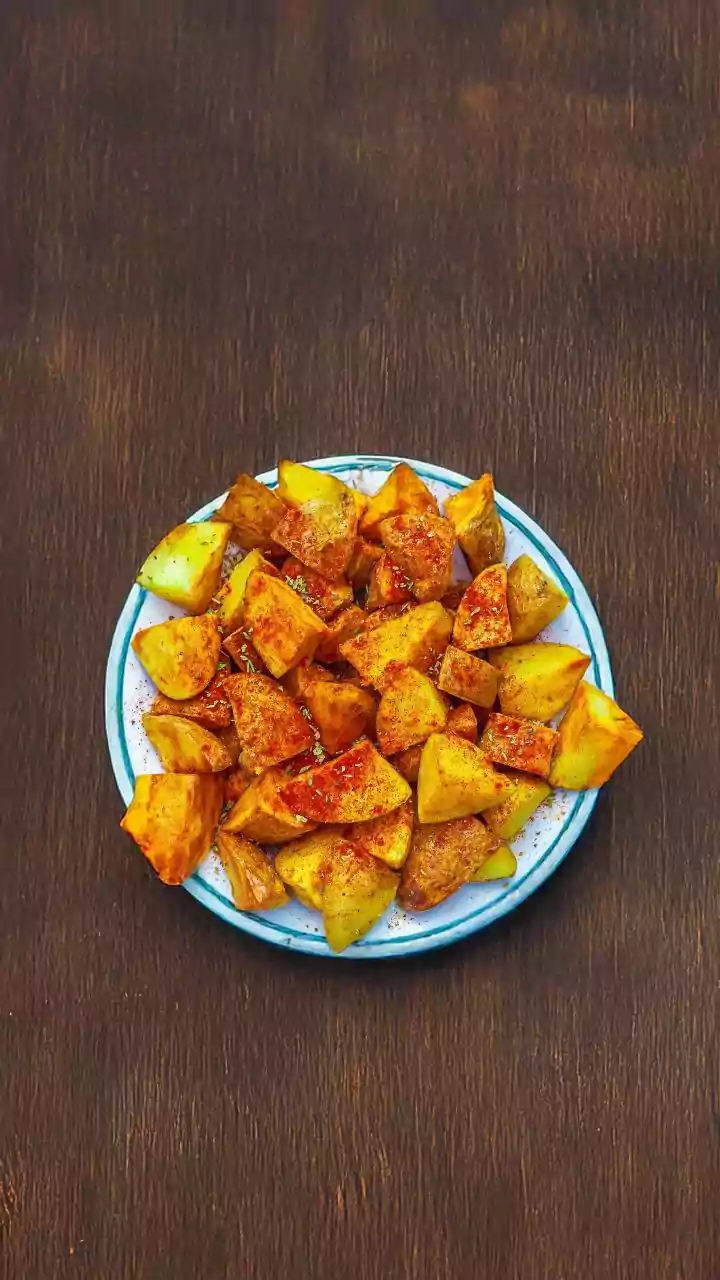
Moving north to Uttar Pradesh, the fasting cuisine takes on a heartier character. Potatoes are a central ingredient here as well, with 'Vrat wale Aloo' being a staple. This simple yet satisfying curry, often made with a tomato base and seasoned with rock salt and cumin, is a perfect accompaniment for puris or rotis made from vrat-friendly flours. 'Kuttu ki Puri' (buckwheat flour puri) is especially popular and provides a nutty, earthy flavour that pairs beautifully with the potato curry.
Comforting Dishes from the Heartland
In UP, sweets and snacks also play a significant role. 'Singhare ke Atte ka Halwa' is a rich and dense sweet made from water chestnut flour, ghee, and sugar. 'Makhane ki Kheer', a pudding made from puffed lotus seeds, is another beloved dessert that is both light and filling. For snacks, roasted makhana is a simple and healthy option. Paneer is also commonly incorporated, often cooked in a light gravy with vegetables like pumpkin or bottle gourd to create a wholesome meal.
A Shared Culinary Spirit
While the preparations and flavour profiles may differ, a common thread runs through the fasting foods of Gujarat and Uttar Pradesh. The reliance on the same core group of ingredients—potatoes, sabudana, kuttu, singhara, and fresh dairy—shows a shared understanding of fasting principles. The creativity in transforming these limited ingredients into a wide array of delicious meals is a testament to the rich culinary heritage of both states. Whether it's the light khichdi of Gujarat or the hearty halwa of UP, the food serves the same purpose: to nourish the body while honouring a sacred tradition.