


Why a Damp Coat Is a Health Risk
Leaving a pet with a damp coat for too long is more than just a bit of discomfort. It creates a warm, moist environment right next to their skin—the perfect breeding ground for bacteria and yeast. This can lead to a range of painful and unpleasant skin conditions.
One common issue is acute moist dermatitis, often called "hot spots." These are red, inflamed, and infected areas of skin that can appear suddenly and cause significant pain. Fungal infections, itching, and a persistent musty odour are also common consequences of a coat that hasn't dried properly. During colder weather or even on a cool, rainy day, a wet coat can also prevent your pet from regulating their body temperature, potentially leading to hypothermia.
The Slow-Drying Suspects
Some pets are naturally more susceptible to these issues due to their coat type. Breeds with thick double coats, which consist of a dense, soft undercoat and a longer topcoat, are prime candidates for slow drying. In India, this includes popular breeds like Golden Retrievers, German Shepherds, Saint Bernards, and Siberian Huskies. Many of our beloved indie dogs, such as the Gaddi Kutta or Indian Spitz, also possess double coats that require thorough drying. It's not just dogs; long-haired cat breeds like Persians can also hold onto moisture for a surprisingly long time, making them vulnerable to the same skin problems. Any pet with very dense or long fur needs extra attention post-bath.
Your Pre-Bath Weather Checklist
Before you get out the pet shampoo, take a quick look outside or at the forecast. The ideal day for a bath is warm, sunny, and dry with low humidity. These conditions naturally help speed up the drying process. Conversely, you should avoid bath time on days that are cold, rainy, or overcast, particularly during the monsoon season. The high humidity in the air during monsoon makes it incredibly difficult for a thick coat to dry completely, even indoors. A quick rinse of muddy paws is fine, but a full-body bath is best saved for a clear, bright day. Planning bath time for the morning also gives your pet the entire day to dry off in the warmth before the evening cool sets in.
The Art of the Perfect Dry-Off
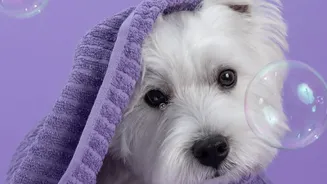
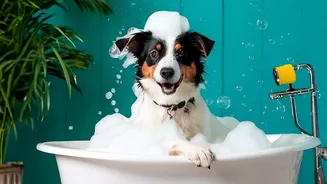
Even on a perfect day, you can't rely on air-drying alone for these furry pets. Proper drying technique is essential. Start with a highly absorbent microfiber towel. Instead of rubbing vigorously, which can cause tangles and skin irritation, pat and squeeze the fur gently to blot out as much water as possible. Focus on areas where moisture tends to hide, like between the paw pads, under the legs, and around the ears. For the most effective drying, invest in a pet-specific blow dryer. These are designed to operate at a lower temperature than human hair dryers, preventing burns. Use the coolest, lowest-speed setting and keep the nozzle moving, never focusing on one spot for too long. Brushing the coat as you dry helps to separate the fur and allow air to circulate down to the skin.
Caught in the Rain? Emergency Drying
Sometimes, despite your best planning, you get caught out. Maybe a planned bath is followed by an unexpected downpour, or a walk turns muddy and requires an impromptu wash. If you must bathe your pet on a less-than-ideal day, be prepared to be extra diligent with drying. Do not let them air-dry. Bring your pet indoors to a warm, draft-free room. Go through the towel-drying and blow-drying process meticulously, paying extra attention to the undercoat. It might take longer than usual, but ensuring they are bone-dry is the best way to prevent skin infections and other complications. If they seem cold, provide a warm bed or blanket to help them regulate their body temperature once they are completely dry.