


The Unsung Hero of the Indian Kitchen
Let’s be honest. When you hear the word ‘Khichdi’, your first thought might not be of a deeply flavourful, soul-satisfying meal. For many of us, it’s a dish associated with being unwell—bland, mushy, and prescribed. But to limit Khichdi to the confines
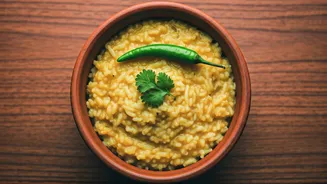
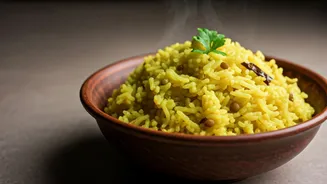
of convalescence is to miss out on one of India’s most versatile and comforting culinary traditions. At its core, it is a simple preparation of rice and lentils cooked together. But in its potential, it is a canvas for flavour, a champion of weeknight cooking, and the very definition of a meal that nourishes both body and soul. This isn't sick-person food; this is smart-person food.
More Than the Sum of Its Parts
The magic of Khichdi begins with its foundational duo: rice and dal. This combination is a cornerstone of the Indian diet for a good reason. When combined, rice (a grain) and lentils (a legume) create a complete protein, providing all nine essential amino acids that our bodies cannot produce on their own. This makes it a nutritional powerhouse, especially for vegetarian diets. The choice of dal can transform the dish entirely. Moong dal, being the easiest to digest, is classic for a lighter version. Toor (arhar) dal lends a nuttier flavour and thicker consistency, while a mix of dals can add layers of complexity. The simplicity is deceptive; this pairing is a carefully evolved nutritional strategy that has sustained millions for generations.
The Science of Comfort
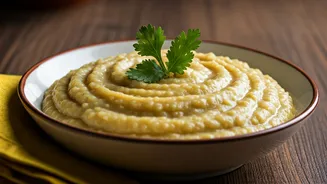
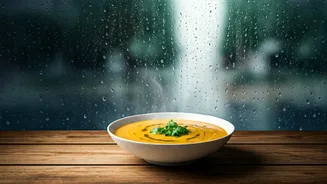
Why does a simple bowl of Khichdi feel so good? The answer lies in both its composition and our psychology. Nutritionally, the balanced ratio of carbohydrates and protein provides a steady release of energy, preventing the sharp blood sugar spikes and crashes associated with processed foods. This leads to a feeling of sustained fullness and contentment. Furthermore, its soft, warm texture is inherently comforting. It's easy to digest, placing minimal stress on our system and allowing the body to focus on absorbing nutrients. In a world of complex, over-stimulating meals, the gentle simplicity of Khichdi acts as a culinary reset button. It’s the food equivalent of a warm hug on a stressful day.
The Transformative Power of Tadka
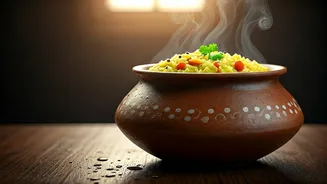
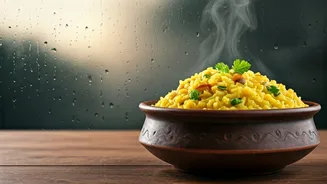
Here is where the 'surprisingly' part of the headline truly comes to life. A basic Khichdi is nourishing, but a Khichdi finished with a ‘tadka’ (or tempering) is a revelation. This is the crucial step that elevates the dish from simple sustenance to a culinary delight. The process involves heating ghee or oil and sizzling whole and ground spices like cumin seeds, mustard seeds, asafoetida (hing), dried red chillies, and sometimes finely chopped ginger, garlic, or onions. This fragrant, sizzling mixture is then poured over the cooked rice and lentils. The sound, the aroma, and the flavour infusion are transformative. The hot fat blooms the spices, releasing their essential oils and creating a depth of flavour that permeates every spoonful. It’s a two-minute step that delivers a 100% return on flavour.
Make It Your Own Masterpiece
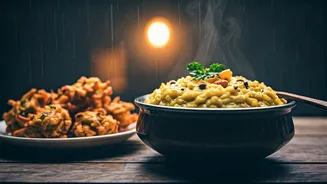
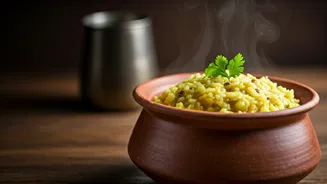
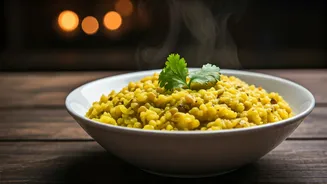
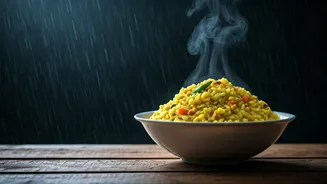
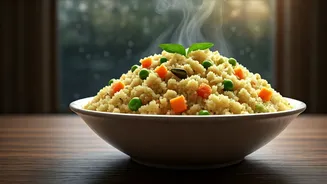
The beauty of Khichdi is that there is no single, rigid recipe. It is a template for you to adapt. Start with a basic ratio, perhaps one part rice to one part dal, and cook it with turmeric and salt until soft. From there, the possibilities are endless. Add seasonal vegetables like peas, carrots, and cauliflower along with the rice and dal for a one-pot nutritional bonanza. Garnish with fresh coriander. Serve it with a dollop of plain yoghurt, a crisp papad, and a spoonful of tangy pickle. A generous spoonful of ghee stirred in at the end adds a luxurious richness that is hard to beat. Don’t be afraid to experiment. This is your comfort in a bowl, so make it just the way you like it.