



A Gut Feeling for Tradition
In a world chasing the latest wellness trends, from kombucha to kefir, many in India are looking inwards and rediscovering the potent, probiotic-rich foods that have been part of our culinary heritage for centuries. The renewed interest isn't just about
nostalgia; it's a conscious shift towards natural, sustainable, and scientifically-backed approaches to health. The core idea is simple: fermentation, a process where microorganisms like bacteria and yeast break down food, not only preserves it but also enhances its nutritional value and makes it easier to digest. These foods are living, packed with beneficial bacteria that support a healthy gut microbiome, which is increasingly linked to everything from better immunity to improved mental health.
More Than Just Curd
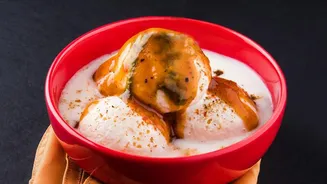
While homemade dahi is the most common and beloved fermented food in India, it's just the tip of the iceberg. Almost every region boasts its own unique fermented specialties, tailored to its climate and local produce. Many of these have been household staples, eaten without being labeled 'health food'. Think of the fluffy, steamed idlis and crisp dosas of the South, which get their signature texture and tang from an overnight fermented batter of rice and lentils. This process makes nutrients like B vitamins more available and the proteins easier for our bodies to use. The trend is about recognizing these everyday superfoods for the powerhouses they are.
Kanji: The Winter Probiotic Powerhouse
As winter approaches, kitchens in North India traditionally prepare Kanji, a tangy, vibrant drink. It's typically made by fermenting black carrots (kali gajar) in water with salt and ground mustard seeds for a few days in the sun. The result is a beverage teeming with probiotics that aid digestion and boost immunity during the colder months. The natural fermentation creates a host of beneficial bacteria, making it a powerful, natural digestive tonic. A small glass before a meal can help reduce bloating and improve nutrient absorption. Rich in antioxidants from the black carrots, it’s a perfect example of seasonal eating for wellness.
Gundruk and Sinki: Gems from the Northeast
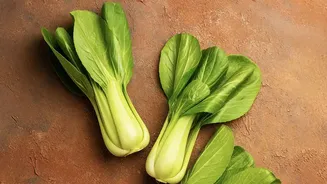
Travel to the Northeast, and you'll find a different kind of fermentation magic in Gundruk and Sinki. Gundruk is made from fermenting leafy greens like mustard or radish leaves, while Sinki uses radish taproots. The vegetables are wilted, crushed, and packed into containers to ferment, a traditional method of preserving surplus harvest for the off-season. The resulting product has a unique sour taste and is incredibly nutrient-dense. Used in soups and pickles, Gundruk is a fantastic source of probiotics and adds a complex, umami flavour to dishes, showcasing the ingenuity of regional food preservation.
Panta Bhat: The Cooling Summer Staple
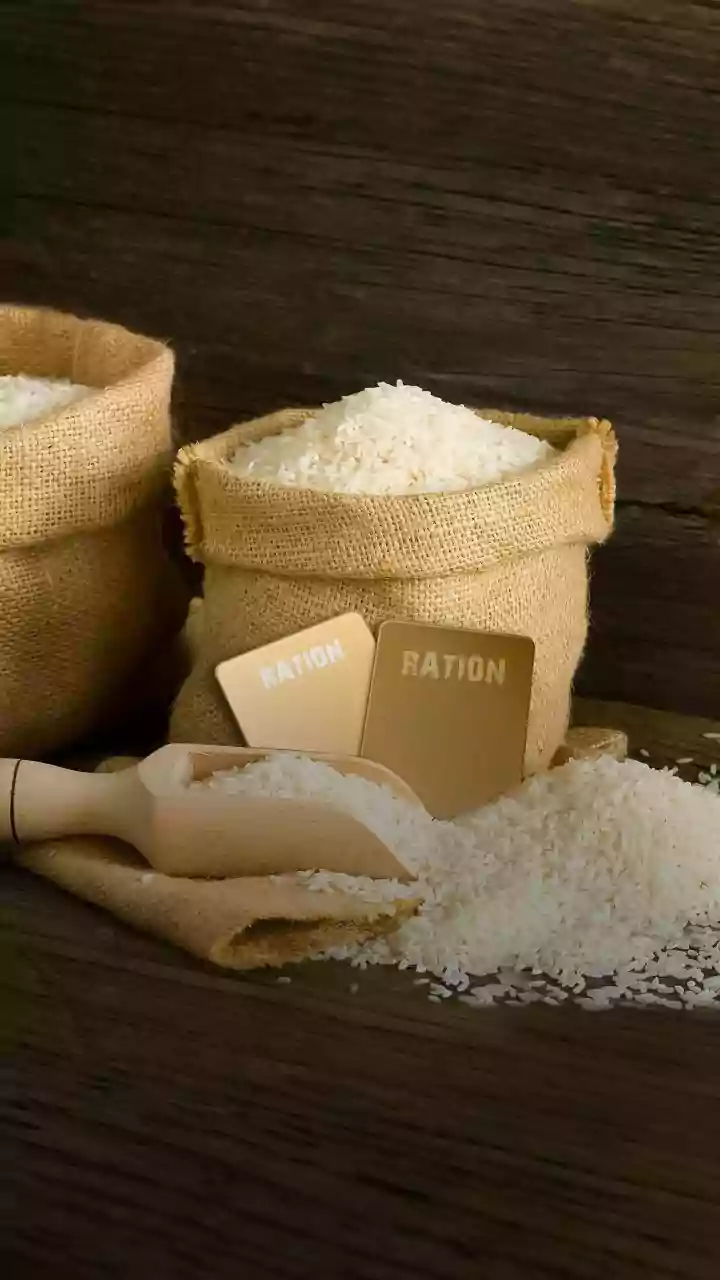
In the hot and humid climates of Bengal, Odisha, and Assam, a humble dish called Panta Bhat or Pakhala Bhata provides cooling relief. It consists of leftover cooked rice soaked in water and left to ferment overnight. The mild fermentation makes it a natural coolant and easy to digest. Traditionally eaten for breakfast, it replenishes the body with water and essential nutrients lost through sweat. This simple preparation is rich in B-vitamins and beneficial bacteria, demonstrating how our ancestors ingeniously used fermentation to create foods suited to the season.