






Listen to Your Body Clock
The idea that everyone should be a morning exerciser ignores a key aspect of our biology: the chronotype. This is your body's natural tendency to be awake or asleep at certain times, and it's largely genetic. You might be an 'early chronotype' or morning lark,
who is most alert and energetic in the morning. Or you could be a 'late chronotype' or night owl, who functions better in the afternoon and evening. Forcing yourself into a routine that fights your natural rhythm can feel like a constant battle. In fact, some research suggests that aligning your workouts with your chronotype can lead to greater improvements in fitness, blood pressure, and sleep. The key message from scientists is that exercise is most effective when it matches your individual biological rhythm.
The Power of an Afternoon Workout
If you hit a slump around 3 p.m., a midday workout could be the perfect solution. Many people find their physical performance peaks in the afternoon. Your body temperature is higher, which improves muscle flexibility and power, and your reaction time is often quicker. This can make afternoon sessions ideal for high-intensity training or strength work, potentially reducing the risk of injury. Some studies even suggest that afternoon physical activity can offer greater benefits for heart health and longevity, particularly for men and older adults. A workout during your lunch break can break up the monotony of the workday and provide a much-needed energy boost to carry you through the rest of the day.
Embrace the Evening Session
For many, the evening is the most practical and enjoyable time to exercise. An end-of-day workout can be an excellent way to de-stress and mentally disconnect from work pressures. Physiologically, your body may be primed for a great session. With muscles warmed up from daily activity, strength and endurance can be higher in the evening. Some research shows that testosterone, a hormone important for muscle growth in both men and women, may peak later in the day. While there used to be concern that evening exercise could disrupt sleep, recent studies have largely debunked this, suggesting it may actually help you fall asleep faster and sleep more deeply, as long as you avoid very intense activity right before bed.
Try 'Exercise Snacking'
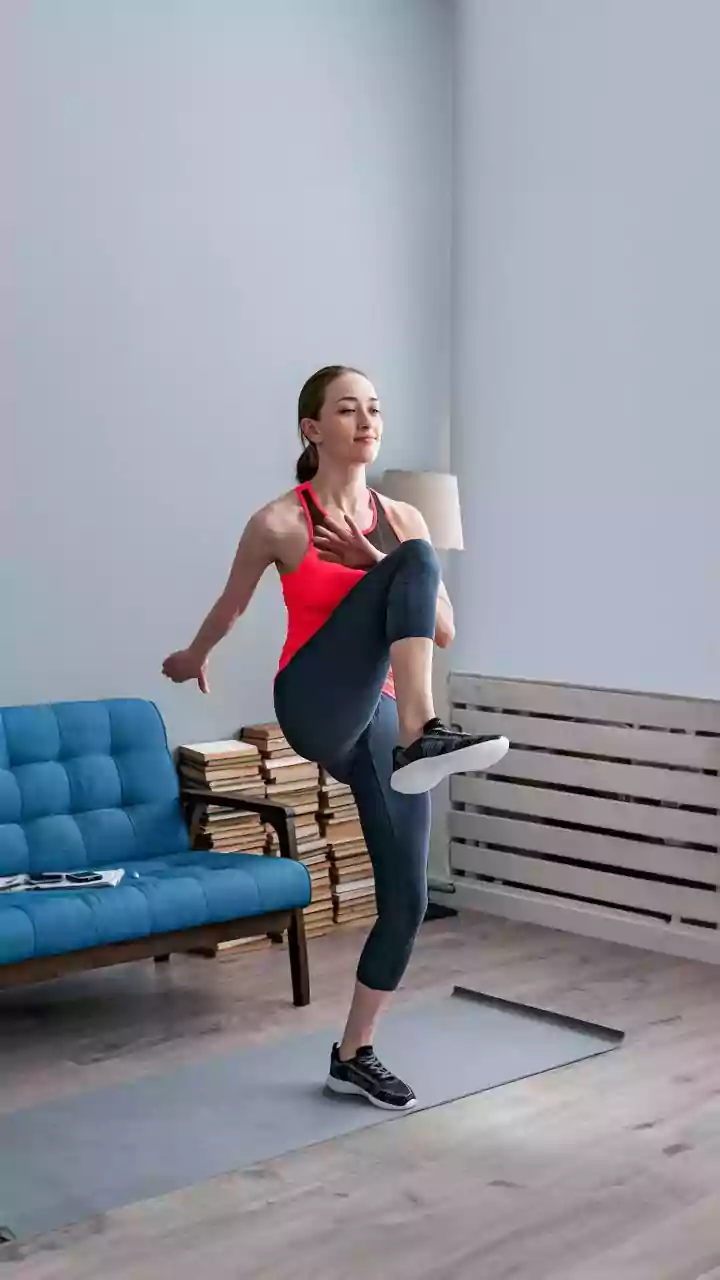
If finding a solid 30- or 60-minute block is impossible, consider a new approach: 'exercise snacking'. This concept involves short, vigorous bursts of activity spread throughout the day. Think of it as taking a few minutes to do something that gets your heart rate up, like climbing a few flights of stairs, doing a minute of jumping jacks, or a quick set of squats. Research is showing that these brief but intense 'snacks' can significantly improve cardiovascular fitness and glucose control. One study found that just three to four minutes of this type of activity per day was linked to a substantial reduction in mortality risk. This method requires no gym and can be easily integrated into a busy schedule, making fitness more accessible.
Consistency Over Everything
Ultimately, the debate over the 'best' time to work out misses the most important point: consistency is far more crucial than timing. A manageable workout that you do regularly will always be more effective than a 'perfect' but sporadic one. The goal is to build a sustainable habit that fits into your life, not to force a routine that leads to burnout. Whether you're a morning person, a lunchtime warrior, or a night owl, the most effective workout is the one you actually do. Experiment with different times and activities to discover what makes you feel strong, energized, and motivated to keep showing up.