



Why Your Kitchen Scraps Are Garden Gold
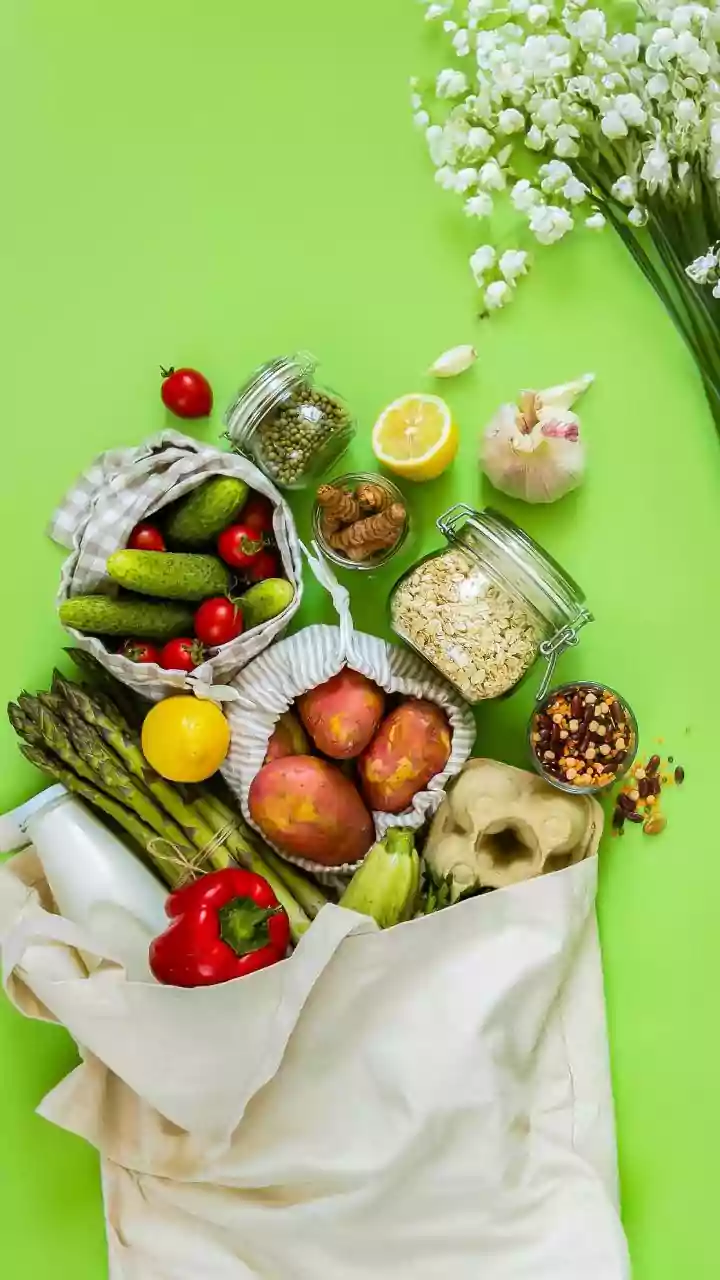
Before you toss those potato peels and used tea bags, consider their hidden value. These everyday kitchen scraps are packed with essential nutrients that plants crave. Vegetable peels from potatoes, carrots, and cucumbers are rich in potassium, phosphorus,
and vitamins. Tea leaves release a moderate amount of nitrogen and improve soil structure as they decompose. Banana peels are famous for their high potassium content, which is vital for flowering and fruiting plants. By turning this organic waste into fertilizer, a process known as composting, you create what many gardeners call 'black gold'. This practice not only enriches your soil naturally but also significantly reduces the amount of household waste sent to landfills.
Gathering Your Green and Brown Ingredients
A successful compost relies on a healthy mix of 'green' and 'brown' materials. 'Greens' are nitrogen-rich items, which include most of your kitchen scraps: fruit and vegetable peels, coffee grounds, and fresh tea leaves. 'Browns' are carbon-rich materials that provide structure and prevent odours. These include dried leaves, shredded newspaper, cardboard, and coco peat. It's crucial to know what to exclude. Avoid adding meat, fish, dairy products, and oily or heavily seasoned foods to your pile. These items can create foul odours, slow down decomposition, and attract unwanted pests like rodents.
Method 1: Simple 'Chop and Drop'
The most direct way to use your kitchen scraps is the 'chop and drop' method. Simply chop your vegetable and fruit peels into smaller pieces to speed up decomposition. Then, dig a small hole a few inches deep near the base of your plants, drop the scraps in, and cover them completely with soil. This method allows the nutrients to break down and release directly into the root zone. Burying the scraps is essential to avoid attracting pests. This technique is particularly effective for feeding individual plants in a garden bed.
Method 2: Brewing a 'Compost Tea'
For a fast-acting liquid feed, you can create a 'compost tea'. This involves steeping kitchen scraps in water to extract their soluble nutrients. To make it, place a collection of vegetable peels and other scraps in a large bucket and cover them with water. Let the mixture sit for several days to a week, stirring occasionally. Afterwards, strain the liquid to remove the solids. This nutrient-rich 'tea' should be diluted with water, often at a 1:1 ratio, before being used to water your plants at the soil line. It provides an immediate boost of nutrients, perfect for plants during their growing season.
Method 3: Starting a Basic Compost Bin
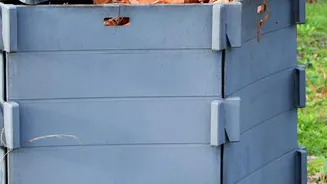
For a continuous supply of fertilizer, a compost bin is your best bet, and it's perfectly feasible even on a balcony. Start with a simple plastic bucket or terracotta pot with a lid and some aeration holes. Begin with a bottom layer of 'browns' like dried leaves or shredded newspaper. Add your 'greens' (kitchen scraps) on top, and then cover them with another layer of 'browns'. This layering technique helps balance moisture and prevent smells. Turn the mixture every few days to introduce oxygen, which is vital for the decomposition process. In a warm climate, you can have dark, crumbly, ready-to-use compost in as little as four to eight weeks.
Best Practices for Success
To keep your composting journey smooth and odour-free, a few tips can help. Always aim for a good balance of green and brown materials; too much green waste can make the pile wet and smelly. Keep the compost moist, like a wrung-out sponge, but not waterlogged. If you're concerned about pests, especially rodents, ensure your bin is secure. Placing wire mesh underneath a bin on the ground can prevent burrowing animals from getting in. Also, make sure to always bury fresh food scraps under a layer of brown material or finished compost.