







The New Rules on Campus
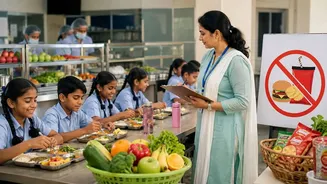
In late July 2026, the Karnataka Food Safety and Drug Administration issued a directive that prohibits the sale, promotion, and even advertisement of food products high in fat, sugar, and salt (HFSS) on school and college campuses, and within a 50-metre
radius around them. This policy follows recent inspections of 134 educational institutions which revealed that many canteens and nearby vendors were serving meals and snacks high in refined carbohydrates. The government's stated goal is to combat rising health issues like obesity and diabetes among young people by ensuring they have access to nutritious and balanced food. Institutions are now required to display warning signs, and vendors must hold valid FSSAI licenses, with violators facing hefty fines and potential license cancellation.
A Welcome Idea with Complications
On the surface, the policy has been welcomed by many as a necessary public health intervention. However, its announcement immediately triggered confusion among campus managers and vendors. A primary concern is the lack of a clear, official list defining what constitutes "junk food." While the government has pointed to items high in sugar, salt, and trans fats, administrators are asking for specifics. As one association secretary questioned, is a vegetable or chicken sandwich considered junk food? This ambiguity makes it difficult for canteens to plan menus that are both compliant and appealing to students, creating a significant hurdle for implementation right from the start.
The Canteen Manager's Dilemma
For canteen operators, the new rules present a formidable business challenge that goes beyond just swapping out menu items. The most popular foods are often the ones that are cheapest to produce and have the highest profit margins. Samosas, vadas, and instant noodles are student favourites because they are affordable, tasty, and quick. Replacing them with healthier, fresher alternatives like salads, fruit bowls, or millet-based dishes involves higher procurement costs, more complex preparation, and a shorter shelf life, which can translate to higher prices for students and lower profits for vendors. Many canteen handlers lack formal training in nutrition or food safety, making the transition even more challenging. Without financial incentives or logistical support, many operators fear they will struggle to create a menu that is both healthy and economically viable.
Choice, Cost, and Student Culture
Ultimately, the success of this policy rests on student acceptance. College students, as young adults, value autonomy and choice. While they may understand the health benefits, taste, habit, and cost remain powerful drivers of their food decisions. A plate of fried rice for ₹50 will almost always be more tempting than a quinoa salad for ₹150, especially for students on a tight budget. Simply removing the unhealthy options doesn't guarantee that students will embrace the healthy ones, particularly if they are bland or expensive. The ban might also push students to seek out food from vendors just outside the 50-metre restricted zone, defeating the purpose of the policy. The key, therefore, is not just restriction, but making the healthy choice the easy and desirable choice.
Finding a Palatable Path Forward
For Karnataka's new rules to be more than just a paper policy, the focus must shift from prohibition to enabling. This requires a collaborative effort. The government could work with nutritionists to create a clear list of approved and banned items, providing clarity to colleges. Campus administrations can play a role by subsidising healthier food options to make them more price-competitive with their unhealthy counterparts. Training for canteen staff on how to prepare tasty and nutritious meals is crucial. Furthermore, involving students in menu planning through taste tests and feedback sessions could foster a sense of ownership and ensure the new offerings cater to their preferences. The goal should be to build a culture of wellness, not just enforce a set of rules. This involves education and making healthy food an attractive, accessible part of campus life.