
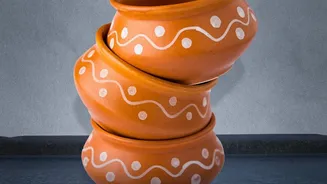

Not Your Grandmother’s Terracotta
When you hear terracotta, you might picture classic garden pots or traditional Indian 'matkas'. But the modern terracotta trend, championed by a new generation of homeowners and renters, is far more expansive. Forget the purely rustic look. Today’s terracotta is about
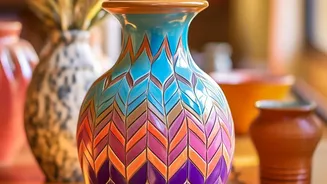
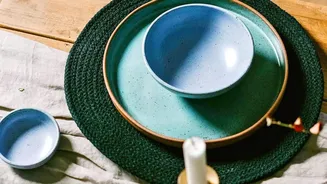
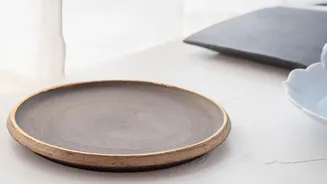
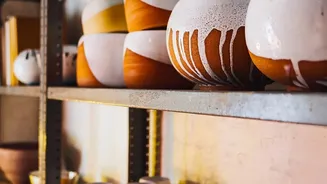
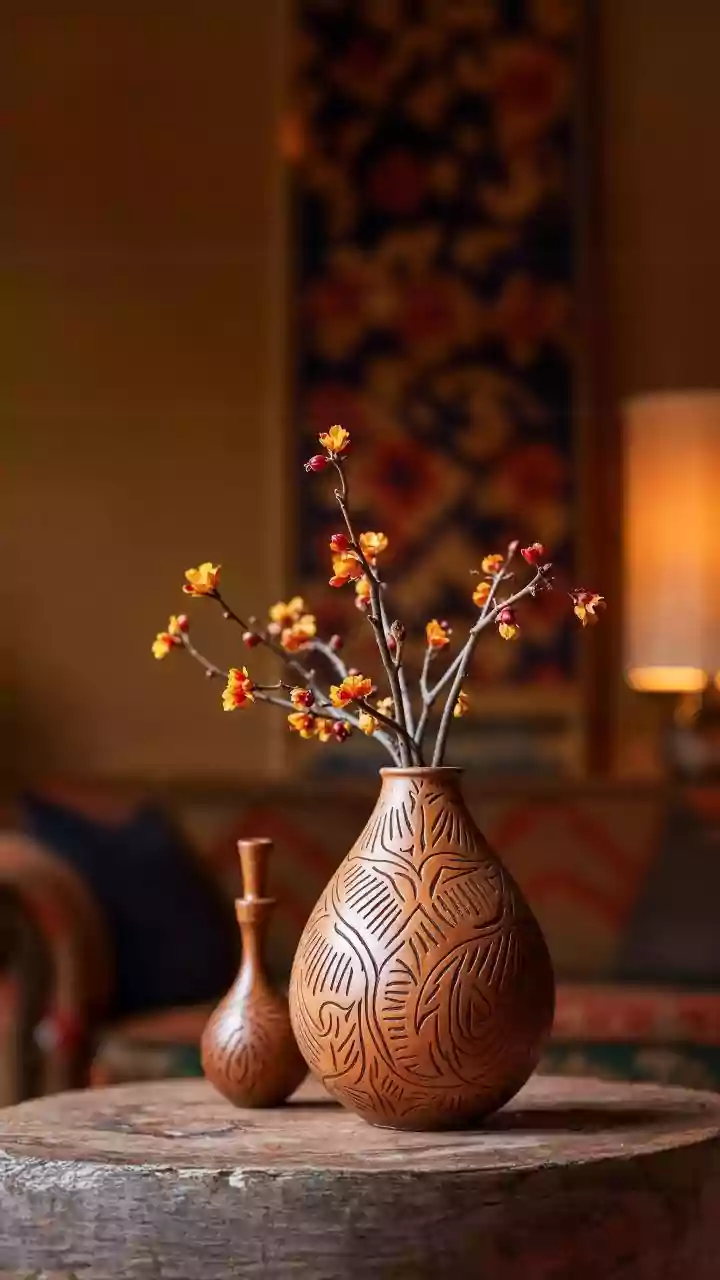
sleek, matte-finish dinner plates, minimalist vases with sculptural forms, and hand-thrown mugs that make a morning coffee feel like a ritual. The colour palette itself has broadened from the familiar reddish-brown to include softer, sun-baked shades of blush, sand, and burnt orange. This renewed interest is less about recreating the past and more about integrating a natural, tactile element into otherwise contemporary spaces. It’s about pairing an earthy clay lamp with clean-lined furniture or using terracotta tiles to bring warmth to a modern kitchen. This fusion creates a look that feels both timeless and distinctly current.
An Earthy Rebellion Against Perfection
So why is this ancient material resonating so strongly with the digital-native generation? It’s largely a reaction against the mass-produced perfection that defined previous decor eras. After years of flawless, filtered aesthetics online, there's a growing desire for authenticity and imperfection. Terracotta, with its subtle variations in texture and tone, offers a sense of humanity that factory-made goods often lack. Each piece tells a story of its creation. This movement aligns with Gen Z's core values: sustainability, conscious consumerism, and well-being. Clay is a natural, biodegradable material, and choosing handmade or locally crafted pieces supports artisans and reduces the carbon footprint associated with mass production. In a fast-paced world, the grounding, calming presence of earthy materials helps turn a house into a sanctuary—a key priority for a generation that values mental wellness and creating personal, meaningful spaces.
From the Kitchen to the Living Room
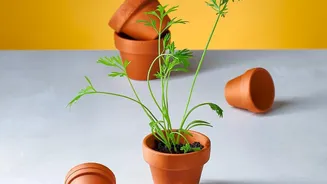
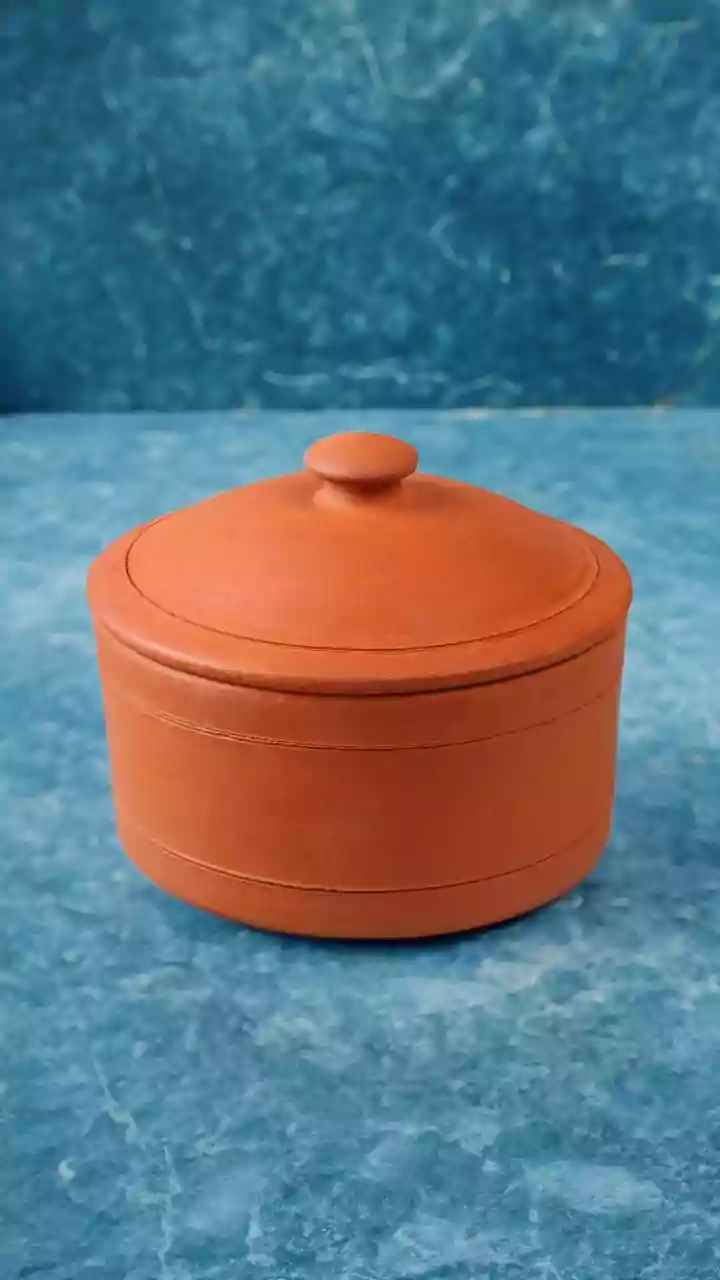
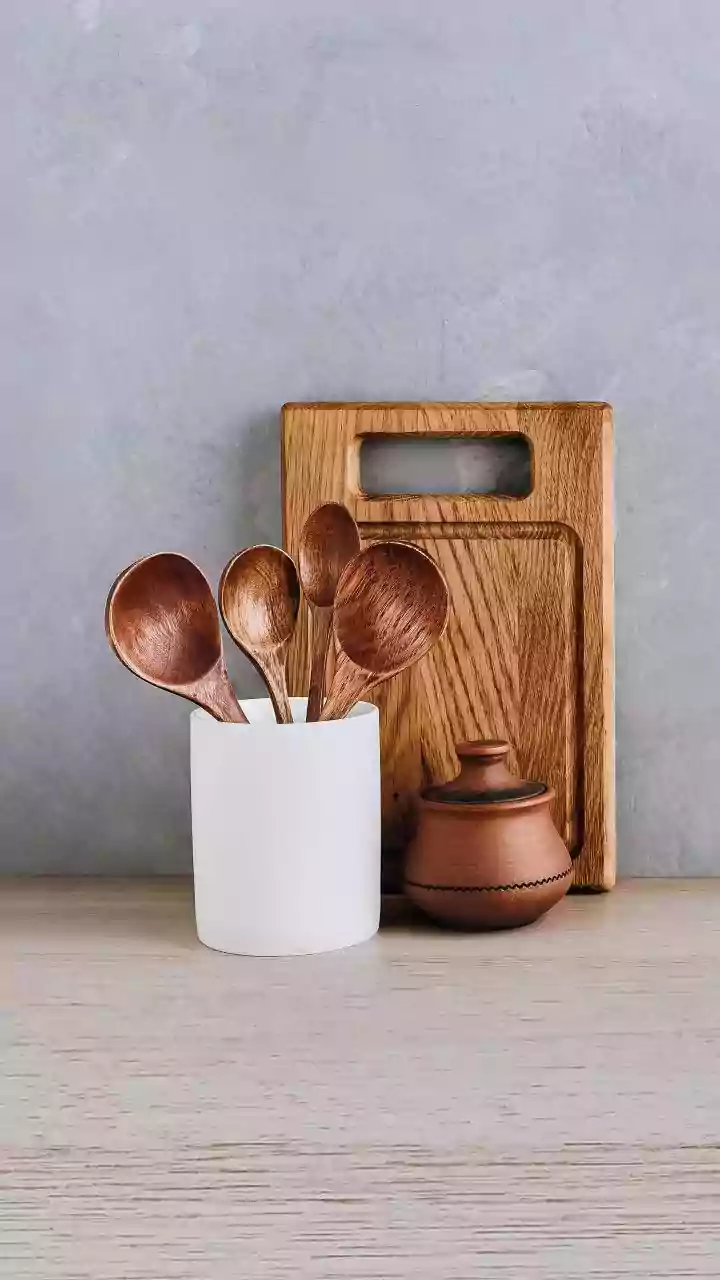
The terracotta trend extends far beyond planters. In the kitchen, there's a significant revival of cooking and serving in clay vessels. The porous nature of clay allows for slow, even cooking that retains moisture and enhances flavour, a fact celebrated by food bloggers and home cooks alike. Unglazed terracotta plates and bowls are also gaining popularity for their photogenic, matte texture that makes food pop on social media feeds. In living rooms and bedrooms, terracotta is making its mark through decor and lighting. Handcrafted clay table lamps cast a warm, soft glow, creating a cosy atmosphere that counters the harshness of blue light from screens. Accessories like vases, decorative trays, and even painted saucers repurposed as jewellery dishes are simple ways people are bringing the trend home. Many are even taking a DIY approach, painting simple terracotta pots with bold geometric patterns or abstract shapes to create personalized decor.
A Timeless Trend with Indian Roots
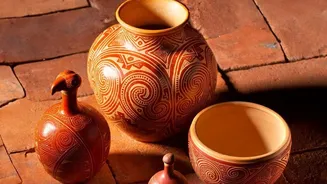
For Indian homes, this global trend feels like a homecoming. Terracotta, or 'mitti,' has been an integral part of Indian architecture and daily life for centuries, from cooling water pots and 'kulhad' chai cups to intricate roof tiles and 'jaali' screens. Its natural ability to stay cool makes it perfectly suited to the Indian climate. What’s new is how this traditional material is being recontextualized in modern urban apartments and homes. An exposed terracotta brick wall can serve as a warm, textured accent in a minimalist living room in Pune, while handmade clay tiles might bring rustic charm to a balcony garden in a Mumbai high-rise. This blend of global aesthetic and local heritage allows for a style that feels both internationally relevant and deeply rooted. It’s a way of celebrating craftsmanship and connecting with nature, even in the heart of a bustling city.