


The Generational Talent in Waiting
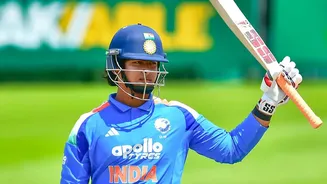
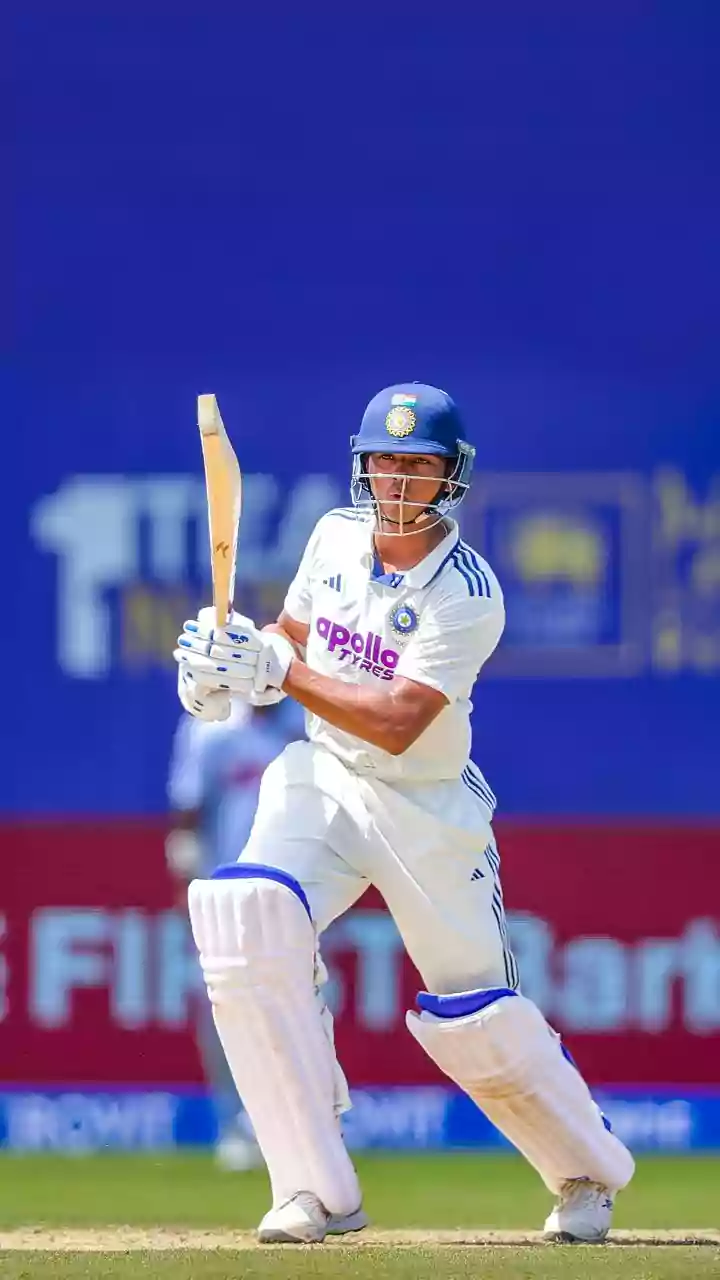
It’s rare for a player to generate this much buzz before even cementing his place in the national side, but Vaibhav Sooryavanshi is no ordinary cricketer. At just 15, he is the youngest player to be handed an Indian contract and has a domestic record
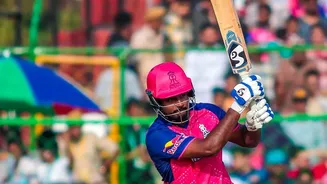
that defies his age. The left-handed opener from Bihar made headlines by becoming one of the youngest to play first-class cricket and followed it up with record-breaking feats in List A and T20 cricket, including a scarcely believable 35-ball century in the IPL. His inclusion in the squad for the West Indies series was seen as a bold, forward-thinking move to fast-track a player of immense potential. After three matches, however, that move has amounted to little more than a prime view from the dugout.
The Gambhir Doctrine on Selections
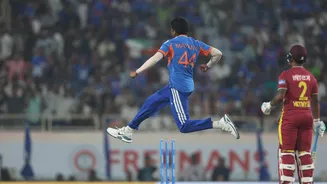
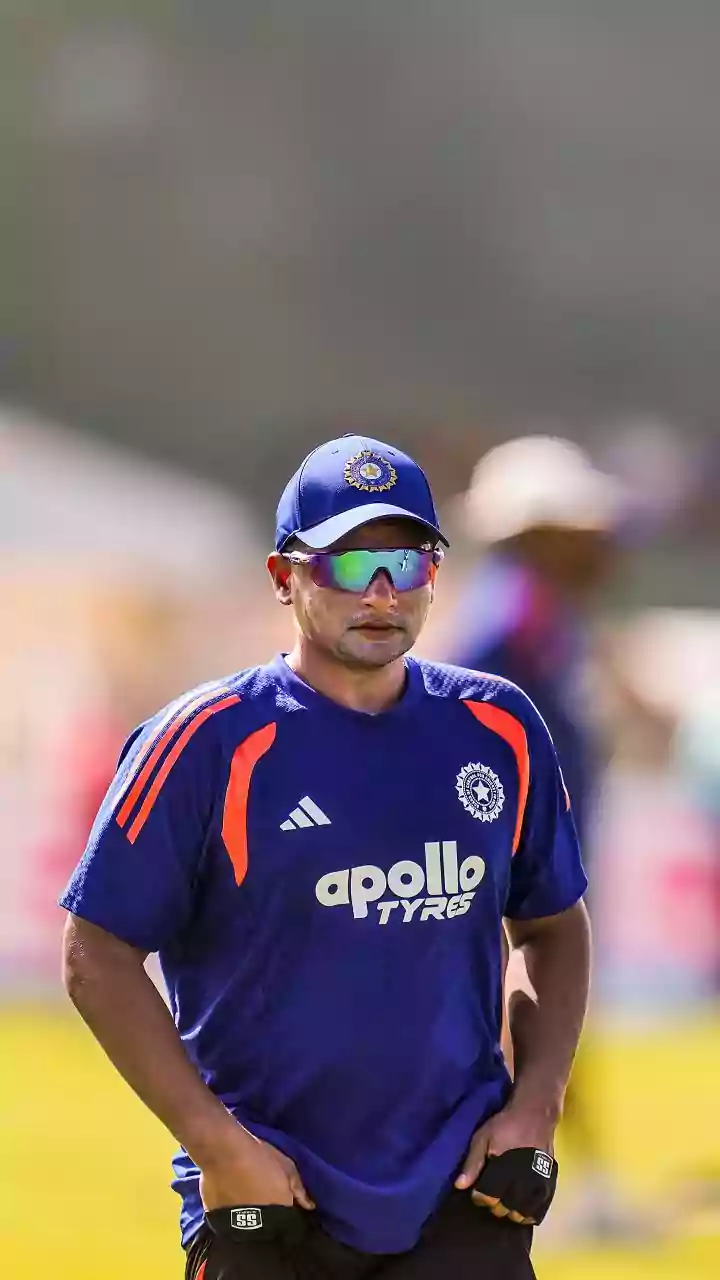
To understand the delay, one must look at head coach Gautam Gambhir’s philosophy. Gambhir, who took the helm earlier this year, is known for his aggressive, team-first mentality. He has publicly stated his belief that if a player is good enough, they should be able to play all three formats, pushing back against the idea of workload management for its own sake. However, his time mentoring IPL teams also revealed a preference for stability. Gambhir likes to identify his core group of players and back them, avoiding unnecessary tinkering, especially with winning combinations. After the first T20I win, his reluctance to change the lineup for the second match was understandable. Even after the loss in the second T20I, where West Indies chased a mammoth 250, the changes for the third match were targeted, with Prince Yadav and Nitish Kumar Reddy coming in for Kuldeep Yadav and Shivam Dube, keeping the top order intact.
An Open-and-Shut Top Order
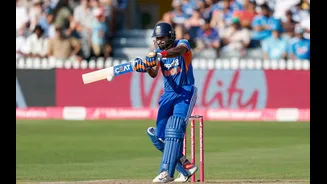
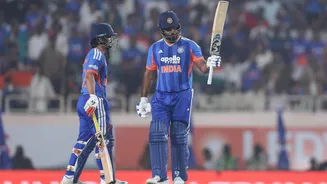
The biggest roadblock for Sooryavanshi is the current form of India’s top order. The team has experimented with Abhishek Sharma and Sanju Samson, with Shreyas Iyer and Ishan Kishan forming the backbone of the batting. In the first match, captain Iyer scored a sensational unbeaten century to guide India home. In the second, despite the loss, Sanju Samson fired with a brilliant 82 off 41 balls. And in the third T20I, it was Abhishek Sharma's turn to shine with a 30-ball 69. With the established players delivering crucial performances, dropping any of them for a debutant, no matter how talented, becomes a difficult decision for any coach, let alone one like Gambhir who values rewarding performance.
Is Now Not the Perfect Time?
While the logic of sticking with performing players is sound, the context of the series presents a compelling counter-argument. The series is currently level at 1-1 going into the third match, a high-pressure scenario. However, with two more games to follow after the Indore T20I, the opportunity to blood a youngster is undeniable. A home series against a team like West Indies is arguably the ideal, lower-stakes environment to introduce a player like Sooryavanshi. Giving him a game would not just be about the debut; it would be an investment. It would provide him with invaluable experience at the highest level and give the team management a real-world look at how he handles the pressure of international cricket, something net sessions can never replicate.