





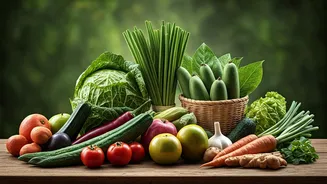


Why the Monsoon Weakens Digestion
According to both traditional Ayurvedic wisdom and modern science, the digestive system, or 'agni' (digestive fire), tends to become sluggish during the rainy season. [12, 15] High humidity and an increased risk of water contamination can disrupt the balance
of gut bacteria, making you more susceptible to issues like bloating, acidity, and stomach infections. [14, 25] The body's metabolism naturally slows down, making it harder to break down heavy, oily, or raw foods. [15] This is why shifting to a diet that’s easy on the gut is the first step to staying healthy and energetic throughout the season.
Embrace Warm, Light, and Cooked Meals
The golden rule for monsoon eating is to favor foods that are warm, light, and thoroughly cooked. [5, 20] Freshly prepared meals like soups, stews, and khichdi are not only comforting on a rainy day but are also easier for a sluggish digestive system to handle. [6, 11] Cooking food properly helps kill harmful bacteria and viruses that thrive in the damp weather. [21] Spices like turmeric, ginger, garlic, and black pepper are excellent additions as they have anti-inflammatory properties and can help fire up your digestion. [3, 31] A warm bowl of vegetable soup or a simple dal is a far better choice than a cold salad. [18, 31]
The Smart Way to Eat Your Greens
It’s common advice to avoid leafy green vegetables during the monsoon. [9] The reason is sound: the dampness and mud make them a potential breeding ground for germs and bacteria that are hard to wash off completely. [17, 24, 28] However, you don't have to miss out on their nutrients entirely. The 'refresh' is in the preparation. Instead of eating them raw in salads, ensure you wash them meticulously, perhaps by soaking them in salt water, and then cook them thoroughly. [17, 21] Blanching or steaming spinach, fenugreek (methi), and other greens can make them safe to consume while retaining many of their health benefits. [3, 17]
Power Up with Immunity-Boosting Foods
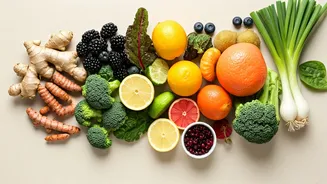
The monsoon is notorious for colds, flu, and other infections, making immunity your best defense. [19] Stock up on foods rich in Vitamin C like amla, lemons, and oranges to help your body produce more infection-fighting white blood cells. [3, 8] Spices are your allies; ginger is excellent for soothing sore throats, garlic has natural antibacterial properties, and turmeric is a powerful anti-inflammatory agent. [8, 19] Also, incorporate bitter vegetables like bitter gourd (karela) and herbs like neem, which are traditionally known to help keep infections at bay. [9, 23]
Hydrate Right and Snack Smart
While pakoras and samosas are tempting, fried and street foods are best avoided due to a higher risk of contamination and the strain they put on your digestion. [6, 9] For a healthy refresh, switch to smarter snacks. Roasted corn on the cob (bhutta), roasted makhana (fox nuts), sprouts salad, and baked vegetable cutlets are delicious and nutritious alternatives. [4, 7, 10] When it comes to hydration, stick to boiled, filtered water. [22] Sipping on warm herbal teas made with ginger, tulsi, or lemongrass not only keeps you hydrated but also helps detoxify your system. [6, 23] Limit cold drinks and ensure dairy products like curd and buttermilk are fresh and consumed during the day. [5, 11]
Support Your Gut with Probiotics
A healthy gut is central to a strong immune system. The imbalance of gut bacteria during the monsoon can be countered by including probiotic-rich foods in your diet. [5, 14] Freshly prepared curd (yoghurt) and buttermilk are excellent sources of good bacteria that aid digestion and improve gut flora. [5, 25] These foods help restore the natural balance in your intestines, strengthening your body's defenses from within. Consuming a small bowl of curd with your lunch can be a simple yet effective way to support your digestive health throughout the rainy season. [20, 26]