



What is a Western Disturbance?
Before you can understand the risk, it’s crucial to know the cause. A Western Disturbance is an extratropical storm that originates in the Mediterranean region. This weather system travels eastwards, gathering moisture along the way from the Caspian Sea
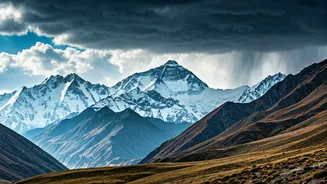
and the Arabian Sea. When it finally arrives over the Indian subcontinent, it interacts with the Himalayan topography, resulting in sudden, often intense precipitation—rain in the lower altitudes and snow at higher elevations. While they are a normal and vital part of North India's weather pattern, especially for the rabi crop, their intensity and timing can create dangerous conditions, particularly during the primary trekking seasons of spring and autumn.
Which Regions Are Most Affected?
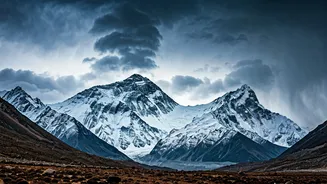
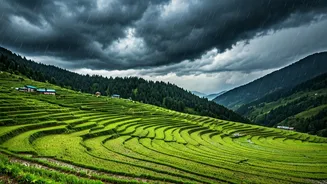
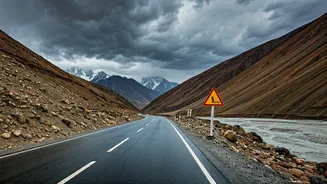
According to the India Meteorological Department (IMD), the current system is primarily affecting the Western Himalayan states. This includes large parts of Uttarakhand, Himachal Pradesh, and Jammu and Kashmir. Popular trekking hubs like Manali, Shimla, Dharamshala, and the Garhwal region (home to trails like Kedarkantha and Har Ki Dun) are experiencing significant downpours. The heavy precipitation isn't confined to remote trails; it’s also impacting access roads, increasing the risk of travel disruptions even before you reach the trailhead. Trekkers planning routes in these areas must assume that their itineraries are compromised and that trail conditions are unstable.
The Real Dangers on the Trail
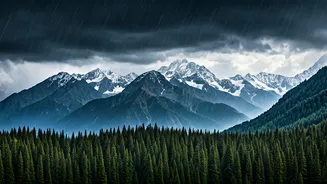
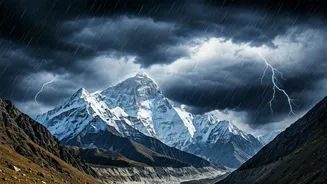
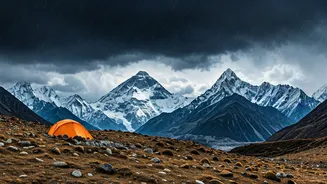
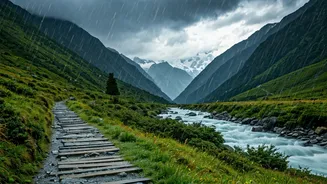
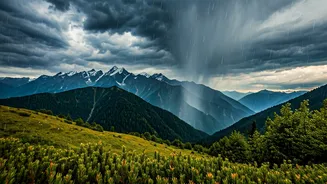
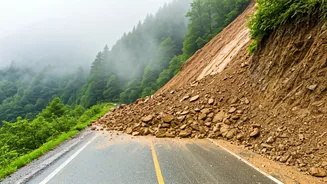
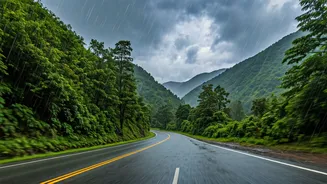
Heavy rain in the mountains is far more dangerous than a simple downpour in the city. For trekkers, the risks multiply. Trails become exceedingly slippery, dramatically increasing the chance of falls and injuries. The persistent moisture saturates the soil, creating a high risk of landslides and rockfalls, which can block paths or prove fatal. Mountain streams and rivers can swell into raging torrents in a matter of hours, making crossings impossible and leading to dangerous flash floods. Furthermore, being wet in cold mountain air accelerates heat loss, leading to a severe risk of hypothermia, a life-threatening condition. Visibility can also drop to near-zero, making navigation extremely difficult and increasing the likelihood of getting lost.
Heed the Official Warnings
State disaster management authorities and the IMD have issued advisories urging tourists and trekkers to exercise extreme caution. In many affected districts, 'yellow' or 'orange' alerts have been put in place, signalling the need to be prepared for severe weather. These alerts are not to be taken lightly. They indicate a high probability of disruptive events like landslides, flooding, and road closures. Local administrations often advise against venturing into higher altitudes or near riverbanks during these periods. Before starting any trek, and even during it, it's vital to stay updated with the latest official forecasts and alerts. Ignoring them can put you and your entire group, including guides and porters, in grave danger.
Your Safety Checklist: What to Do Now
If you are planning a trek or are already in the region, your priority must shift from adventure to safety. First, postpone your plans if possible. No summit or view is worth your life. If you are already on a trek, be prepared to turn back. Communicate with your guide and respect their decision—they have invaluable local knowledge. Ensure you have top-quality waterproof gear (jacket, pants, and pack cover) and an emergency kit with a first-aid box, high-energy food, a whistle, and a torch. Always inform someone reliable about your exact itinerary and expected return date. Do not attempt to cross swollen streams, and if you see signs of a potential landslide (like cracking ground or falling debris), move away from the area immediately.