






What Are Front-of-Pack Labels?
Front-of-Pack Labelling, or FOPL, is a system that places simple, easy-to-understand nutrition information on the front of a food package. Instead of making shoppers hunt for the detailed nutritional table on the back, the goal is to provide a quick,
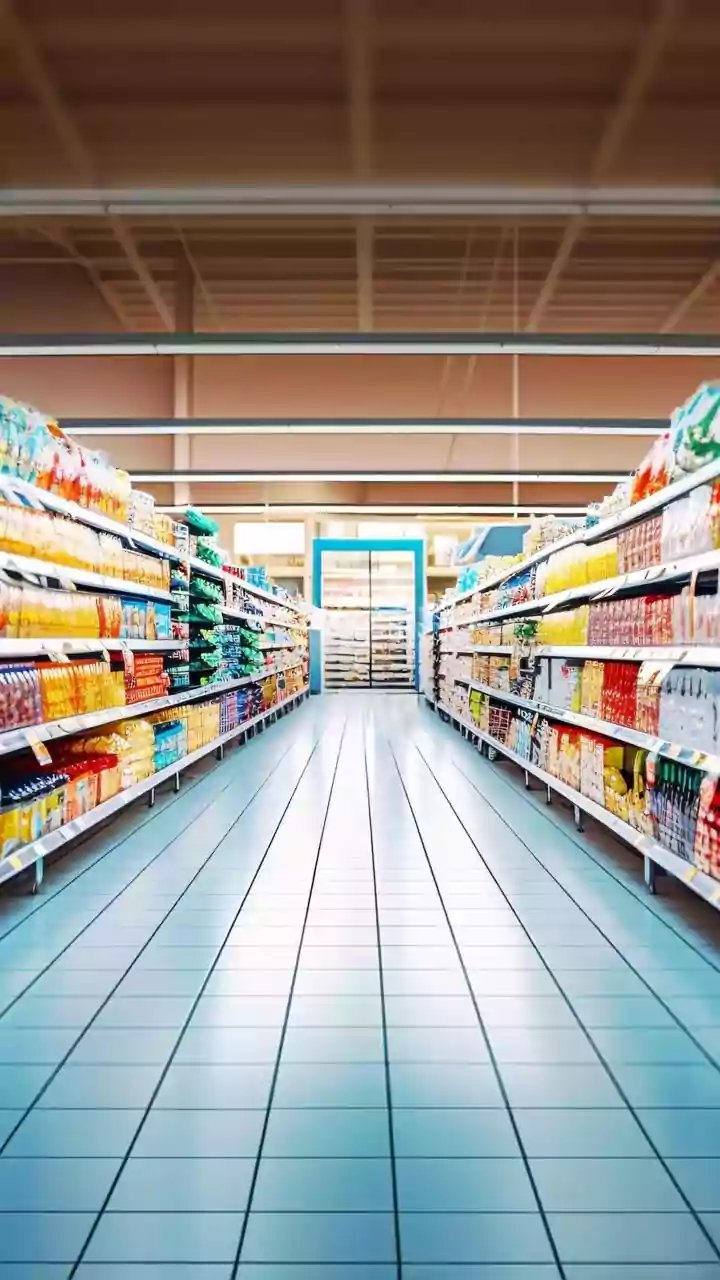
at-a-glance summary. These labels can use symbols, text, or colours to highlight key nutrients, particularly those linked to health risks when consumed in excess: sugar, salt, and certain fats. The idea is to empower consumers to make faster, more informed choices in the few seconds they spend deciding on a product in a busy supermarket aisle.
The Public Health Stakes
This debate isn't just about labels; it's about tackling a growing public health crisis. India is experiencing a rapid rise in non-communicable diseases (NCDs) like diabetes, hypertension, and heart disease. Studies have directly linked this trend to changing diets and increased consumption of ultra-processed foods, which are often high in sugar, salt, and unhealthy fats. Per capita sugar consumption, for example, has more than doubled in a decade. With an estimated 101 million people living with diabetes in India as of 2021 and 136 million with prediabetes, the need for public health interventions is urgent. Proponents argue that clear labelling is a crucial tool to help citizens manage these risks.
The Core Debate: Stars vs. Warnings
The heart of the conflict lies in what kind of label to use. On one side, many public health advocates and consumer groups are demanding simple, direct warning labels. These would be mandatory symbols, like a red hexagon proposed by the Food Safety and Standards Authority of India (FSSAI), that clearly state if a product is 'High in Sugar', 'High in Salt', or 'High in Fat'. The logic is that a direct warning is unambiguous and easy for everyone to understand, regardless of nutritional literacy. On the other side, many in the food industry have favoured a 'Health Star Rating' system. This model rates a product's overall nutritional profile on a scale, for instance, from half a star to five stars. Critics of this system argue that it can be misleading, as companies could potentially add small amounts of healthy ingredients like fibre or protein to get a higher star rating for a product that is still fundamentally high in sugar or fat.
A Long and Winding Road
The journey toward FOPL in India has been long and fraught with delays. The FSSAI has been discussing these regulations since at least 2018. Various drafts have been proposed and debated, with significant pushback from large food and beverage corporations who have argued that warning labels are confusing and that portion control should be the focus. The debate has now reached the Supreme Court, which has repeatedly pulled up the FSSAI for the delays and has emphasised that food safety is a matter of "national interest". In recent court filings in August and September 2026, the FSSAI has officially proposed a phased rollout of red hexagonal warning labels, marking a significant shift in its position.
What It Means for Your Shopping Cart
If implemented, these changes could dramatically alter the look of supermarket shelves. Imagine picking up two different brands of instant noodles. One might carry a prominent red hexagon warning of 'High Salt', while the other, having been reformulated by its manufacturer to reduce sodium, does not. That simple visual cue could influence your choice far more effectively than trying to compare milligram values on the back of the pack. The FSSAI's latest proposal suggests a two-phase implementation. Phase I would apply warnings to products high in two or more concerning nutrients (e.g., high in both sugar and fat), while Phase II would extend it to products high in even one. However, public health advocates have raised concerns that this phased approach could create a loophole, allowing a product that is extremely high in sugar, but not fat or salt, to escape a warning label for an unspecified period.