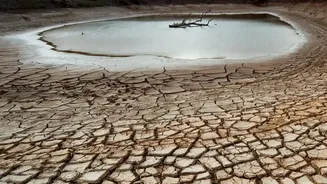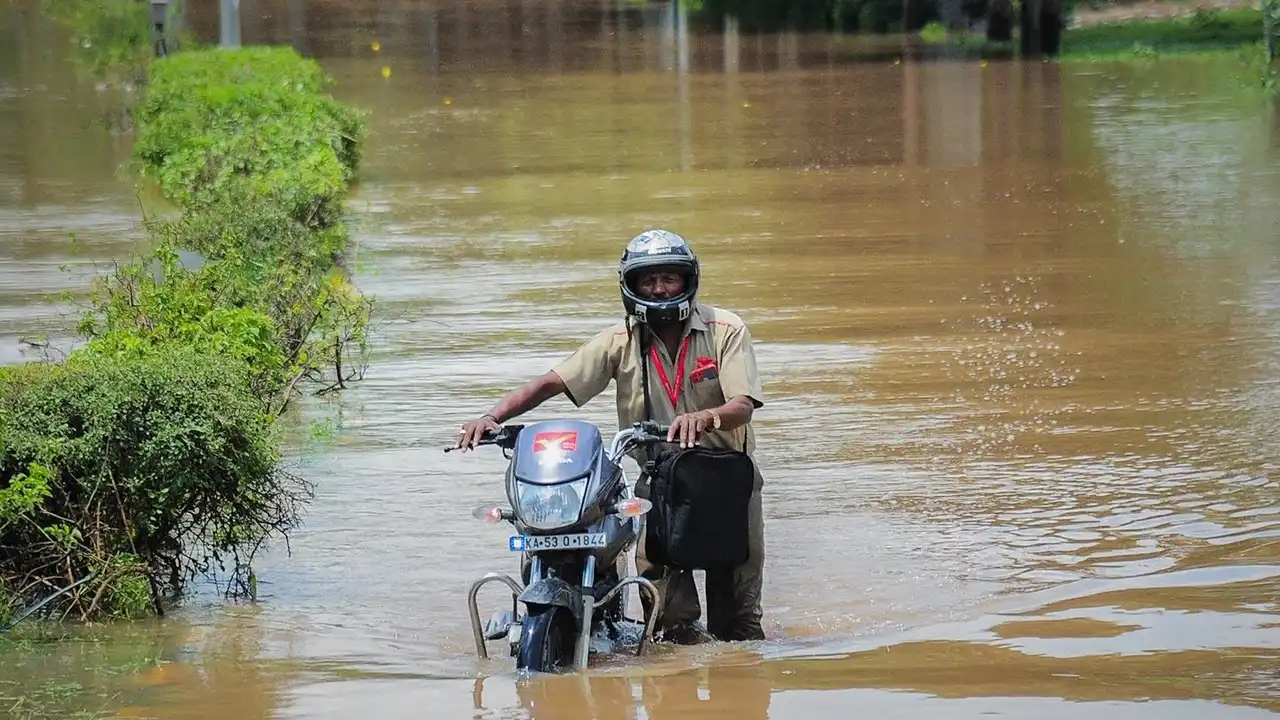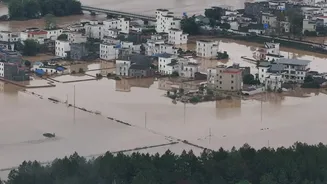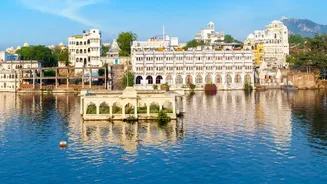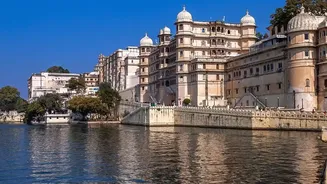

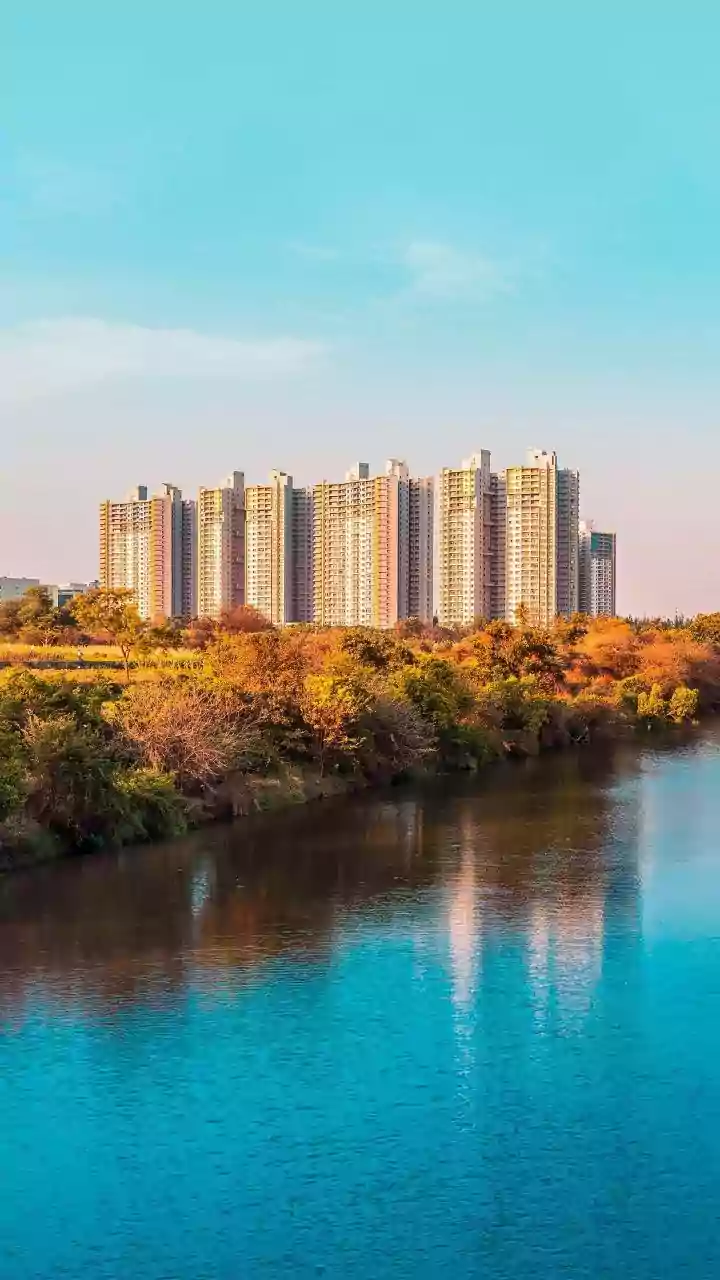
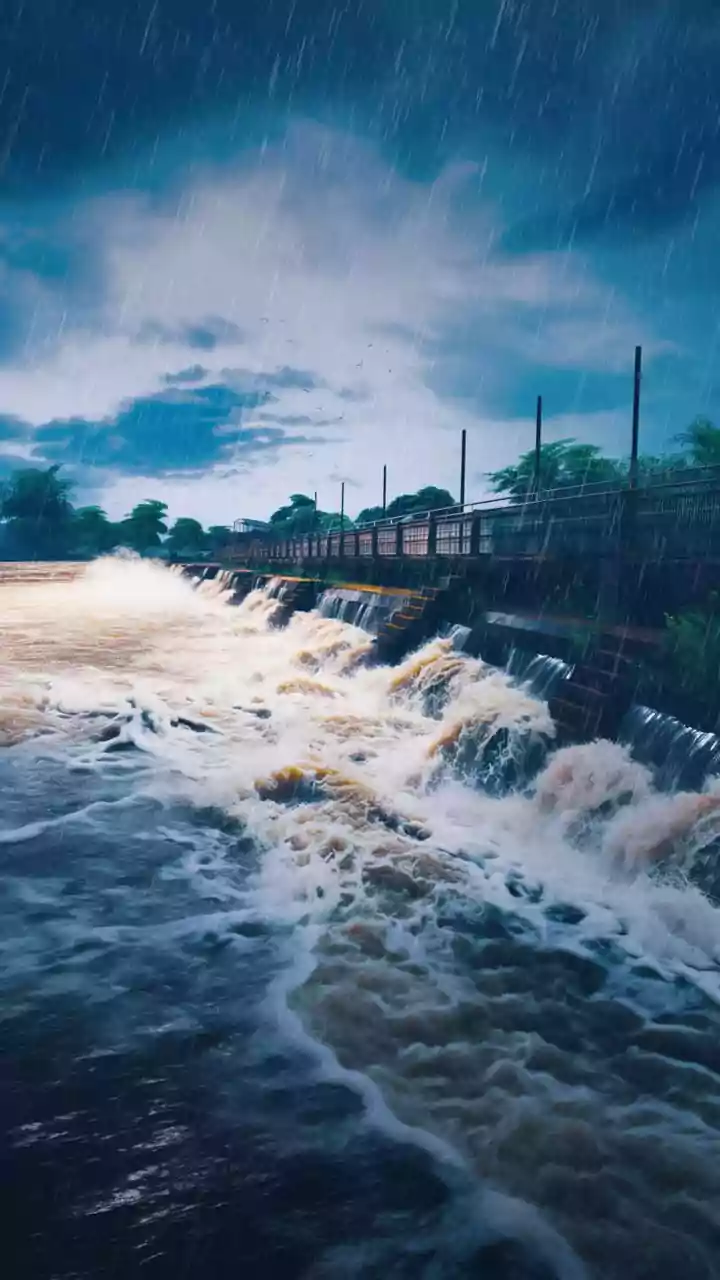



India’s cities are rapidly losing their lakes, ponds, and wetlands to unchecked construction and pollution. This isn't just an environmental loss; it's a direct threat to urban survival, causing devastating floods and severe water shortages.
Our Cities are Thirsty and Flooded
The story
is the same across India's metros. Bengaluru, once celebrated as the 'City of Lakes', has lost nearly 80% of its water bodies over the last few decades. Hyderabad's lakes are routinely choked by construction debris and sewage, turning them into toxic cesspools awaiting real estate conversion. This rampant disappearance, known as encroachment, happens when lakes are illegally filled in for buildings, roads, and garbage dumps. The consequences are dire and increasingly visible. When heavy rains arrive, these ghost lakes can no longer act as natural sponges. The result is catastrophic urban flooding, as seen in Chennai in 2015 and Hyderabad in 2020, where the loss of water bodies worsened the deluge. At the same time, the disappearance of lakes prevents the recharging of groundwater, pushing cities toward acute water scarcity.
When Laws Aren't Enough
On paper, India has laws to protect its water bodies. The National Green Tribunal (NGT), a specialised environmental court, has passed landmark judgments, including mandating 'buffer zones'—no-construction areas—around lakes. In a notable case concerning Bengaluru's Bellandur lake, the NGT imposed a 75-metre buffer zone and hefty fines on developers for violations. The Wetlands (Conservation and Management) Rules and various state-level acts also exist to prevent encroachment. However, these regulations often fail on the ground. Enforcement is weak, and a nexus between developers and politicians can lead to violations being overlooked. Sometimes, regulations are even diluted; Karnataka's government, for example, passed an amendment in 2025 to reduce buffer zones, a move that environmentalists warned would legalise reckless construction. This demonstrates that top-down regulations alone are often insufficient to protect these vital urban ecosystems.
The Power of Vigilant Communities
Where governments falter, communities are stepping up. Across the country, citizen-led initiatives are proving to be a powerful force for lake revival. In Bengaluru, groups like 'Friends of Lakes' and Bhumi have organised massive clean-up drives, removing tonnes of garbage and raising awareness among local residents. These groups act as watchdogs, filing public interest litigations (PILs), monitoring water quality, and working with local authorities to stop sewage inflow and remove encroachments. The revival of Jakkur lake in Bengaluru is a prime example of a successful community effort, where an integrated wetland ecosystem was created to naturally treat wastewater. In Gurugram, the Sustainable Environment and Ecological Development Society (SEEDS) transformed the polluted Wazirabad and Jharsa lakes into vibrant community spaces by involving residents in the planning and monitoring process.
A Two-Pronged Solution for Survival
The most successful lake restoration stories reveal a clear pattern: success happens when strict regulations are backed by strong community participation. Regulations provide the legal teeth to penalise polluters and remove large-scale encroachments, applying principles like 'polluter pays'. They set the framework that empowers authorities to act decisively. However, without vigilant citizens on the ground, these laws can be easily ignored. Communities provide the constant oversight that overstrecthed government agencies often cannot. They build a sense of ownership, transforming neglected water bodies into cherished local assets. This synergy is critical. A government that enforces buffer zones and sewage treatment mandates, combined with a community that organises cleanups and reports violations, creates a formidable defence against urban lake degradation.