



The Jewel of the Dang Forest
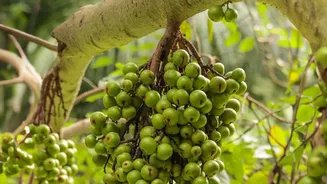
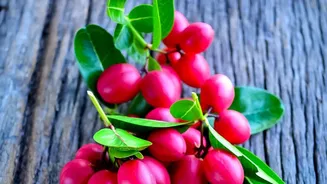
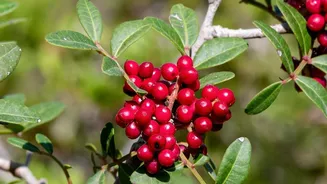
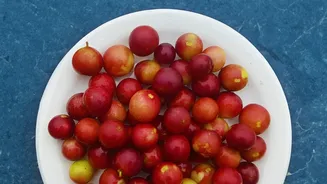
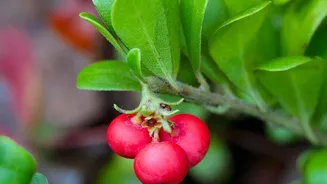
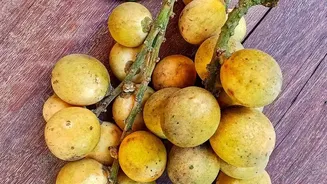
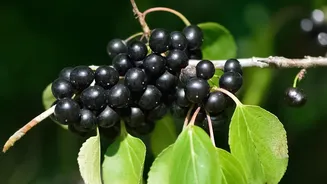
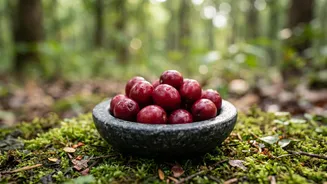
Often affectionately called the 'apple of the forests', the wild beri is a fruit that thrives without human intervention. Botanically known as Ziziphus nummularia, it is a small, thorny shrub that produces an abundance of reddish-orange berries during
the winter. Unlike its cultivated cousin, the Indian jujube (ber), this wild variety is smaller and has a distinctively sharp, sweet-and-sour taste. It flourishes in the harsh climatic conditions of the region, dotting the arid landscape with vibrant colour and offering a seasonal delicacy that is eagerly anticipated by local communities.
A Forest Unlike Any Other
The Karauli district is part of Rajasthan's 'Dang' area, a term used for the rugged, hilly terrain dominated by forests and ravines. This landscape, part of the Flood Prone Eastern Plain Zone, presents a unique ecosystem. While agriculture in the region is heavily dependent on monsoon rains, the native flora, like the wild beri, is perfectly adapted to survive. These hardy shrubs grow on their own, requiring no irrigation or fertilisers, a testament to nature's resilience. The forests here are a complex ecosystem, featuring sacred groves and a rich diversity of medicinal plants that have been part of traditional knowledge for generations.
A Harvest by Hand
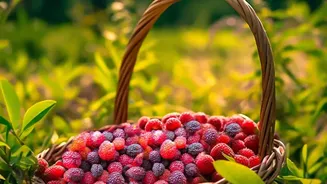
The collection of wild beri is an important seasonal activity for the communities living in and around the Dang forest. Elders in the region recount how this fruit has sustained both humans and animals through lean winters for centuries. The harvest is done by hand, a practice that connects the people directly to their natural heritage. For many families, selling these berries in local markets provides a crucial source of supplementary income in an economy that is largely agrarian. The sight of vendors selling mounds of fresh, tangy beri is a common and cherished feature of the winter season in this part of Rajasthan.
More Than Just a Fruit
The wild beri is a powerhouse of nutrition and has a deep-rooted place in local culture. It is exceptionally rich in Vitamin C, fibre, and antioxidants, making it a natural immunity booster. Its tangy flavour makes it a favourite for fresh snacking, but it is also used to make pickles (achaar), chutneys, and dried powders. In traditional and Ayurvedic medicine, various parts of the Ziziphus nummularia plant are used for their therapeutic properties, including treating digestive issues, skin ailments, coughs, and colds. The fruit also holds mythological significance, often linked to the story of Mata Shabari's offering to Lord Ram, symbolising pure and simple devotion.
Preserving a Natural Heritage
The wild beri is more than just a source of food and income; it is an integral part of the region's biodiversity. The berries are a key food source for birds and other wildlife, playing a role in the delicate ecological balance. However, this natural heritage faces challenges. Like many forest areas, the Dang region is susceptible to environmental pressures. The preservation of these forests is crucial for the survival of native species like the wild beri and for the continuation of the traditional lifestyles that depend on them. Appreciating and promoting sustainable use of such wild produce helps ensure that these natural treasures can be enjoyed by generations to come.