



In the high-stakes world of Brazilian politics, the final weeks of a presidential campaign became a digital battlefield. The weapon of choice? WhatsApp. Here’s the story of how Luiz Inácio Lula da Silva’s team built a massive online army.
The Digital Town Square
In Brazil, WhatsApp
is more than just a messaging app; it's an essential part of daily life and the primary forum for political debate. With its widespread use across all demographics, it has become the most critical communication channel for any political campaign. Jair Bolsonaro's successful 2018 bid for the presidency was a masterclass in using the platform for political mobilization, largely catching his opponents off guard. His campaign relied heavily on bulk messaging and a vast, decentralized network of supporter groups to spread his message, a strategy that the left struggled to counter. This set the stage for the 2022 election, where Lula’s campaign knew it couldn't afford to lose the digital war again. The challenge was not just to participate, but to innovate and dominate in a space where their opponents had literally written the playbook.
Lula's Digital General
The turning point for Lula's digital strategy came from an unlikely source: Congressman André Janones. Recognizing the campaign's lagging digital presence, especially after a disappointing first-round result, Janones took matters into his own hands. He created a WhatsApp channel called 'Exército do Lula', or 'Lula's Army'. What started with a modest 60,000 followers exploded in the final three weeks of the campaign to include nearly 11 million subscribers. This phenomenal growth was not entirely organic; it was the result of a deliberate and aggressive strategy. Janones, whom Lula would later call 'our general', used his own significant social media following to drive people to the channel, effectively transferring his audience to the new platform.
A New Kind of Ground Game
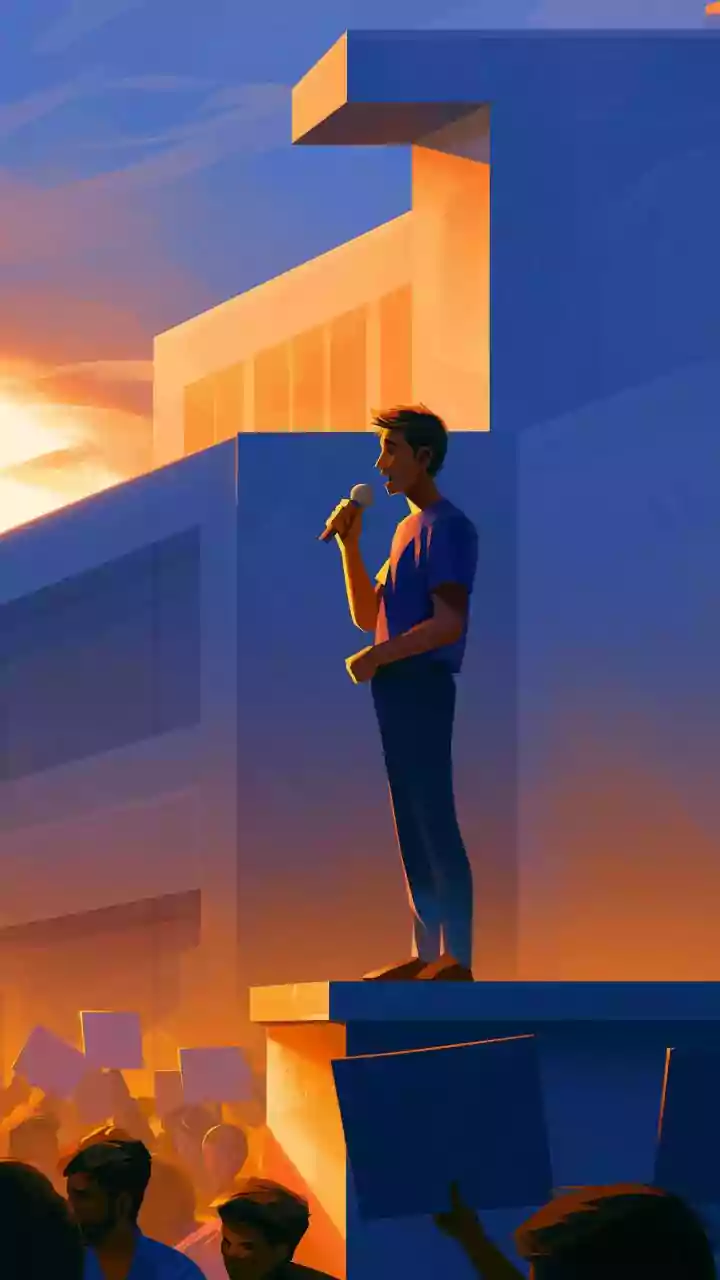
The strategy behind 'Lula's Army' was a form of 'electoral gamification'. Janones issued daily 'missions' to his millions of 'soldiers'. These tasks were simple but effective: share specific campaign videos, promote pro-Lula hashtags, recruit new members, and engage with content to boost its visibility in social media algorithms. Urgent, military-style messages, often in all caps and starting with 'ATTENTION!', created a sense of purpose and collective action. One highly successful mission involved having supporters reclaim the yellow Brazilian football jersey—a symbol co-opted by the right—by posting photos of themselves wearing it while making an 'L' for Lula. This approach gave supporters tangible tasks, making them feel like active participants in the campaign rather than passive observers.
Fighting Fire with Fire
A key function of this network was to act as a rapid response system against misinformation, which was rampant during the campaign. While Bolsonaro's 2018 campaign was criticized for spreading false news, Lula's 2022 digital army focused on pushing back. Janones instructed his followers on how to interact—and crucially, when not to interact—with opposition content to avoid amplifying it. The channel disseminated fact checks, positive messaging about Lula, and coordinated responses to attacks. For example, when Bolsonaro mocked Lula for having a missing finger, the network quickly turned it into a symbol of solidarity with the working class, promoting the hashtag #SomosTodos9Dedos ('We Are All Nine Fingers'). This agility allowed Lula's campaign to control narratives and counter the right's traditionally dominant digital machine.
The Undeniable Impact
While it is impossible to say for certain that the WhatsApp channel singlehandedly won Lula the election, its impact was undeniable. The rapid mobilization energized a base that was demoralized after the first round of voting and helped bridge the digital gap with the Bolsonaro campaign. Lula himself acknowledged the strategy s importance, overhauling his own digital approach in the final weeks and even getting his first smartphone. The success of 'Lula s Army' demonstrated that the left could effectively compete in the digital arena. It blended the urgency of online mobilization with real world action, creating a powerful synergy between the 'streets and networks'. Political analysts agree that this digital surge, combined with a renewed focus on grassroots campaigning, played a pivotal role in one of the most remarkable comebacks in Brazilian political history.