


A New Stop on the Backpacker Trail
For decades, the quintessential backpacker journey involved well-trodden paths through Europe or Southeast Asia. But a new trend is emerging, driven by a generation eager for unique, crowd-free experiences. Uzbekistan, a Central Asian nation rich in history,
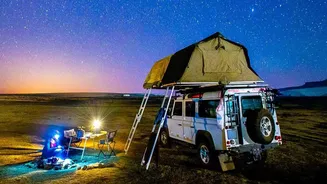
is rapidly becoming a hotspot for Gen Z travellers. Research shows that younger travellers are increasingly skipping traditional destinations in favour of 'off-the-beaten-path' locations that promise authentic cultural immersion and transformative adventures. Tour operators have taken notice, with companies like G Adventures reporting a significant increase in bookings for the region and launching new trips specifically targeting younger explorers. This shift isn't just about seeking novelty; it's a deliberate move towards destinations that feel both historically significant and refreshingly new.
The Visa and Flight Catalysts
While the allure of the Silk Road is timeless, practical changes have unlocked Uzbekistan for the masses. A major catalyst was the country's visa liberalisation policy, which now allows citizens of India and many other nations to enter with a simple e-visa or on a visa-free basis for up to 30 days. This removal of bureaucratic hurdles has made spontaneous trips far more feasible. Compounding this is the increased availability of affordable flights. Major hubs now offer competitive fares to Tashkent, Samarkand, and Bukhara, putting the destination within reach of a budget-conscious backpacker. The combination of easy access and lower travel costs has created the perfect entry point for a new wave of tourism.
Samarkand: History Through a Modern Lens
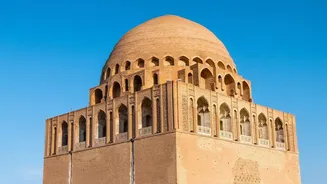
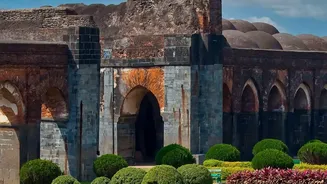
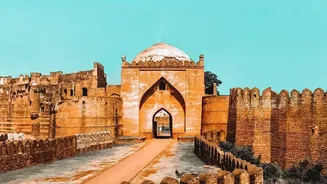
At the heart of this trend is Samarkand, a city whose name evokes legendary tales of trade and conquest. For today's travellers, it offers a visual feast that is perfectly suited for the social media age. The majestic Registan square, with its three grand madrasas adorned in intricate blue tiles, provides a stunning backdrop that has captivated millions online. Beyond the main square, the city is a treasure trove of architectural wonders, from the Shah-i-Zinda necropolis to the grand Bibi-Khanym Mosque. The appeal lies in its authenticity; these are not modern replicas but living history. For Gen Z, a generation that values unique aesthetics and powerful storytelling, Samarkand's ancient architecture provides the ultimate content, fuelling a cycle of digital discovery and real-world travel.
Affordability Beyond the Airfare
The low cost of flights is just the beginning. Once on the ground, Uzbekistan proves to be an exceptionally budget-friendly destination. Backpackers report daily expenses as low as ₹1,500-₹2,500, covering accommodation, food, and transport. A dorm bed in a clean, well-regarded hostel can cost as little as ₹600-₹800 per night, while a hearty meal of plov, the national dish, can be found for just a couple of hundred rupees. The country has also invested heavily in modern infrastructure, including the 'Afrosiyob' high-speed train that connects major cities like Tashkent and Samarkand in just over two hours, making travel between historic sites both efficient and cheap. This high value for money allows young travellers to extend their stays and explore more deeply without breaking the bank.
The Quest for Authentic Experiences
Perhaps the most significant driver of this trend is Gen Z's search for authenticity. In a world of curated digital perfection, Uzbekistan offers something raw and real. It's a destination where travellers can wander through bustling bazaars that have operated for centuries, sip tea in courtyards that once hosted Silk Road merchants, and interact with locals in a setting that hasn't been overly commercialised. This desire for meaningful connection and discovery is a hallmark of the modern young traveller. Uzbekistan's rise is a testament to a broader shift in travel priorities, where the goal is no longer just to see a place, but to experience it in a way that feels genuine and personal.