
The Soul of Rustic Charm
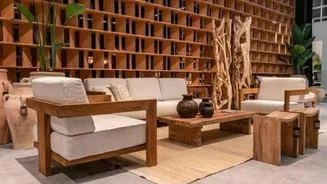
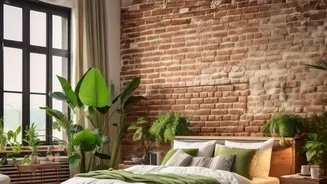
Classic rustic decor is about creating a comfortable, unpretentious, and inviting atmosphere. It pulls inspiration from nature and a simpler time, prioritizing natural materials, texture, and handcrafted beauty. The style embraces imperfections like raw
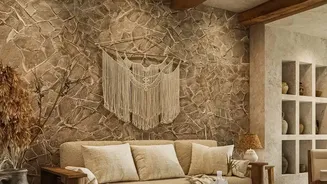
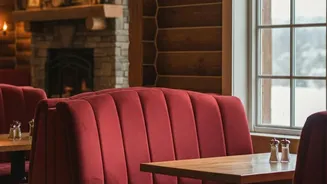
wood grain and celebrates the history of repurposed items. Central to this aesthetic is the use of wood and stone, creating an earthy, grounded feeling. The colour palette is often drawn from nature, featuring warm, earthy tones like browns, greens, and creamy whites. In this setting, exposed wooden beams are not just an add-on; they are a foundational element that establishes the room's character and connection to the past.
From Function to Feature
Exposed beams have a long history, originating as a purely functional part of a building's structure. In timber-frame or post-and-beam construction, large timbers were necessary to support the weight of roofs and upper floors. This method of building dates back centuries, with examples still standing from the Middle Ages. Over time, as construction methods changed, these structural supports were often hidden behind ceilings. However, the visual appeal of these heavy timbers never faded. Today, what was once a structural necessity is now a celebrated decorative feature, intentionally added to evoke a sense of history, strength, and craftsmanship.
Finding Your Style: Real vs. Faux
When deciding to incorporate beams, the first choice is between real and faux options. Real wood beams, often made from oak, pine, or reclaimed timber, offer unparalleled authenticity and character. They can be solid wood, which is heavy and can be structural, or hollow box beams. The downside is their weight, cost, and the need for professional installation. Faux beams, typically made from lightweight, high-density polyurethane, are a popular alternative. They are molded from real wood to capture authentic grain and texture but are a fraction of the cost and weight, making installation much simpler. Faux beams are also resistant to warping, cracking, and pests, offering a low-maintenance solution without sacrificing the rustic look.
Designing with Beams
Exposed beams are incredibly versatile and can be used to great effect in almost any room. In living rooms, they add a cozy, inviting feel and can be used to frame a fireplace or define a seating area. In kitchens, they can run parallel to cabinetry or be placed over an island to create a charming farmhouse look. High or vaulted ceilings are a natural fit for beams, as they draw the eye upward and add architectural interest without making the space feel smaller. You can also get creative with patterns; while parallel beams are classic, grid-like coffered patterns or dramatic trusses can make a powerful statement. The finish matters, too. Dark stains create a dramatic contrast, while light-washed or natural finishes can create a brighter, more modern rustic or coastal feel.
Modern and Industrial Interpretations
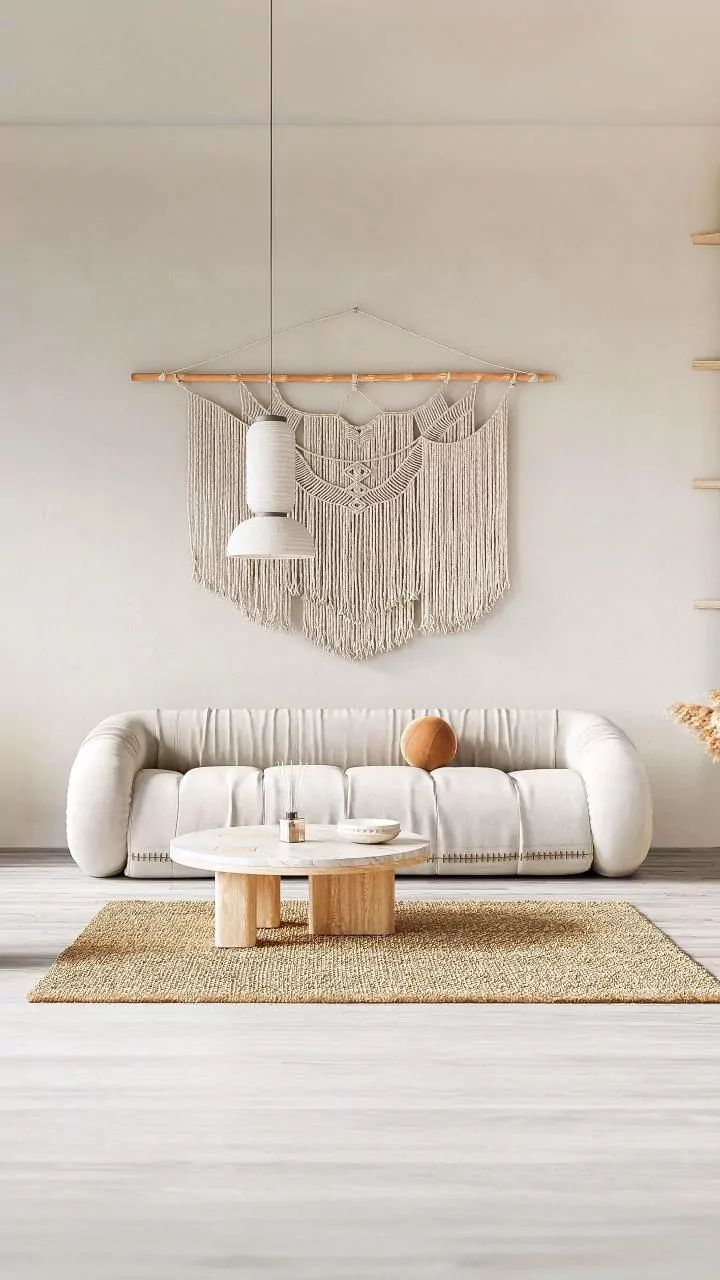
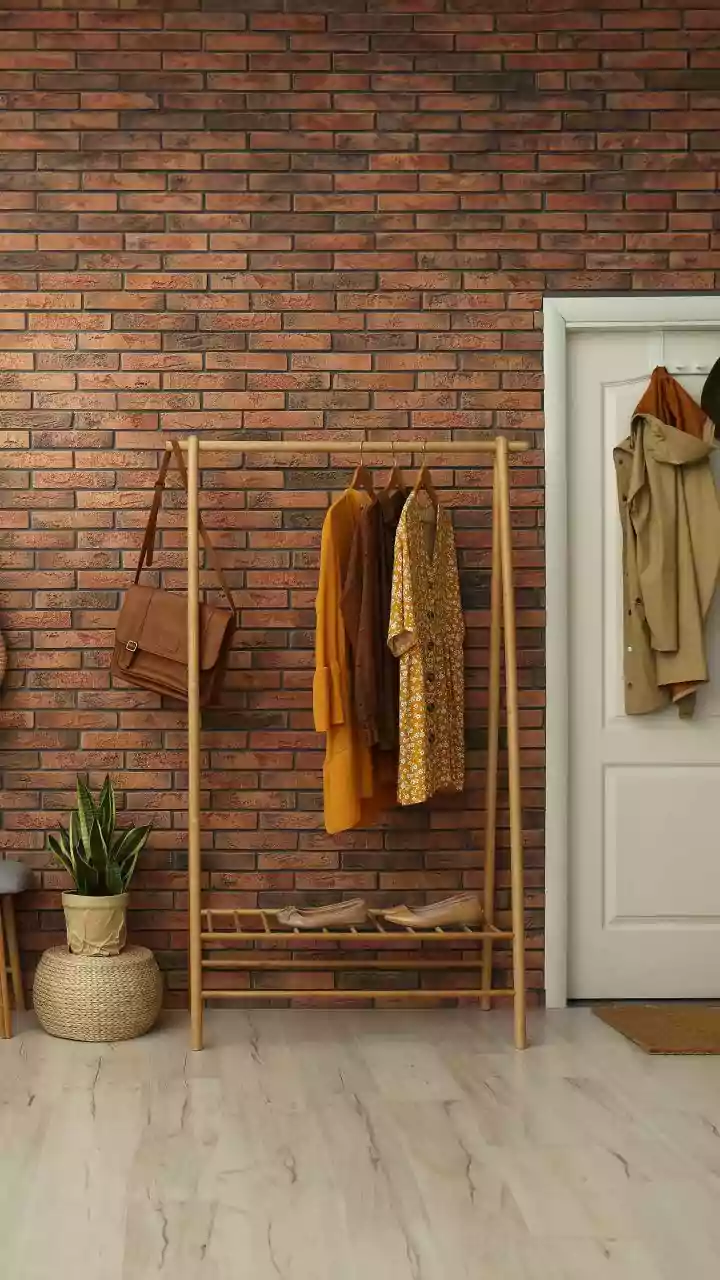
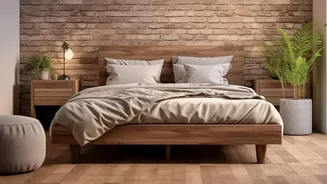
While deeply rooted in rustic and traditional styles, exposed beams are not limited to them. In modern minimalist homes, a single, clean-lined beam can add warmth and texture without cluttering the space. The contrast between a rugged wood beam and sleek, modern furnishings can be particularly striking. In industrial-style lofts, which often feature original exposed brick and ductwork, wooden beams fit right in, adding to the raw, urban aesthetic. They can even be painted bold colours like black or charcoal for a graphic, contemporary effect, proving their versatility across a wide spectrum of design styles.